
The Ghana Chamber of Mines has revealed that the country’s mining sector invested a substantial US$3.5 billion in locally sourced goods and services in 2024, marking a significant milestone in the industry’s contribution to the domestic economy.
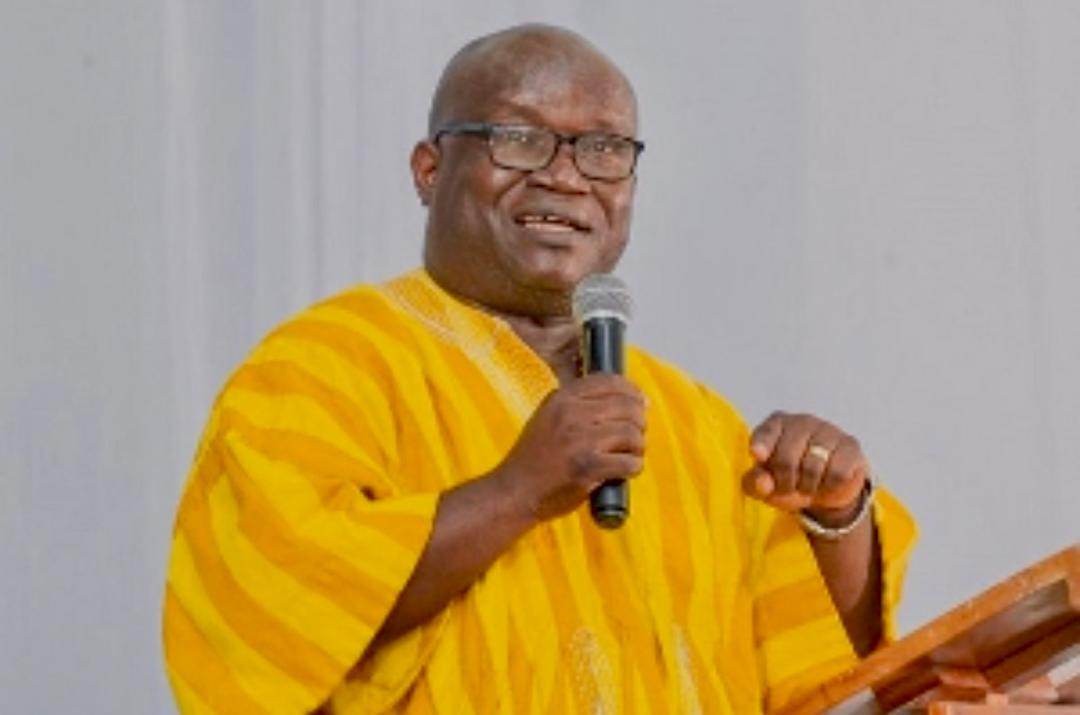
The announcement was made by the Chief Executive Officer of the Chamber, Ing. Dr. Kenneth Ashigbey, during his opening address at the 2025 Mining Industry Marketing Expo (MIME) held at the University of Mines and Technology (UMaT) in Tarkwa.
Dr. Ashigbey detailed that this expenditure, which includes costs for electricity and diesel, represents over 49% of total mineral revenue—a clear indicator of the mining sector’s deepening local roots. This financial injection was part of a broader GHS17.68 billion paid in taxes and levies, alongside over US$28 million in corporate social investments.
“The trajectory is unmistakable: Ghana is buying more from Ghana,” Dr. Ashigbey stated on November 12, tracing a consistent upward climb in local procurement from US$1.89 billion in 2021 to the US$2.4–2.5 billion range in 2023, before the significant leap to US$3.5 billion last year.
He credited this growth to a deliberate policy framework, specifically the Minerals Commission’s Local Content and Local Participation Regulations (L.I. 2431) and its annually updated Local Procurement List, which now reserves over fifty items for Ghanaian businesses.
However, the Chamber CEO issued a powerful call to move beyond mere procurement to full-scale industrialization.
“Buying bolts and overalls locally is a start; building the factories and technical capabilities to manufacture those bolts and stitch those overalls at scale… is the destination,” he asserted.
“We must use mining demand as the engine for industrialisation, not just distribution.”
To achieve this, Dr. Ashigbey outlined a three-pillar strategy for action:
1. Scale Ghanaian Manufacturing: Target high-value components like steel fabrication, valves, and chemical reagents, and build consortia involving local entrepreneurs, global technology holders, and financiers.
2. Enhance Finance and Standards: Ensure local firms have access to “patient capital” and robust standards infrastructure, including testing labs and quality certifications, to compete for major manufacturing contracts.
3. Develop Skills and After-Market Services: Partner with academic institutions like UMaT to expand technical training and technology transfer, making Ghana a hub for advanced equipment maintenance and rebuilds for the sub-region.
Highlighting the sector’s macro-economic impact, Dr. Ashigbey also disclosed that mining members repatriated approximately US$4.99 billion through the Bank of Ghana and commercial banks in 2024.
Furthermore, they sold 358,218 ounces of gold directly to the central bank to bolster the national reserves.
The MIME 2025 expo, organized by the Chamber, serves as a platform to connect mining companies with local suppliers. Dr. Ashigbey concluded by reaffirming the Chamber’s commitment to collaborating with all partners to “convert policy into factories, contracts into careers, and mineral revenue into made-in-Ghana industrial strength.”