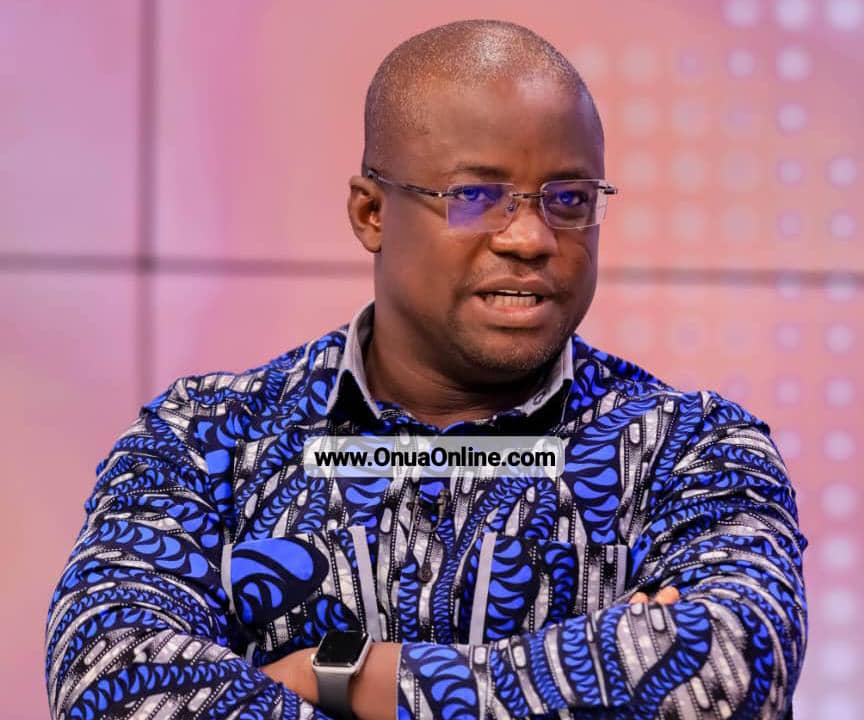

Policy analyst and senior lecturer, Dr. Joshua Zaato, says Ghana must take accountability seriously, both during and after political administrations, if the country wants to strengthen its democracy and prevent future scandals.
Speaking on the KeyPoints on November 29 on recent controversies involving the Office of the Special Prosecutor (OSP) and the ongoing SML-related case, Dr. Zaato stressed that public office holders must always anticipate a day of reckoning.
He explained that accountability should never depend on which government is in power, adding that any regime has the right to hold previous office holders responsible for their actions, as long as their basic rights are protected.
“Anyone who takes an oath of office must know that a day will come when they take another oath to account for their actions,” he said.
“Accountability is a constant in democracy, and powerful people must be held to account whether in office or out of office,” Dr Zaato stressed.
Dr. Zaato repeated his long-standing position that the current structure of the OSP has outlived its usefulness.
He argued that the country invests significant resources in the office but receives little in return.
“If you do a simple value-for-money analysis, Ghana is making a loss. We should scrap the office and channel the funds into things citizens actually feel—roads, markets, buffer stock, and support for farmers,” he stated.
According to him, the country can gain more by redirecting those funds to developmental needs rather than sustaining an institution he believes is no longer delivering its intended impact.
On claims of lack of cooperation between the OSP and other state agencies like the CID, NIB, National Security and Immigration, Dr. Zaato said effective inter-agency work relies heavily on trust and mutual respect.
He argued that cooperation is not automatic, and agencies respond better when leadership models strong relationships and professionalism.
“Cooperation is earned, like respect. If you have good relationships and good leadership, officers will put everything down and help you immediately. If they don’t trust you, they will delay you,” he noted.
He expressed concern that both sides appear to be complaining about cooperation challenges, which points to deeper structural issues within the OSP.
He warned against turning the matter into “a shouting match,” insisting the judiciary is the best place to determine what truly happened.