
The United Nations Programme on HIV/AIDS (UNAIDS) is calling on African leaders to ramp up efforts to strengthen and sustain national HIV responses.
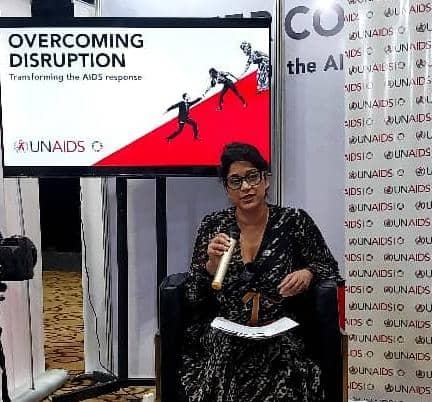
Speaking on the sidelines of the ongoing International Conference on AIDS and STIs in Africa, ICASA, in Accra, UNAIDS Deputy Executive Director, Angeli Achrekar, stressed that the fight against HIV is far from over.
Madam Achrekar revealed that more than 1.3 million adolescents globally were newly infected with HIV, a figure she describes as alarming and indicative of widening gaps that must be urgently closed.
She warned that a significant decline in financial support is placing immense pressure on HIV programmes, creating what she called “profound challenges” for countries already struggling to sustain progress.
While 15 countries, including Botswana and Rwanda have achieved the global 95-95-95 HIV treatment targets, UNAIDS says these gains remain fragile and could easily be reversed without sustained investment.
She commended the progress made so far but urged African governments to commit to health sovereignty, backed by real, reliable domestic funding, to ensure long-term success in combating the pandemic.
“African leaders must invest in the right interventions for their people. They must not use the law to discriminate against persons living with HIV and must encourage community led interventions. There is a massive drop in support globally bringing to bare profound challenges and a difficult time now in the fight against the pandemic. Every country’s government must have sustainable roadmap to address the gaps. They must move quickly and urgently to close the gaps,’’ she said.
Over 9 million people are still in need of treatment globally, while according to the WHO globally over 40million people were living with HIV at the end of 2024.