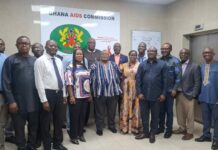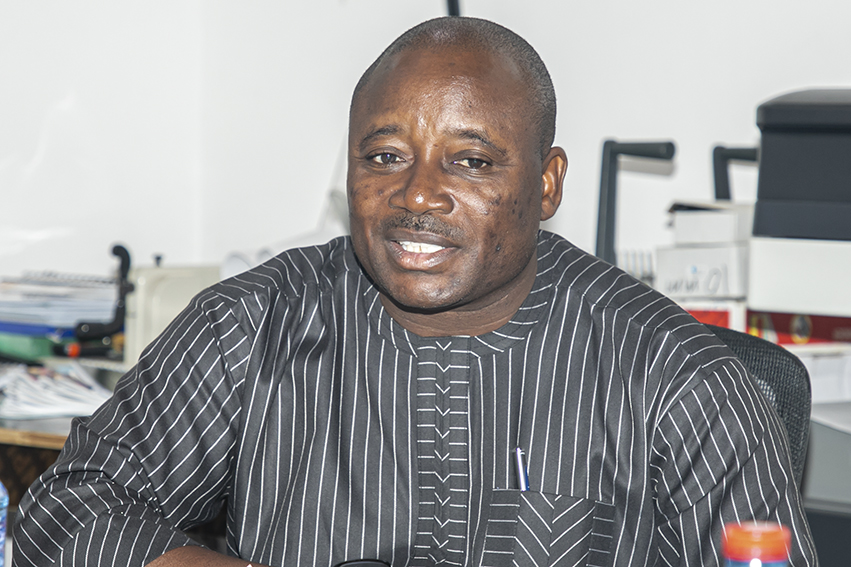

The Director-General of the Ghana AIDS Commission, Dr, Prosper Akanbong says his outfit is putting in place interventions to address the gaps hindering the country’s efforts at achieving the 95-95-95 target.
The country is struggling to meet the UNAIDS 95-95-95 targets, which aim for 95% of people living with HIV to know their status, 95% of those diagnosed to be on treatment, and 95% of those on treatment to achieve viral suppression by 2025.
The World Health Organization’s goal to end AIDS by 2030 is facing fresh uncertainty, as new data shows that although progress has been made, new infections remain high with only five years left on the calendar.
These concerns will take center stage at the 23rd International Conference on HIV/AIDS and STIs in Africa (ICASA) set to open in Ghana on Wednesday, December 3.

WHO reports that 26 million people in Africa are currently living with HIV, with women and girls accounting for 63 percent of infections. The region also recorded 380,000 AIDS-related deaths last year.
At the official opening of the conference on December 2, the Dr Akanbong outlined interventions being looked at to address the gaps.
“Our first 95, we are only at 68, the 2nd, we are at 69 and the 3rd 95 we are at 90. So, it’s the only one that we have made progress which is those on treatment and achieving viral suppression. So, this means we are not doing well. Stigma remains a major challenge which is affecting people coming out to seek treatment. We are working on it.’’ He said.
WHO says it is hopeful the conference will inspire transformative interventions and stronger collaboration among member countries.
Dr Fiona Braka says the fight against the disease is at a pivotal moment that needs stakeholders to deliberate and work together and not in silos.
“We are at a pivotal moment in the fight against HIV, TB and Malaria. There are a number of dynamics going on around the financing, we have challenges around inequalities and stigma but at the same time we have made some progress. So, our expectation is that we are mainstreaming these interventions in an integrated manner in our primary healthcare systems. We are no longer going to work in silos.’’ She said.