
Stakeholders in Ghana’s education sector have renewed calls for adequate, equitable and innovative financing of public education to improve learning outcomes and reduce inequality.
The call was made at the 2025 Education Financing Conference, organised by Africa Education Watch (Eduwatch) in partnership with Oxfam and ActionAid Ghana, under the theme “Towards Adequate, Equitable and Innovative Financing of Public Education in Ghana for Quality and Equity.”
The conference focused on key education policies, an analysis of the 2026 education budget, TVET financing, and innovative education financing models.
Speaking on TVET financing analysis, Executive Director of Eduwatch, Kofi Asare, said the sub-sector remains underfunded despite its critical role in skills development and job creation.
“TVET is central to Ghana’s economic transformation, yet financing for the sub-sector remains inadequate and fragmented. If we are serious about youth employment, then TVET financing must be prioritised in the 2026 education budget,” he said.

He added that investment in modern training equipment, qualified instructors and industry-aligned programmes is essential to make TVET relevant to the labour market.
The Country Director of ActionAid Ghana, John Nkaw, raised concerns about equity in education financing, stressing that children from poor and marginalised communities continue to bear the brunt of funding gaps.
“Education financing must be pro-poor and gender-responsive. Without deliberate equity-focused investments, public education will continue to reproduce inequality rather than reduce it,” he stated.
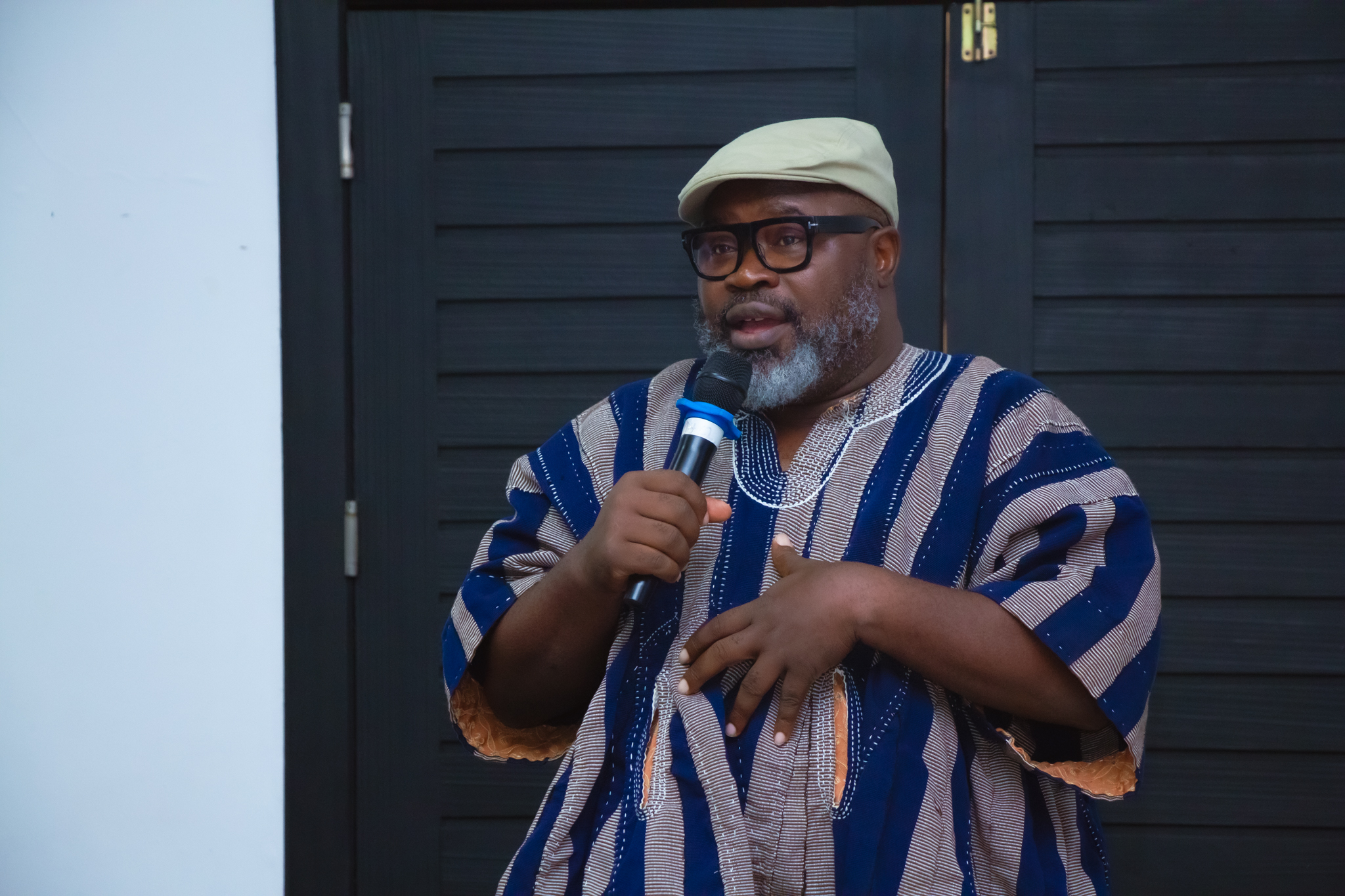
On innovative financing, Mussa Dankwa highlighted the role of Public-Private Partnerships (PPPs) in supporting government efforts to fund education sustainably.
“Government alone cannot shoulder the full cost of education financing. Strategic public-private partnerships can mobilise additional resources, improve infrastructure and enhance efficiency, particularly in TVET and basic education,” he noted.
Eduwatch Board Member, Madam Dorothy Konadu, emphasised the need for accountability and efficient use of education funds to achieve quality outcomes.

“Increasing allocations is important, but what matters most is how equitably and efficiently those resources are used. Accountability and transparency must be at the centre of education financing reforms,” she said.
Participants at the conference agreed that achieving quality and equitable education in Ghana will require strong political commitment, innovative financing approaches, and collaboration among government, civil society, development partners and the private sector.
Recommendations from the 2025 Education Financing Conference are expected to inform national policy debates ahead of the 2026 budget, with the goal of strengthening public education financing for improved quality and equity across Ghana.