The Chamber of Petroleum Consumers Ghana (COPEC) says it has observed the recent downward adjustments in pump prices by some Oil Marketing Companies (OMCs) within the current pricing window.
COPEC noted that these adjustments align with recent trends in international refined product prices, relative exchange rate stability, and intensified competition within Ghana’s deregulated downstream petroleum sector.
This is contained in a press release signed by its Executive Secretary, Duncan Amoah dated January 6.
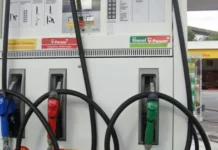
“An analysis of current pump prices indicates that petrol (Super) is selling at GH¢10.56 per litre at Star Oil, GH¢10.99 at GOIL, and GH¢11.68 at TotalEnergies, representing a 4.1% price difference between Star Oil and GOIL, and a 10.6% difference between Star Oil and TotalEnergies. Diesel prices currently range from GH¢11.56 at Star Oil, GH¢11.96 at GOIL, to GH¢12.38 at TotalEnergies, while premium petrol (RON 95) spans from GH¢12.96 at Star Oil to approximately GH¢13.97– GH¢13.98 at GOIL and TotalEnergies,” Mr Amoah wrote.
“In this regard, COPEC calls on OMCs that have not yet reviewed prices within the current window to do so promptly, ensuring pump prices reflect prevailing market conditions and serve the broader interest of consumers,” he stressed.
COPEC commended the Oil Marketing Companies that have proactively reduced prices at the pumps to reflect the dynamics on the international market.
“We further stress that fair and responsive fuel pricing is essential to alleviating financial pressures on households, transport operators, and businesses,” COPEC further stated.
It also urged commercial transport operators, including online ride -hailing services such as Bolt, Uber and Yango to begin reviewing and adjusting their fares to reflect the current reductions in Ex-Pump prices.
“Consumers must not be denied the benefit of price reductions when international and local market conditions become favourable. COPEC remains committed to monitoring fuel price movements across the various stations nationwide and will continue engaging stakeholders to promote responsiveness, transparency, fairness, and accountability in the downstream petroleum sector,” Mr Amoah noted.