
The government says it will take firm action against what it describes as rent-seeking behaviour by some businesses and service providers who refuse to reduce prices despite falling costs.
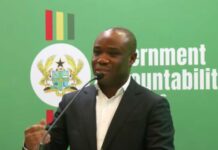
Minister for Government Communications, Felix Kwakye Ofosu speaking on the KeyPoints with TV3’s Alfred Ocansey, said some traders and transport operators are exploiting consumers by holding prices high even though key cost drivers such as fuel, gas, spare parts and import duties have declined.
“Some people take advantage of increases in exchange rates or taxes to raise prices, but when these factors drop, they refuse to reduce them,” he said on January 17.
According to him, falling import duties have resulted in significant cost savings across sectors, including vehicle imports, frozen chicken, cement and construction materials.
“If a car that would have cost you 119,000 cedis in duty last year now costs 85,000 cedis, what justification exists for increasing transport fares?” he questioned.
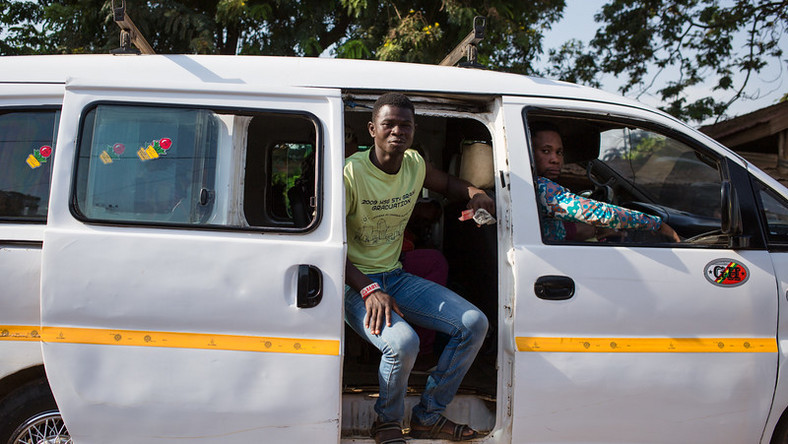
On transportation, the Minister disclosed that government has engaged transport unions to halt unjustified fare increases.
He said the Vice President recently met transport operators and made it clear that current economic conditions do not support higher fares.
“There is no justification for increasing transport fares. It is not illegal, but it is not acceptable,” he stated.
As part of measures to stabilise transport costs, government has deployed state-owned buses to increase supply and create competition.
“When public buses were introduced, private operators began to complain because passengers preferred the cheaper option. That is how competition drives prices down,” he explained.
Felix Kwakye Ofosu also addressed concerns about rent and housing affordability, describing it as a major pressure point for young people.
“Even though food prices have come down, rent remains a serious concern. Government must act because affordability is key,” he said.
He assured that the administration is prioritising infrastructure development, including roads, transport systems and housing, while adopting a phased approach.
“We cannot do everything at the same time. We focus on one priority, complete it, then move to the next,” he added.
By Christabel Treve