
The North East Regional Minister, Ibrahim Tia has cautioned that, development in the North East Region is under threat due to a combination of financial, administrative and infrastructural difficulties.
He emphasized the need for swift and decisive action to mitigate these challenges and ensure the region’s continued development.
The North East Region is struggling with a series of interconnected development challenges that demand immediate attention and strategic intervention.
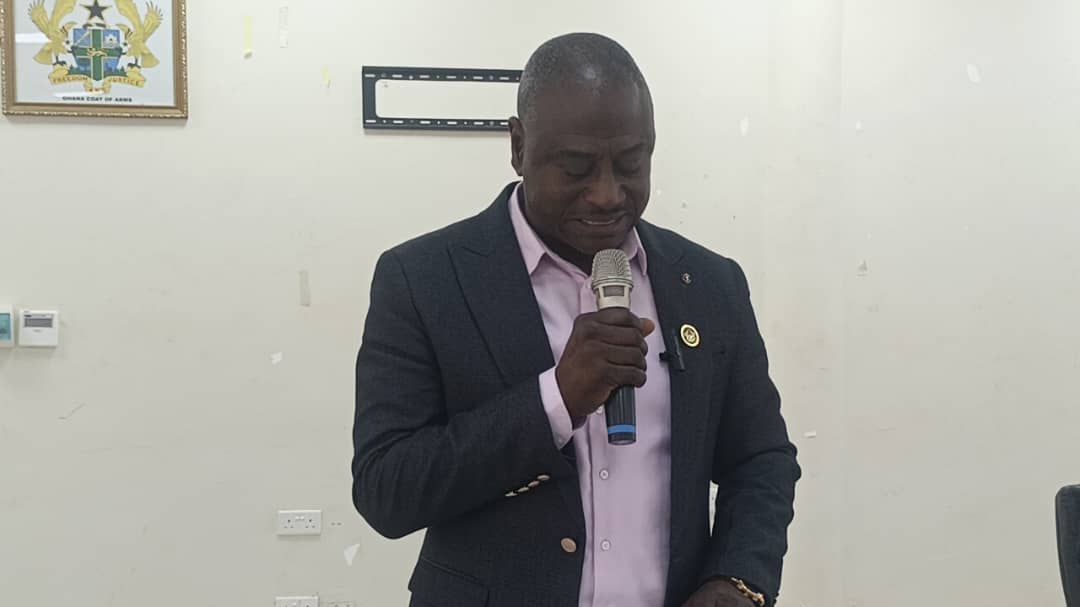
In a recent sessional address of the first ordinary meeting of the third session of the North East Regional Co-ordinating Council, Regional Minister, Ibrahim Tia painted a stark picture of the challenges facing the region, emphasizing the need for a renewed commitment to overcome revenue shortfalls, underperformance in district assessments and a substantial backlog of incomplete infrastructure projects.

One of the most significant impediments to development in the North East Region is the persistent underperformance of its Municipal and District Assemblies (MDAs) in generating internal revenue.
According to Mr Ibrahim Tia, as of September 2025, the MDAs had only managed to generate 60.46 percent of their projected internally generated funds. This is a considerable shortfall from a target of 75 percent and poses a serious threat to the ability to fund essential services and infrastructure projects.
The Minister explained that this revenue deficit not only limits the MDAs financial autonomy but also negatively impacts their eligibility for funding from the District Assemblies Common Fund (DACF) a crucial source of revenue for local development initiatives. The consequences of this financial strain are far-reaching affecting the provision of basic services such as healthcare, education and sanitation, as well as the implementation of critical infrastructure projects.
Adding to the region’s woes is its underperformance in the District Performance Assessment Tool (DPAT) a mechanism used to evaluate the effectiveness of local governance and allocate resources based on performance.
Minister Tia expressed concern that “the MDAs performance in the 2024 DPAT assessment was below expectations, resulting in reduced access to vital funding. This is simply unacceptable and we must take immediate steps to improve our performance.”
The Minister highlighted the importance of the District Development Data Platform (DDDP) as a tool for enhancing data management and improving performance in future assessments. He also acknowledged that many MDAs have been slow to adopt and utilize the platform effectively. Minister Tia warned that continued underperformance in the DPAT could have dire consequences for the region’s development prospects.
According to the Minister, the North East Region is burdened by a significant number of incomplete Legacy Projects initiated under the previous administration. These projects he says, include schools, clinics, roads and other essential infrastructure remain unfinished due to a combination of funding constraints, logistical challenges and administrative bottlenecks.
Minister Tia emphasized the importance of completing these projects, stating that “we are committed to prioritizing the completion of these Legacy Projects to ensure that the intended benefits reach the communities they are designed to serve. These projects represent a significant investment in our future and we cannot afford to let them languish unfinished.”
However, the Minister also acknowledged that the cost of completing these projects is substantial and that innovative financing mechanisms and efficient project management strategies are needed to overcome this challenge.

The Regional Minister called for a comprehensive and collaborative approach to address these multifaceted challenges. He emphasized the need for MDAs to strengthen their revenue mobilization efforts, improve their data management practices and prioritize the completion of ongoing infrastructure projects.
He also called for greater collaboration between government agencies, civil society organizations and the private sector to leverage resources and expertise for the benefit of the region.
“The challenges we face are significant, but they are not insurmountable” He stated. “By working together, with a shared sense of purpose and a commitment to excellence, we can overcome these obstacles and unlock the vast potential of the North East Region.” The region’s ability to address these critical issues will determine its future trajectory and the well-being of its citizens for generations to come.
Mr Tia acknowledged that ongoing conflicts, disputes and other destabilizing factors are significantly affecting the North East Region. He emphasized that these issues not only exacerbate existing financial, administrative and infrastructural challenges but also directly impede progress and development.
He made a strong call for peace, urging all stakeholders to prioritize dialogue, reconciliation and collaborative problem-solving to create a stable and conducive environment for growth and prosperity in the region. He stressed that lasting development can only be achieved in an atmosphere of peace and unity.
By Solomon Kwame Kanaluwe