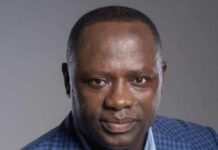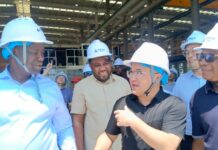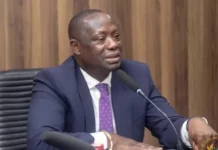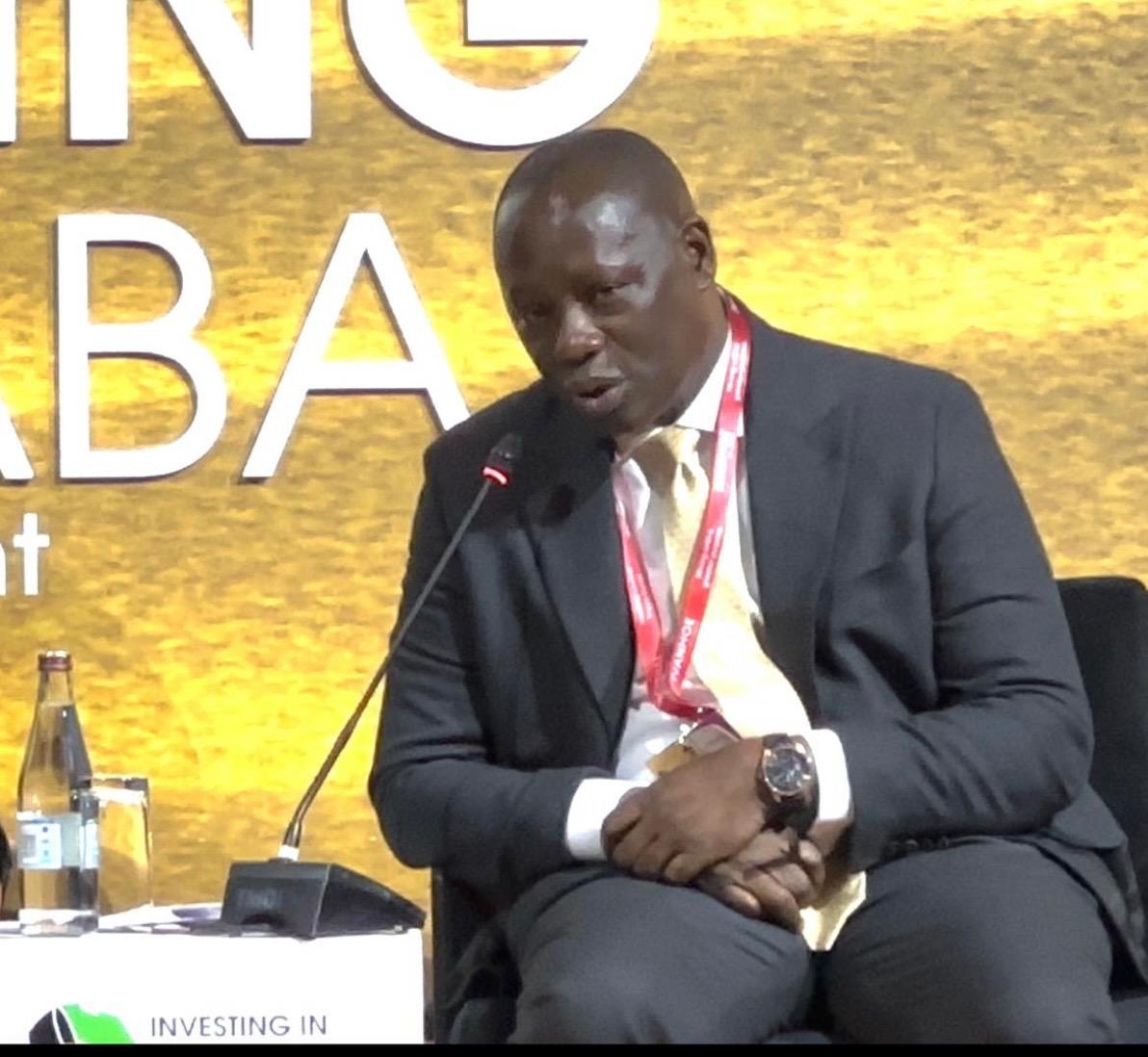

Minister for Lands and Natural Resources, Emmanuel Armah Kofi Buah, has challenged African governments to confront a central weakness in the continent’s integration agenda which he identifies as the gap between shared continental ambitions and the institutional capacity required to deliver them.
Addressing the Intergovernmental Summit on day one of the 2026 Mining Indaba in Cape Town, the Minister framed Africa’s quest for regional and continental integration as an economic necessity rather than a political ideal.
The mining sector, he argued, sits at the centre of this challenge, serving both as a backbone of African economies and as a mirror of the limits of current integration efforts.
According to Mr. Buah, Africa already possesses an abundance of policies, strategies, and legal frameworks governing natural resource management.
The persistent problem, he stated, is a lack of effective enforcement and harmonisation across national, sub-regional, and continental levels.
Integration efforts continue to operate within fragmented institutional and legal environments that rarely align or reinforce one another,” he added.
He noted that flagship initiatives such as the African Mining Vision, the ECOWAS Mining Code, and broader harmonisation principles provide important direction but remain largely aspirational.
Without binding legal force or credible cross-border enforcement mechanisms, Mr. Buah argued, these frameworks struggle to translate vision into practice.
The Minister observed that this fragmentation is reinforced by what he described as a “sovereignty trap,” where national priorities and uncoordinated industrial policies—such as unilateral export restrictions—undercut collective regional objectives. The outcome, he said, is a persistent policy-confidence gap that discourages long-term investment and constrains Africa’s ability to evolve from raw material extraction into integrated, value-added processing and manufacturing.
Within this continental context, Mr. Buah presented Ghana’s recent reforms as a demonstration of how national action can help close the integration gap.
He said Ghana has undertaken deliberate legal and policy reforms to strengthen predictability in the mining sector, notably by enhancing its Minerals and Mining Act to align the regime more closely with international best practices. These reforms, he stressed, are intended to reduce administrative uncertainty and improve investor confidence.
He cited the establishment of the Minerals Income Investment Fund (MIIF) as a key step toward transparent resource revenue management and long-term value creation for Ghanaians.
Mr. Buah explained that the creation of the Ghana Gold Board (GOLBOD) under the Ghana Gold Board Act, 2025 (Act 1140) has centralised the regulation of the gold trade—covering purchasing, assaying, and exports—while targeting the leakages and smuggling that have historically undermined the sector.
The Minister also highlighted Ghana’s investment in digital systems, including land administration and mining cadastre platforms, which are streamlining regulatory processes, improving accountability, and reducing bureaucratic delays. These governance measures, he emphasized, are reinforced by Environmental and Social Governance reforms aimed at ensuring that mining growth remains responsible, inclusive, and environmentally sustainable.
Mr. Buah was careful to situate Ghana’s experience within Africa’s wider integration architecture. He said the reforms are designed to align with continental and regional initiatives such as the African Continental Free Trade Area (AfCFTA), ECOWAS mining frameworks, and the African Union Mining Vision.
Harmonised standards, reduced regulatory fragmentation, and credible institutions, he argued, are essential if Africa is to facilitate seamless trade in minerals, services, capital, and expertise across borders. Integration in the mining and natural resources sector, he added, has the potential to act as a catalyst for broader economic integration—supporting regional value chains, retaining more value within the continent, and strengthening Africa’s collective negotiating position in global markets.
While acknowledging the scale of the challenge, the Minister expressed measured optimism about Africa’s trajectory. Progress toward integration, he said, will depend on aligning national reforms with continental ambitions, building institutions that endure beyond political cycles, and fostering transparency that commands confidence from both investors and citizens.
Integration, Mr. Buah concluded, is not an event but a process. Ghana’s experience suggests that with sustained governance reform and institutional resilience, Africa can move steadily from aspiration to implementation, turning integration from a recurring question into a practical outcome.
By Eric Yaw Adjei