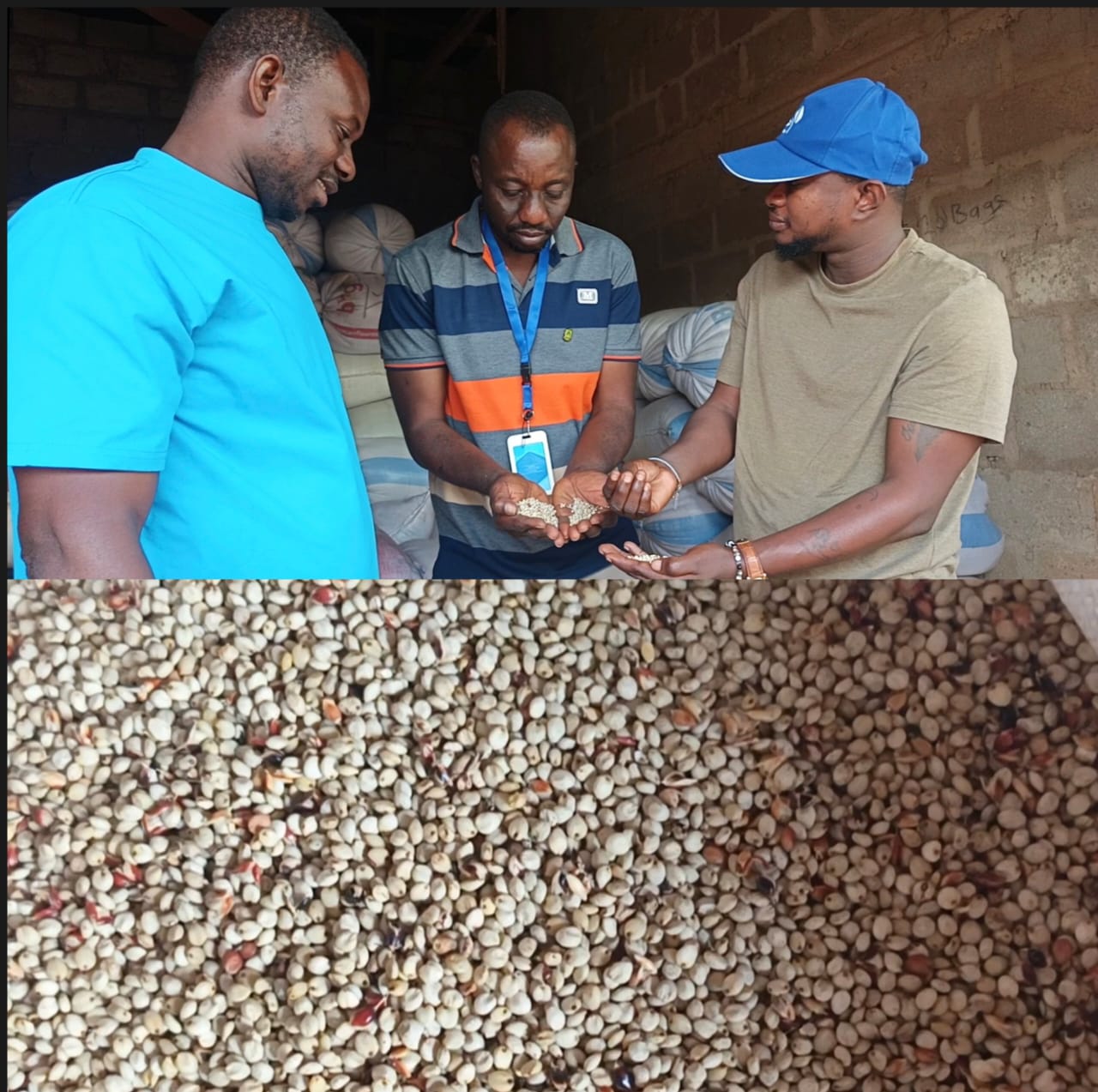

A strategic partnership between Guinness Ghana PLC, Castel Group, and SNV Ghana is transforming the sorghum sector while creating a sustainable market for farmers across five regions in the northern part of Ghana.
Clement Wumlara Yakubu, Project Manager at SNV Ghana, said the Sorghum value chain project was designed to develop and sustain the sorghum industry while ensuring a reliable supply of the commodity for Guinness Ghana’s brewing operations, including the production of Malta Guinness and other beverages.
He explained that SNV, as a development organisation, has over the past two years worked closely with small- and medium-scale agribusinesses within the sorghum value chain, strengthening their production capacity and financial structures.
The organisation has also supported aggregators to organise and structure their outgrower networks, enabling farmers to access resources and expand production.
“These aggregators are then able to purchase the sorghum and supply directly to Guinness Ghana,” Yakubu said, adding that aggregation is currently ongoing across all five regions under the project.

According to him, the initiative has provided farmers with a guaranteed and fair market, encouraging increased participation and investment in sorghum production.
“Farmers are rational beings. Once they are assured of a market, they will invest,” he noted.
He added that there was an initial hesitation during the first year of implementation which gave way to growing confidence after farmers witnessed their produce being readily off-taken by aggregators.
Yakubu said the success of the first phase has led to a significant rise in farmer participation, with many voluntarily forming groups to be enrolled as outgrowers under the project.
Beyond farmers, the Project Manager indicated that the project is stimulating local economies by benefiting seed growers, transporters, financial service providers and other actors along the value chain.
However, he cautioned against overconcentration in a single value chain, warning that unchecked expansion could lead to glut.
He stressed the need to develop other agricultural value chains alongside sorghum to maintain balance and sustainability in the sector.
He also hinted at exploring alternative uses and possible refining of sorghum to absorb any future excess production, while calling for collaboration with government and other stakeholders to sustain broader agricultural development.
Meanwhile, the Acting Head of Procurement for Guinness Ghana PLC, Philip Kofi Asabri, described the partnership as critical to the company’s long-term growth and supply security.

He said working directly with farmers to understand their challenges has improved the quality, volume and value of sorghum supplied to the company.
“This partnership is very key to Guinness Ghana’s future endeavours,” Asabri stated, noting that the company’s transition to Castel Group, known for its high brewing and governance standards, makes quality assurance even more crucial.
He explained that the project has strengthened traceability systems, enabling the company to track produce to specific batches and suppliers in case of quality concerns.
Where challenges such as toxins or soil-related issues arise, he said, technical support is provided to farmers to address them promptly.
Asabri expressed confidence that sustained collaboration between Guinness Ghana, SNV and farmers would not only secure quality raw materials for beverage production but also deliver lasting benefits to farming communities and the national economy.
He mentioned that with continued partnership and coordination, “the sky will be the limit” for the sorghum value chain and all stakeholders involved.
Farmers and aggregators, while hailing the partnership as a key driver of their success, have urged duty bearers to extend similar support to other crop value chains to prevent an overconcentration in sorghum production that could result in a market glut as more farmers shift into its cultivation.
By Ibrahim Abubakari Wangara