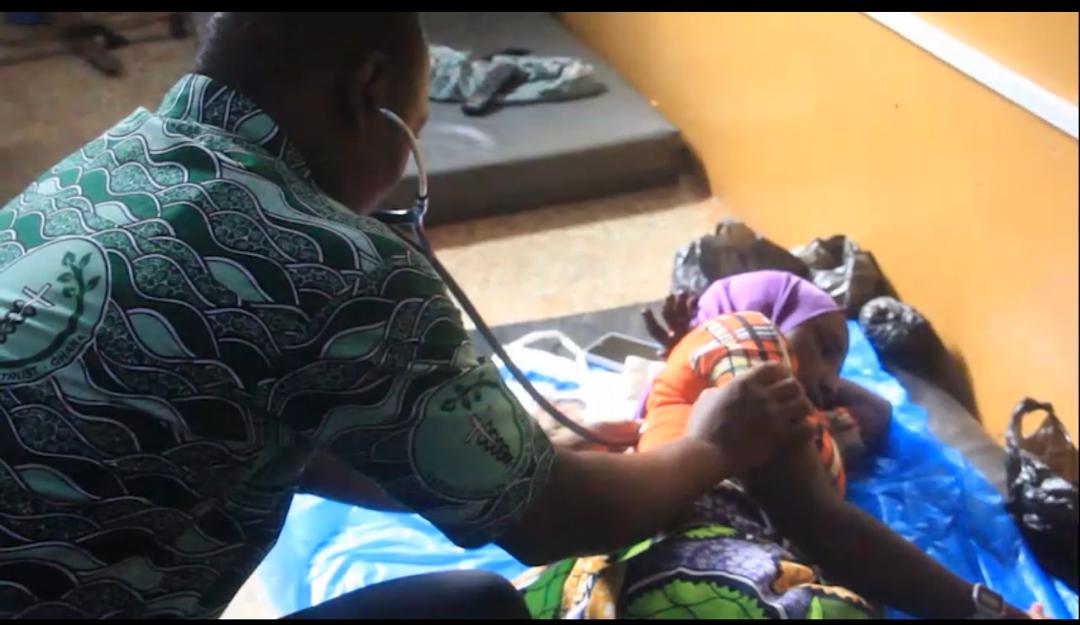

The reported death of a 29-year-old engineer, Charles Amissah, following difficulties in securing hospital admission in Accra has deeply affected the nation.
Public grief and anger are understandable. When emergency systems appear to fail, confidence in healthcare institutions is shaken.
Yet if we are to prevent recurrence, we must move beyond immediate reaction and examine the structural, psychological, and physical pressures within our emergency care ecosystem.
As an Occupational Health and Safety and an Employee Assistance Programme Professional, I approach this issue from a workforce wellbeing perspective because patient safety and staff wellbeing are inseparable.
“No Bed” Is a System Signal
When hospitals report bed unavailability, it reflects more than occupancy numbers. It often signals deeper strain: surge capacity overload, infrastructure limitations, staffing shortages, equipment constraints, and coordination gaps between facilities.
Emergency departments operate in high-intensity environments where clinicians make life-altering decisions within seconds. When physical space is constrained and staffing ratios are stretched, decision-making becomes exponentially more complex.
The public may perceive refusal. Internally, clinicians may be navigating risk, capacity, and uncertainty simultaneously.
This distinction does not diminish accountability. Rather, it highlights the need for systems-level solutions.
The Psychological Weight of Chronic Strain
Healthcare professionals working in overstretched systems operate under sustained psychological pressure. Research in occupational health and emergency medicine consistently shows that prolonged exposure to high-acuity stress affects cognition and behaviour.
Moral distress occurs when clinicians know the appropriate clinical action but lack the resources to execute it fully. Repeated exposure erodes resilience and contributes to emotional exhaustion.
Compassion fatigue can develop after prolonged periods of crisis response without adequate recovery. It is not indifference; it is a psychological defense mechanism that helps individuals cope with cumulative trauma.
Decision fatigue is another risk. Emergency clinicians make hundreds of rapid decisions daily. Cognitive overload reduces mental clarity and can slow judgment during critical moments.
In addition, environments perceived as heavily punitive may unintentionally foster risk-averse behaviour. Where fear of litigation or disciplinary action dominates, clinicians may default to rigid protocol adherence rather than flexible stabilization strategies in ambiguous situations.
None of these factors excuse poor outcomes. But they underscore an essential reality: burnout and psychological strain are patient-safety risks.
Physical Constraints Intensify Psychological Stress
Psychological strain does not occur in isolation. It is amplified by physical constraints such as:
- Limited emergency resuscitation space
- Inadequate surge capacity beds
- Overcrowded triage areas
- Equipment shortages
- Delayed inter-facility communication
Without real-time visibility of bed availability across referral hospitals, emergency services may rely on sequential contact or physical transfers to determine capacity. In critical care, even short delays can have devastating consequences.
A centralized, digital bed management system accessible to emergency services is no longer optional in modern healthcare systems. It is foundational to coordinated response.
Stabilization Must Be Non-Negotiable
Global emergency care principles are clear: critically ill patients must be triaged and stabilized before admission decisions are finalized. Dedicated, protected resuscitation zones separate from inpatient beds help ensure that “no bed” never translates into “no treatment.”
A national “Life-First” stabilization protocol would reinforce this principle and reduce ambiguity during surge periods.
Clear policy reduces hesitation. Clarity saves time. Time saves lives.
Workforce Support Is a Safety Strategy
At the Employee Assistance Programme, our mandate is to protect the psychological wellbeing of our healthcare workers so they can function optimally under pressure.
Psychological support is not peripheral to clinical excellence; it is foundational to it.
Post-incident debriefings, confidential counseling, resilience training, and structured peer support reduce burnout and improve cognitive performance during emergencies.
When clinicians are psychologically supported:
- Reaction time improves
- Ethical clarity strengthens
- Team communication becomes more effective
- Defensive decision-making decreases
Supporting health workers does not shield them from accountability. It equips them to meet it.
Investment in workforce wellbeing is therefore not an administrative luxury. It is a patient-safety intervention.
A Systems-First Reform Agenda
Restoring public trust requires structural redesign alongside accountability. A comprehensive reform agenda should include:
- Mandatory stabilization-before-transfer protocols
- A national real-time digital bed registry
- Investment in emergency infrastructure and surge capacity
- Clear legal protections for good-faith emergency stabilization during capacity strain
- Institutional strengthening of Employee Assistance Programs across major hospitals
- Adoption of a “Just Culture” framework that distinguishes human error from systemic design flaws
True safety emerges when accountability and support coexist.
A Moment for Responsible Reform
Hospitals are not machines; they are ecosystems powered by human beings operating under pressure. If we want better outcomes, we must invest in capacity, coordination, technology, policy clarity and the mental health of those on the frontlines.
The goal is straightforward: no critically ill patient should experience preventable delay due to capacity ambiguity, and no healthcare worker should operate in conditions that compromise safe decision-making.
Healthcare reform must be holistic. Patient safety begins with system design and system design must include workforce wellbeing.
The national conversation sparked by this tragedy must lead to integration, not polarization; reform, not repetition.
If we redesign the system with both infrastructure and human factors in mind, we move closer to an emergency care model that protects patients and supports those entrusted with saving them.
By Hannah Adjei-Mensah
OHS/Employee Assistance Programme- Korle Bu Teaching Hospital