
From polluted rivers caused by galamsey to toxic chemicals in our food, the threat to public health is escalating.
What we eat, drink, and depend on for survival is increasingly unsafe.
The growing use of chemicals in food has sparked fear and outrage. Fruits are forced to ripen unnaturally, vegetables polished with toxic substances, and fish preserved with formalin, a chemical meant for embalming the dead. These practices, experts warn, are silently poisoning our bodies.

Disturbing videos of traders selling adulterated foods have flooded social media, raising questions about the failure of authorities to protect consumers. Reports of beans mixed with cement, plantain chips fried in plastic, and paracetamol used to soften beans paint a chilling picture of what ends up on our plates.

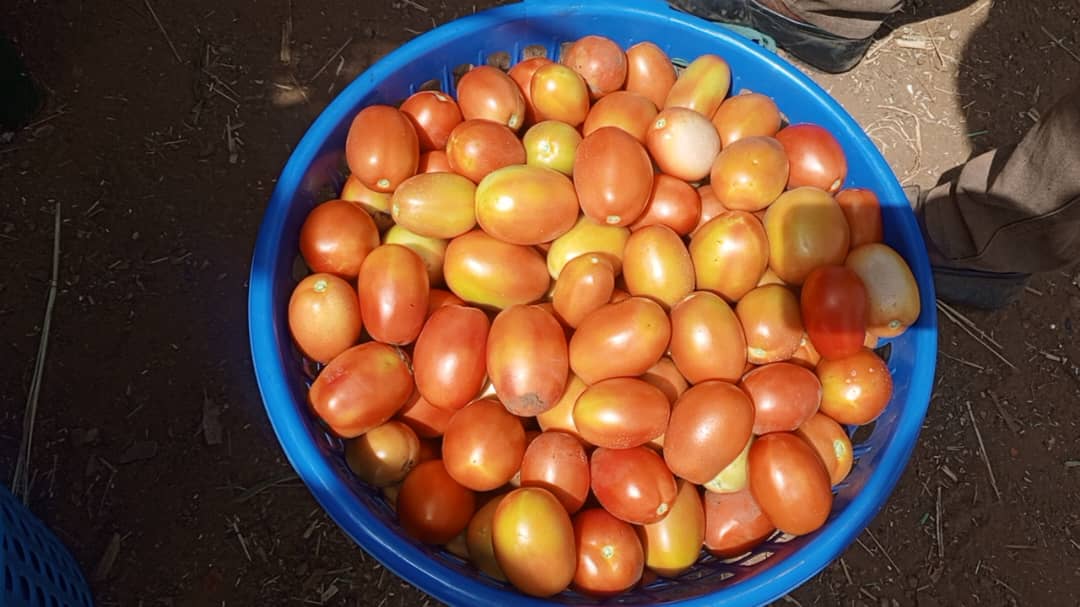
At Madina Market, some traders insist they use safe, traditional methods. A tomato seller claims chemicals are only used to preserve produce, not to kill. A fishmonger admits hearing about formalin but insists she relies solely on salt.

But experts disagree. On March 13, 2026, Associate Professor of Food Science and Technology, Agnes Simpson Budu, raised concerns:
“”Fish that are being displayed in the open or koobi, that normally attracts flies and I go and there are no flies hovering on it, I won’t buy. because they add formalin. This formalin is supposed to be used for embalming a dead body. so, they use it on the fish and it puts the flies off because it’s preserving the fish. it is not the right preservative to be used. If you’re buying fish from the market, smoked fish, even raw fish, they put it, soak it and then display it. so, you don’t see flies on it, that is not normal,” she said.

She condemned inspectors for neglecting their duty, warning that corruption and lax enforcement put every Ghanaian at risk.
“If you are looking for something, the sellers will give you what you are looking for. The regulatory agencies should do their work, but they don’t do it. They are not prosecuting them. I hear that some people, some of the regulatory agencies, asked to go around. When they go and they even find those things that should not be done, they collect money from the people and no report. They go back to the office, everything is fine. They are enjoying it, but at the end of the day, the food, your wife will go to the market and shop and come and cook it for you. So we are all at risk.”

Dr. Kennedy Brightson of the Ghana Health Service echoed his concerns, calling for stricter oversight.
“There are organizations that must go around to sample the final food that the children put into their mouth. Not necessarily what is sold and cooked. Because in the process of cooking, a lot of additives are put into the food. We’ll prepare groundnut soup and you don’t need to put it in the fridge. It’s left on the coal pots. Till day break, you go and you warm it and you eat and it’s perfect. But today, even inside the fridge, the groundnut soup still goes bad. So what are the things that we are putting inside? We need to watch all these things,” he bemoaned.

The Ministry of Food and Agriculture admits the situation is hazardous. Paulina Addey of Women in Agriculture says education is underway to guide farmers on safe chemical use:
“A lot of training is going on for farmers to use chemicals within the permissible limits. So for spring that goes on, you have to wait until it breaks down before you harvest. And even with livestock, eggs, for instance, we also have issues with antimicrobial resistance. And there’s a lot of education going on. So we make sure we provide wholesome food for the nourishment of the populace. Those who violate the law, so they want to work within the set limits. But we are still talking to them because these are hazardous. If it won’t kill you today, it will kill you tomorrow or it will kill a relation of yours.”
Meanwhile, the Food and Drugs Authority (FDA) has announced nationwide laboratory testing and surveillance to verify these shocking claims and safeguard public health.
But the question remains, will this be enough to protect Ghanaians from the silent dangers lurking in their food?