
Kidney disease is often perceived as a condition that mainly affects older people.
However, health experts warn that this belief is contributing to a silent rise of the disease among young people in Ghana, making it a major public health concern, as many cases are detected at advanced stages.
Chronic kidney disease is gradually emerging as a serious health challenge in Ghana.
Studies estimate that about 13.3 percent of Ghanaians are living with chronic kidney disease, many of them unaware of their condition, because the disease develops slowly and may not show symptoms until the kidneys are severely damaged.
Research shows that more than 75 percent of patients in Ghana report to hospitals with advanced stages of kidney disease, when treatment options are limited and often very expensive.
Even more worrying is that many patients in Ghana develop kidney failure at a relatively young age, affecting people in their most productive years, including young adults.
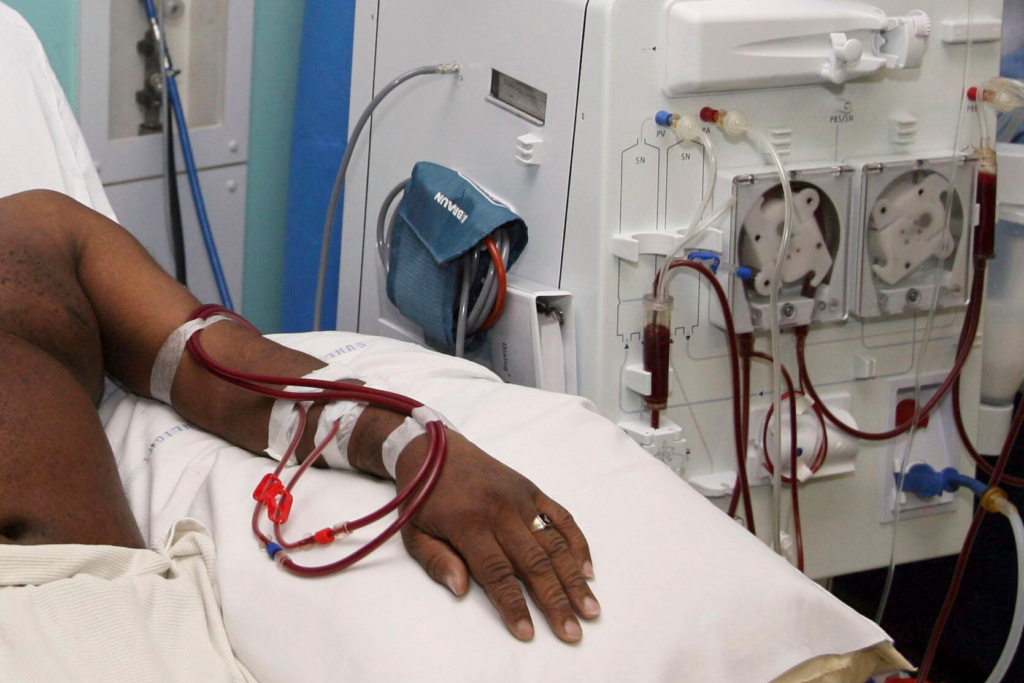
Kojo Baffour Ahenkora, the convenor of the Renal Disease Patients Association said in an interview with 3news on March 30 that, “Many people still think kidney disease is for the elderly, but that is no longer the case. We are seeing young people in their 20s and 30s coming in with advanced kidney failure. By the time they are diagnosed, they need dialysis, and that is a huge financial and emotional burden on families.”
Dr Panyin Avemee, Physician Specialist and Nephrology fellow at KBTH said poor lifestyle habits such as poor diet, excessive salt intake, frequent consumption of sugary drinks, alcohol abuse, smoking, and lack of regular physical activity — significantly increase the risk of developing hypertension and diabetes, which are leading causes of kidney disease.
“What we are seeing is largely lifestyle-driven. High blood pressure and diabetes, which are major causes of kidney disease are becoming very common among young people due to poor diet, inactivity and substance abuse. Unfortunately, many do not go for routine check-ups, so the disease is only detected when it is far advanced,” she stated.
She believes that increasing awareness among young people, encouraging healthier lifestyles and promoting regular screening could help reduce the growing burden of chronic kidney disease in the country.
“Kidney disease can be prevented or delayed if detected early. Simple tests at the hospital can save lives. We are urging especially young people to check their blood pressure, monitor their sugar levels, and adopt healthier lifestyles. And I always advise that you do a general check up on your birthdays” she said.
By Sarah Apenkroh