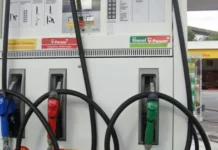
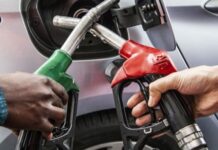
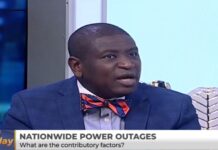
Kwadwo Nsafoah-Poku, a leading member of the opposition New Patriotic Party (NPP), has advised Cabinet to refocus its agenda on tomorrow’s meeting on the fuel crisis.
He says rather than deliberating on reducing the cost of fuel prices, Cabinet should rather prioritise scarcity and put measures in place to ensure there is always supply for consumption.
Speaking on the BigIssue segment on the NewDay morning show on TV3 Monday, April 6, 2026, Nsafoah-Poku noted that the availability of fuel is the crucial issue the government should be concerned about, rather than the pricing.
“Personally, I think that that Cabinet meeting tomorrow should not be about prices. The prices there is nothing government can do. It should be about avoidance of scarcity. In Asia now, there are demonstrations of high fuel prices and scarcity,” he stated.
His comments follow President John Dramani Mahama’s call for an emergency Cabinet meeting over the rising cost of fuel as a result of the ongoing tensions in the Middle East that has shot up fuel prices.
Addressing participants at the Kwahu Business Forum on Saturday, April 4, 2026, the President signalled that the government is moving swiftly to mitigate the impact of rising petroleum costs on households and businesses.
“I have called for this emergency cabinet meeting to decide on specific measures we can take to cushion petroleum prices while we hope the conflict comes to an end. There are adjustments we can make, particularly in the margins, to help maintain relatively stable prices as we pray for the war to cease,” he stated.
The meeting, he explained, will examine the structure of fuel pricing in Ghana, including taxes, levies and margins, with a view to identifying areas where relief can be provided without undermining fiscal stability.
The President’s intervention follows a significant jump in pump prices at the start of April, reflecting volatility in international crude oil markets. Data from the National Petroleum Authority shows that petrol prices climbed by about 15% to GH¢13.30 per litre, while diesel recorded an even steeper increase of roughly 19% to GH¢17.10 per litre for the April 1–15 pricing window.
The surge has raised concerns about knock-on effects on transport fares, food prices and the general cost of living.
Despite the pressures, President Mahama sought to reassure the public that the broader economy remains resilient.
“I can confidently tell you that the economy will not collapse because of the war in Iran,” he emphasised.
The President also acknowledged the role of key stakeholders, particularly transport operators, in helping to stabilise the situation in the short term.
He commended transport unions for resisting immediate fare hikes, describing their restraint as a critical buffer against further economic strain on commuters and businesses.
Any upward adjustment in transport fares typically triggers a chain reaction across the economy, affecting goods and services nationwide.