

Deputy Minister for Education, Dr. Clement Abas Apaak, says the government remains committed to reforms aimed at delivering holistic, quality education for national development.
He made the remarks at the 75th anniversary and speech, and prize-giving day of T. I. Ahmadiyya Senior High School in Kumasi recently, where he outlined key policy directions shaping the sector.
Dr. Apaak said the government’s vision is focused on developing well-rounded individuals who can contribute meaningfully to society.
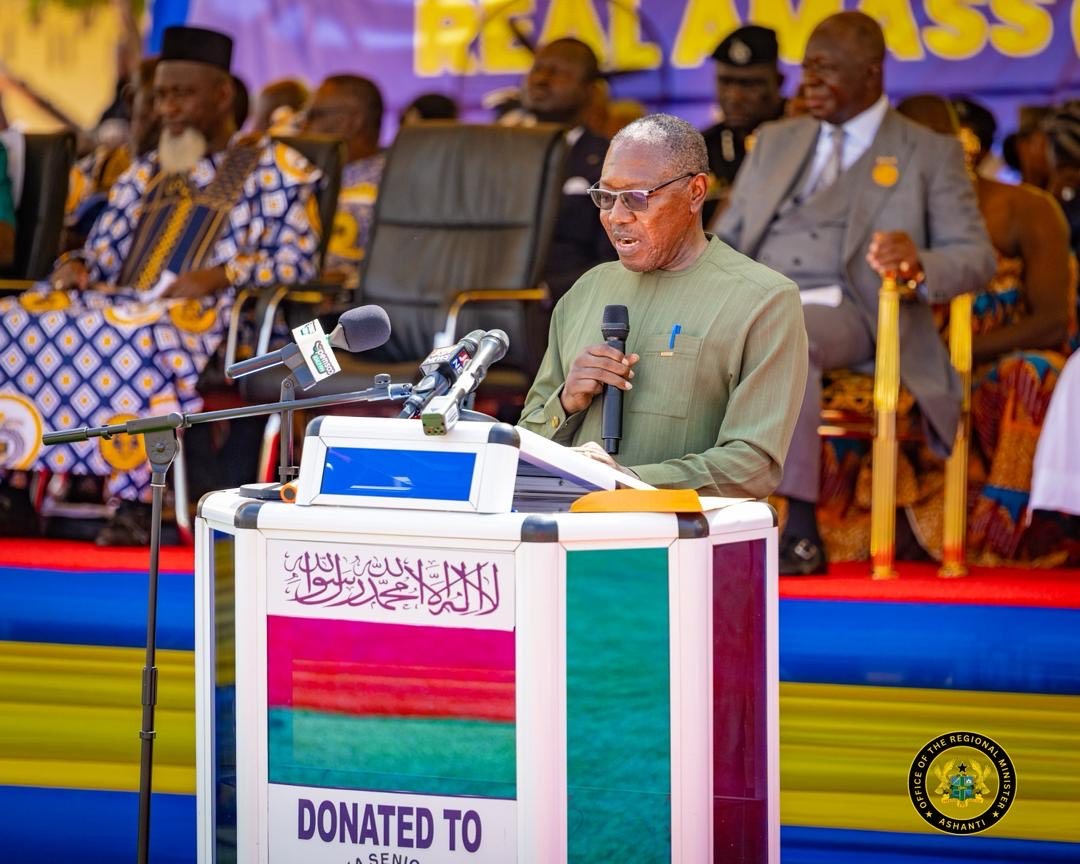
“As a government, our vision is clear: we seek to develop the whole learner—intellectually capable, morally grounded, emotionally resilient, and socially responsible,” he stated.
He explained that education must go beyond academic achievement to include strong values and character formation.
“Academic excellence alone is not enough. It must be accompanied by character, sound judgement, and a commitment to service,” he added.
Touching on reforms, the Deputy Minister highlighted the introduction of a standards-based curriculum designed to equip learners with relevant skills.
“Our standards-based curriculum is designed to strengthen foundational competencies, promote critical thinking and creativity, and integrate digital literacy,” he said.
He noted that the reforms are aimed at aligning Ghana’s education system with global standards while addressing local needs.
According to him, real impact will be seen through improvements in teaching and learning environments.
Dr. Apaak also underscored the importance of investing in teachers, describing them as central to educational transformation.
“Teachers remain the cornerstone of educational quality,” he stressed, pointing to ongoing efforts to improve their welfare and professional development.
He further indicated that the government is committing resources to infrastructure development to support effective learning. “We are investing in infrastructure, strengthening teacher professional development, and improving teacher welfare and motivation,” he noted.
Dr. Apaak maintained that these reforms are essential to producing disciplined, innovative, and responsible graduates who will drive Ghana’s future growth.
By Daniel Opoku