
The Ministry of Labour, Jobs and Employment is set to present a draft bill to Cabinet seeking approval for the establishment of a National Productivity Authority aimed at improving efficiency and reducing labour unrest in Ghana.
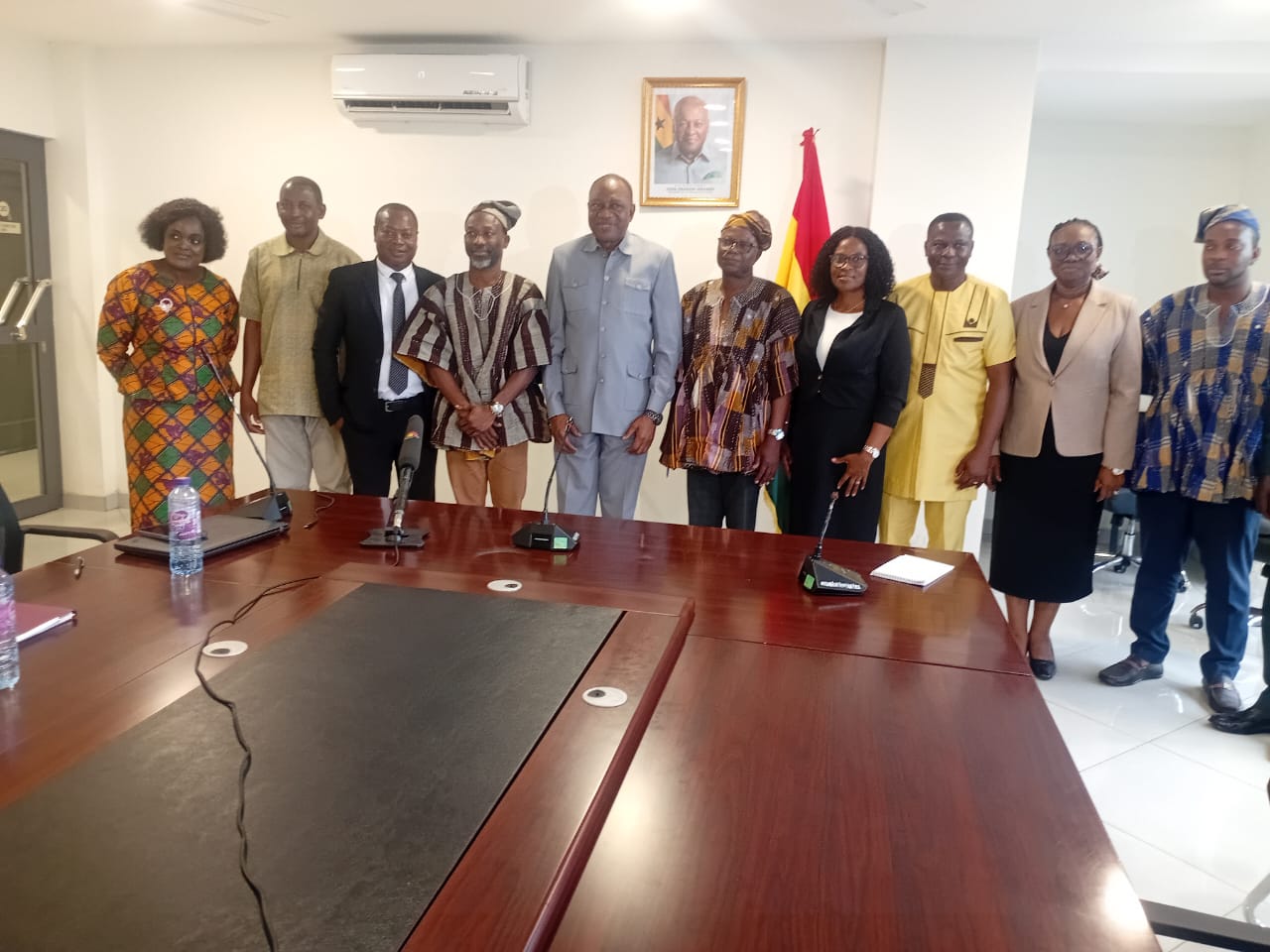
Minister for Labour, Jobs and Employment, Dr. Rashid Pelpuo, disclosed this during a meeting with the leadership of the Management Development and Productivity Institute (MDPI) in Accra on April 8.
According to the Minister, the proposed Authority will help align wages with productivity, a measure he believes will address persistent industrial agitations.
“The establishment of a National Productivity Authority will ensure that wages are linked to productivity, thereby reducing the frequent labour agitations we are witnessing,” Dr. Pelpuo said.
Productivity challenges have long remained a major concern for successive governments, with the lack of reliable and measurable indicators contributing to inefficiencies in public spending and a growing wage bill.
Although the Ghana Statistical Service has initiated efforts to develop and roll out productivity indicators, these interventions have been constrained by limited financial resources.
This situation has, over the years, slowed productivity growth within the public sector, while existing structures, including the MDPI, have struggled to fully resolve the issue.
To address these gaps, Dr. Pelpuo indicated that the draft bill will seek to amend Legislative Instrument (L.I.) 1077, which governs the MDPI, to pave the way for the creation of the National Productivity Authority.
The Director-General of MDPI, Professor Elijah Yendaw, expressed optimism about the initiative, noting that it could significantly improve labour relations and productivity outcomes.
“We are confident that the establishment of the National Productivity Authority will go a long way in reducing labour agitations and improving productivity across sectors,” Prof. Yendaw stated.
If approved, the National Productivity Authority is expected to play a central role in shaping Ghana’s productivity framework and supporting sustainable economic growth.