
Residents of Kumasi could face a severe water crisis in the coming years as major dams supplying the metropolis suffer heavy siltation, encroachment, and power challenges.
At the Barekese Dam, officials of Ghana Water Limited say the reservoir is under serious threat due to human encroachment and environmental degradation. Forest areas around the dam have been cleared, while illegal developments continue to choke the buffer zones.
Ashanti Regional Chief Manager for Production, Dr. Hanson Mensah-Akutteh disclosed that the situation has significantly reduced the dam’s capacity.
“The Barekese dam is about 40 percent silted, and the available water is not adequate. If there’s any significant climate variability, Kumasi could face a major water crisis in the next two to three years,” Dr Mensah-Akutteh told the Managing Director of Ghana Water Limited, Adam Mutawakilu, when he visited the facility to assess the situation following his working visit in the region.
The situation is even more alarming at the Owabi Dam, which is reportedly about 75 percent silted, leaving very little usable water for treatment.
Officials warn that without urgent dredging of both dams, the region may struggle to meet water demand, especially during prolonged dry seasons.
“The remaining water volume cannot sustain operations for even a year if there’s a serious drought. We need immediate dredging to restore capacity.”
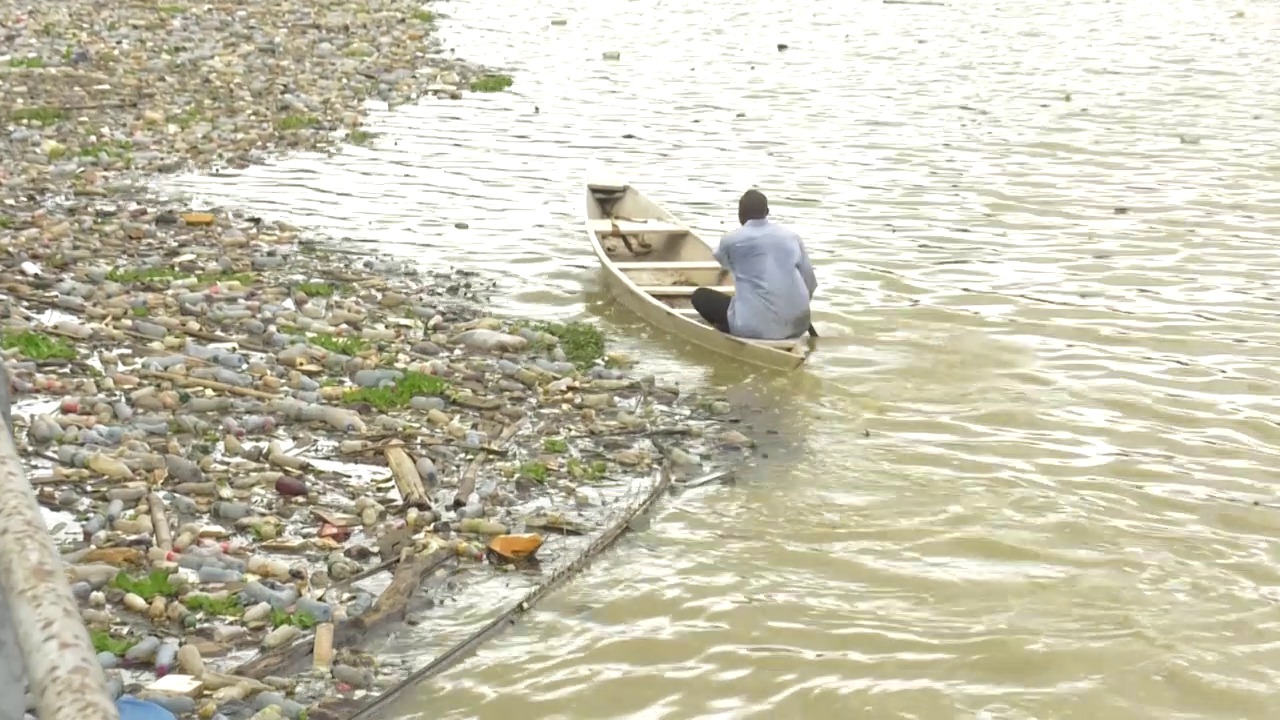
During the visit, the Managing Director also raised concerns about plastic waste being washed into the dams during rainfall, further complicating water treatment processes.
“The level of plastic pollution is worrying. It gets carried to the intake points and affects production, though staff are making efforts to remove the waste regularly,” Adams Mutawakilu observed.
Aside from environmental challenges, unstable power supply is also disrupting operations at the treatment plants.
The Barekese Water Treatment Plant designed to run 24 hours a day is now operating for fewer hours.
“Power fluctuations are affecting our stability. Sometimes we run only 14 to 16 hours a day, leading to about a 30 percent drop in production,” Dr Mensah-Akutteh disclosed.
Last month alone, Ghana Water Limited recorded a major shortfall of nearly one million cubic meters in water production, leaving thousands of residents in Kumasi underserved.
To address the situation, Management of Ghana Water Limited says it is seeking government approval to begin dredging works, with funding provisions already captured under recent tariff adjustments.
The company is also working with the Electricity Company of Ghana to secure a dedicated power supply, including the installation of a new transformer and voltage regulators.
“It is critical that we resolve both the dredging and power challenges urgently to stabilize water supply,” the Managing Director, Adams Mutawakilu said.
Officials of the water company are urging stakeholders and the public to support efforts to protect water bodies, warning that failure to act swiftly could plunge Kumasi into a full-scale water crisis.
By Ibrahim Abubakar