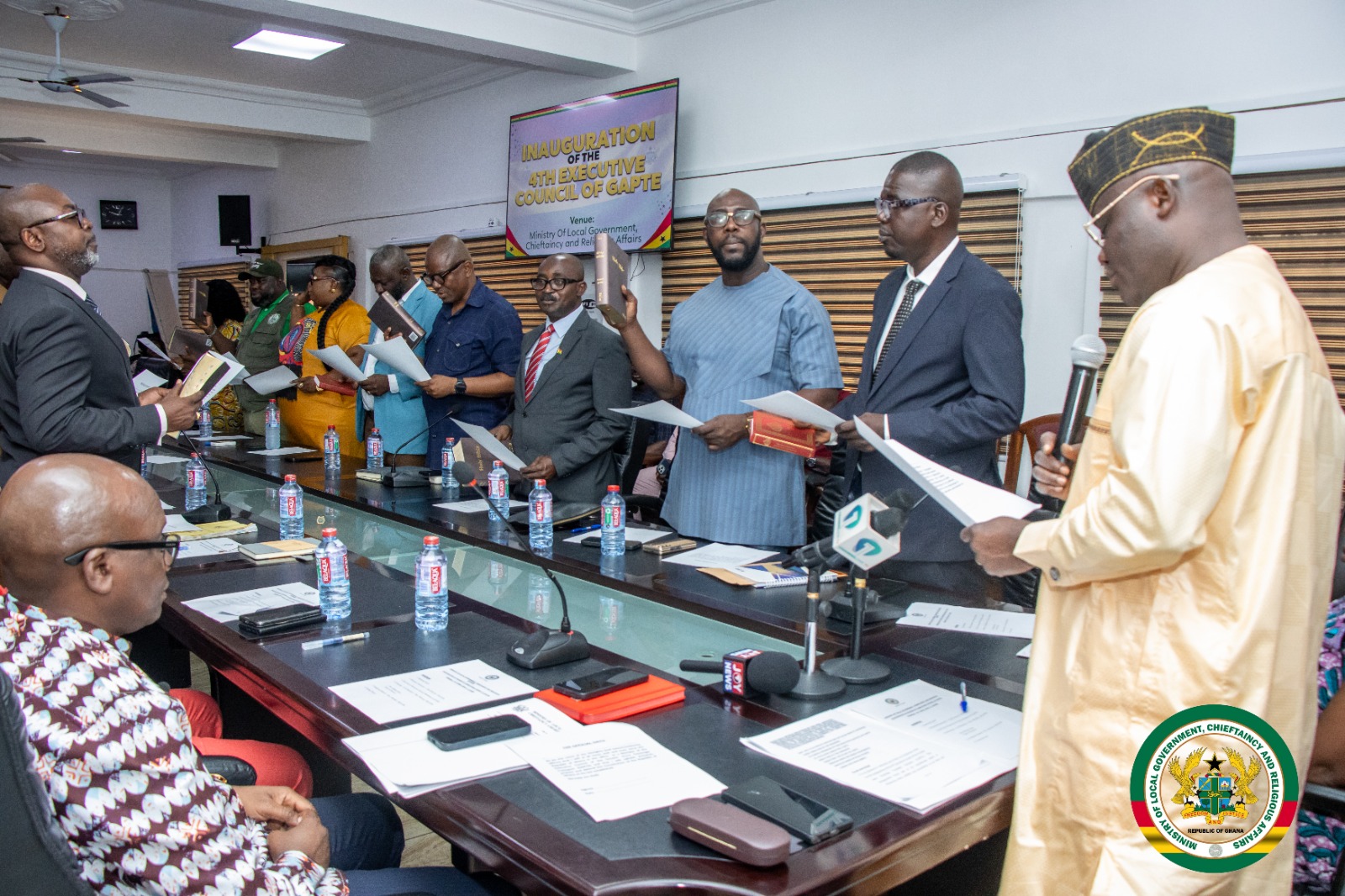

The Minister for Local Government, Chieftaincy and Religious Affairs, Ahmed Ibrahim (MP), has inaugurated the 4th Executive Council of the Greater Accra Passenger Transport Executive (GAPTE).
He called for urgent reforms to transform urban mobility in the Greater Accra Metropolitan Area (GAMA).
Addressing the in-coming members, including the Ag. Managing Director of GAPTE, MMDCEs within GAMA, and the Chief Director of the Ministry, Mr Ibrahim described the inauguration as part of government’s commitment to enhancing urban mobility and accessibility in Ghana’s cities and towns.
GAPTE’s Mandate and Vision
The Minister noted that GAPTE has evolved since its conceptualisation under the Ghana Urban Transport Project (GUTP) in 2005 as part of the Accra Modernization Initiative. Its primary mandate is to undertake transport planning, network development, and public transport regulation within GAMA.
GAPTE aims to deliver world-class mobility services through well-managed and innovative transit solutions, promote safe, comfortable access to social and economic services through mass transport, and support a transition to more environmentally sustainable transport modes to reduce transport-related greenhouse gas emissions along BRT corridors.
Why the Council Matters
Mr Ibrahim stressed that the establishment of the Executive Council is the most significant public transport reform Ghana has experienced since independence.
Pursuant to Section 31 of the Local Governance Act, 2016 (Act 936) as amended, all MMDCEs within GAMA and Awutu Senya East Municipal Assembly, which is functionally connected to GAMA, are strategically included in the Council as per the GAPTE Regulations, 2014.
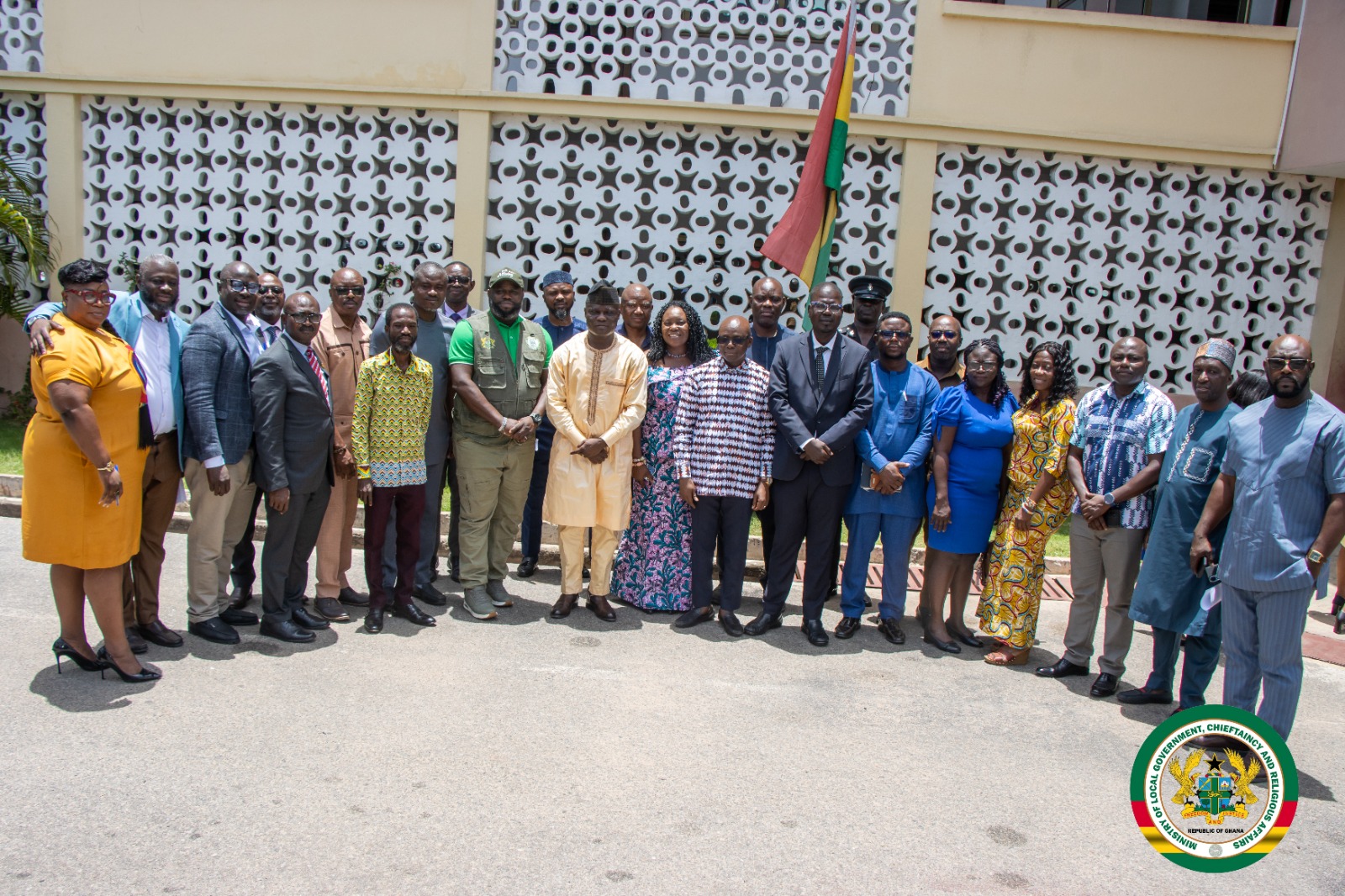
He charged members to collaborate beyond individual jurisdictions and avoid siloed interventions: “You are to keep the collective vision alive and address challenges within GAMA that transcend your respective boundaries.”
State of Transport in GAMA
The Minister presented stark statistics underscoring the urgency of reform:
- Economic weight: Accra alone, with approximately 5 million people, contributes 34 to 39 percent of Ghana’s GDP.
- Congestion: Traffic moves at just 28 kilometres per hour on main roads, with workers spending an average of 58 minutes per trip. Many residents endure commuting over 3 hours daily, consuming 15% or more of household income on transportation.
- Road deficit: GAMA operates with a 58% road network deficit, having only 7,600 km of the 19,000 km required, while traffic on key corridors increases by up to 15% annually.
- Informal dominance: 70% of people depend on informal “trotro” services, yet only 14% of built-up areas have five-minute walking access to public transport.
- Safety and health costs: In 2023, Greater Accra recorded over 14,000 road crashes resulting in more than 2,000 fatalities. The first quarter of 2025 alone saw a 23.5% increase in road traffic fatalities.
- At Korle-Bu Teaching Hospital, 62% of Emergency Department fatalities are attributed to road traffic accidents. Air pollution from vehicles reduces life expectancy by approximately nine months, contributing to nearly 50% of Accra’s hazardous air pollution. In 2019 alone, about 3,000 individuals in Accra died prematurely from transport-related air pollution.
Call to Action
As part of implementing the 24-Hour Economy Policy, Minister Ibrahim said the Executive Council must devise strategies to position GAPTE to contribute to the Policy.
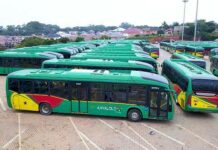
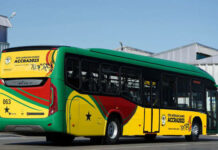
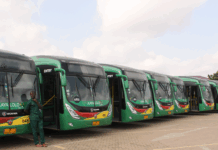
“Aayalolo must be revamped to provide 24-hour services to ensure effective and efficient public transport in GAMA in tandem with the 24-Hour Economy Policy,” he stated.
He urged MMDCEs to prioritize and secure GAPTE properties in line with infrastructural development within their jurisdictions, adding that improved mobility will translate into an improved quality of life.
“Think of the parent who will gain an additional hour with their children due to reduced commuting time. Also envision the child who will enjoy cleaner air and a longer, healthy life,” the Minister said.
Guiding Principles for the Council
Mr Ibrahim outlined key directives for the new Council:
1. Shift from siloed operations to inter-jurisdictional coordination of urban mobility and accessibility.
2. Deepen inter-sector and agency partnerships in addressing urban mobility and accessibility in GAMA.
Acknowledging the challenges, he noted that coordinating efforts across 27 MMDAs requires patience and persistence, and budget limitations will test their resolve. “However, with vision, courage, commitment, and perseverance, success is within your reach,” he added.
Looking Ahead
“The decisions you make during your tenure will shape GAMA’s development for the next 3 to 5 decades,” Hon. Ibrahim told the Council. He expressed confidence that the 4th Executive Council will be instrumental in shaping the future of Ghana’s public transport landscape and improving the quality of life for citizens.
The Minister concluded by thanking all members for accepting to serve and formally declared the 4th Executive Council of GAPTE duly inaugurated.
By Emmanuel Nelson Ebelin