

The Public Accounts Committee says it has had enough of the “we’ve written to EOCO” excuse. Chairperson Abena Osei Asare is moving to shut down the vague stories assemblies often tell when caught in financial mismanagement in the Auditor General’s report.
Her solution? Bring the investigators to the witness table. She says, going forward, she wants EOCO representatives right there in the room to fact‑check officials in real time.
This move follows a frustrating pattern at the three‑day public hearing in the Western Region.
One by one, assemblies from the Western and Central regions pointed the finger at the Economic and Organised Crime Office (EOCO), claiming they had already reported or cleared their financial infractions with the Office.
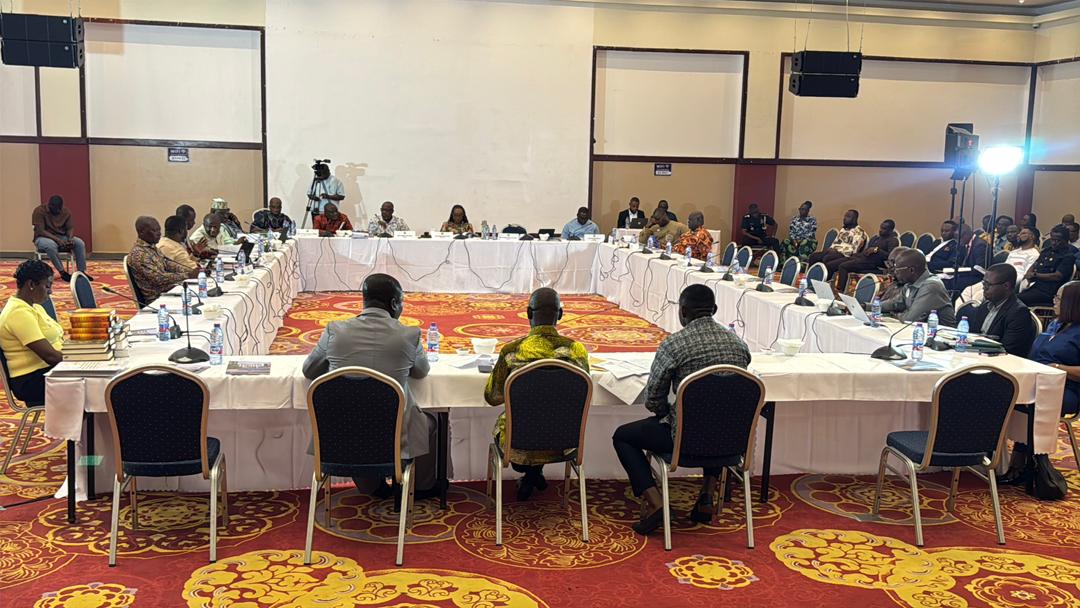
But Chairperson Abena Osei Asare isn’t buying it. She notes that these institutions are using EOCO as a “shield,” yet they almost never produce an official letter to prove it.
To stop the run‑around, she is demanding an EOCO representative sit at the table from now on – making it impossible for officials to hide behind phantom investigations.
Speaking at the hearing, Asare explained:
“Now it has become a common tune we hear from these assemblies. For one reason or another, they say they haven’t been able to retire their infractions – especially when it boils down to money or some contract. They say, ‘We have written to EOCO.’ And sometimes they claim this without any evidence in the form of a letter.
“Just as we treat the District Assembly Common Fund, where we have a representative from that office present, it is in that same vein that we expect a representative from EOCO to come and sit with us to corroborate what they are saying. This is important because when we went to Kumasi, a similar issue came up, and we were told they had written to EOCO.
However, the person against whom the infraction was cited reached out to us and told us that what the assembly said was not true – they hadn’t written to EOCO at that point. We couldn’t verify at the time, which is why we are saying EOCO representatives should come here.
“Similarly, when we sit with the secondary schools, we will have a representative from GetFund also come here so that we have a complete and comprehensive hearing. Validation plays a key role in the work we are doing, so we must also validate from EOCO.” She explained.
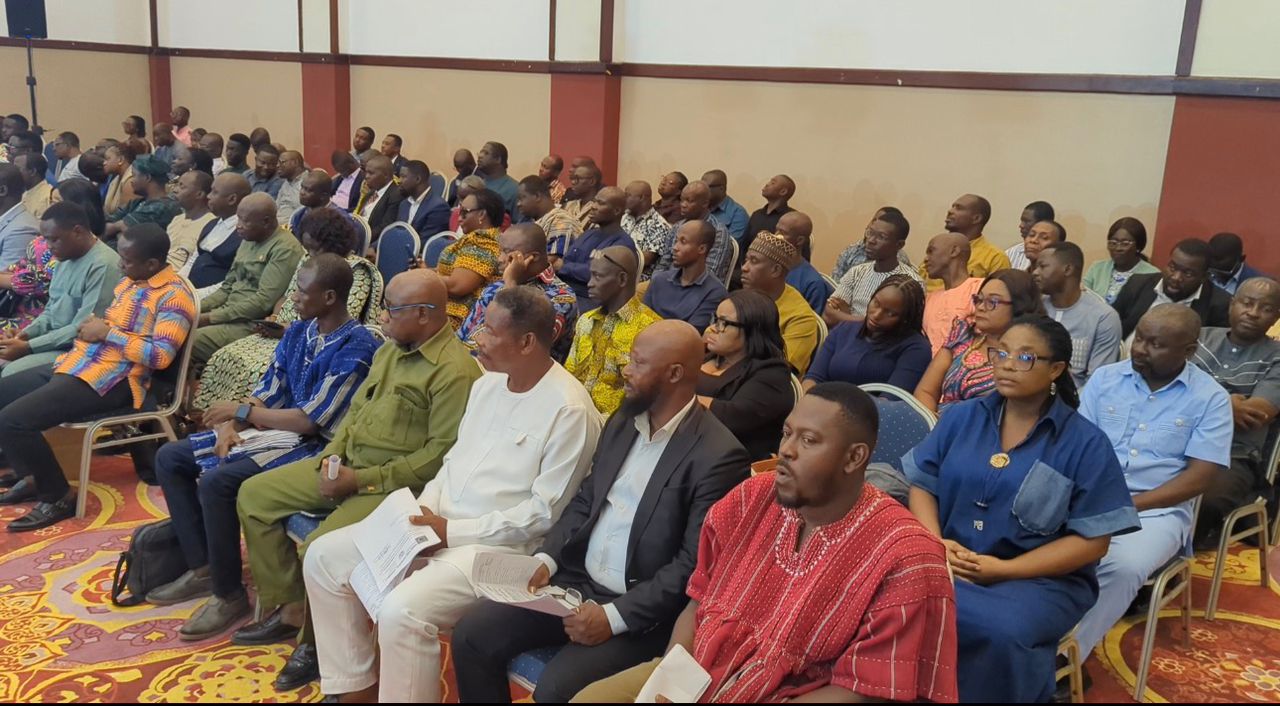
Another major concern at the hearing was how some assemblies are handling government housing. Instead of collecting the required 10 per cent of an occupant’s income, many were found charging a flat rate of just 20 cedis. With so little money coming in, the properties are being left to rot.
For Ranking Member Samuel Atta Mills, this is a clear‑cut case of mismanagement. He says it only proves his point: the government has absolutely no business being a landlord.
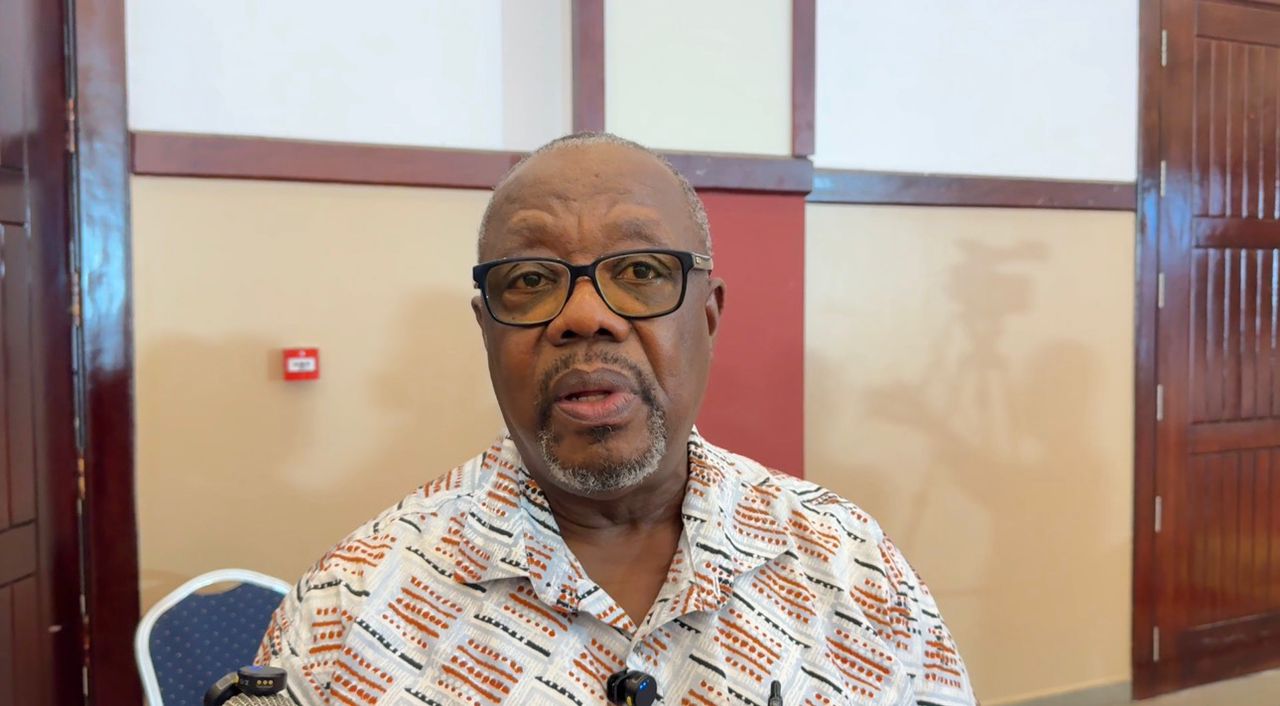
“I don’t think it’s government business to get into real estate. If you go to most of these assemblies, they have so many buildings. The assembly is supposed to collect rent – 10 per cent of the occupant’s income – but they don’t collect it. Sometimes they collect 20 cedis. Twenty cedis for a two or three‑bedroom apartment. And they don’t maintain those buildings. As a result, even the people occupying them don’t want to pay the 20 cedis a month, or whatever it is.
“Why don’t we give it to a unit somewhere that will renovate it and charge the appropriate rent? Just because you work for the government doesn’t mean you have to be given an apartment or a building where you pay 20 cedis a month. Where in the world can you do that? So the buildings are dilapidated, without any maintenance,” he said.
By Ebenezer Atiemo