
ActionAid Ghana has welcomed President John Mahama’s call to criminalise the pervasive “sex-for-jobs” culture in Ghana.
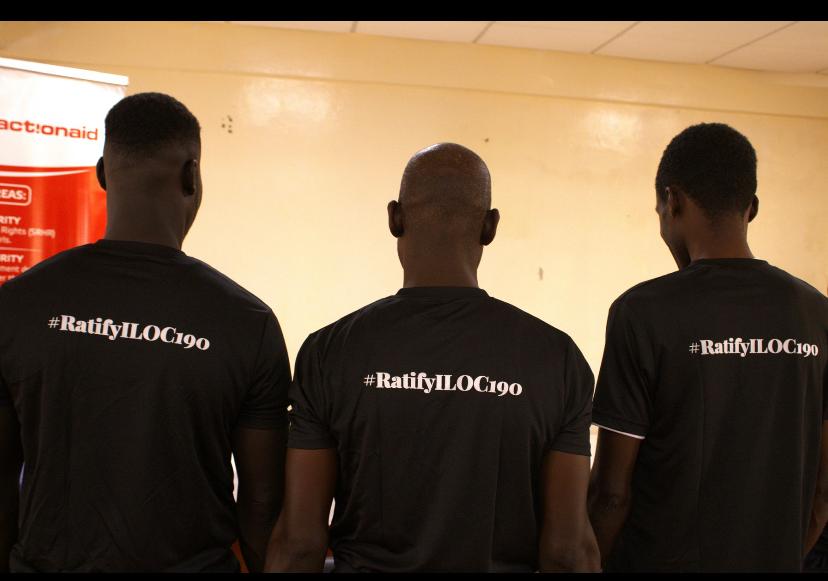
The NGO views this as a significant and timely step toward advancing the principles of the International Labour Organization (ILO) Convention 190 on Violence and Harassment in the World of Work.
A statement from the Tinktank indicates; “We strongly assert that “sex-for-jobs” practices constitute a grave violation of human rights, gender equality, dignity, and decent work principles. We remain deeply concerned that this form of exploitation continues to disproportionately affect women and young job seekers, particularly those facing unemployment, poverty, social exclusion, and broader economic vulnerabilities.
Young women in Ghana remain especially at risk within these exploitative power dynamics. Since 2019, ActionAid Ghana, in collaboration with its movement structures including the Young Urban Women’s Movement, has generated and shared evidence documenting the multiple and intersecting forms of discrimination, harassment, and workplace vulnerability experienced by women across sectors in Ghana”.
The statement further reads; “We commend the renewed commitment by President John Dramani Mahama, policymakers, civil society organisations, and labour rights advocates who are calling for stronger legal, institutional, and accountability frameworks to address employers and persons in positions of authority who exploit power by demanding sexual favours in exchange for employment opportunities.
At ActionAid Ghana, we strongly believe that the growing national momentum to criminalise “sex-for-jobs” practices is fully aligned with our long-standing advocacy for the domestication and effective implementation of ILO Convention 190, which affirms the right of every person to a world of work free from violence and harassment, including gender-based violence”.
The gender justice and social justice organisation, reiterates that, a core strength of ILO Convention 190 lies in its expansive and progressive definition of the “world of work.” This definition extends beyond formal workplaces to include recruitment processes, job-seeking environments, training spaces, and other work-related interactions, all critical entry points where many victims of “sex-for-jobs” exploitation experience coercion, intimidation, abuse of power, and systemic vulnerability.
The statement further stressed that, sexual exploitation within recruitment and employment systems undermines meritocracy, fairness, dignity, and equal opportunity, while entrenching structural gender inequalities and perpetuating unsafe and discriminatory work environments.
“We therefore view the current national conversation as a critical policy window for Ghana to strengthen labour protection systems and ensure full alignment of national legal and institutional frameworks with international labour standards, particularly ILO Convention 190”.
ActionAid Ghana recommended immediate action towards:
a “Clear, comprehensive, and enforceable legislation criminalising sexual exploitation in recruitment and employment processes;
• Safe, confidential, accessible, and survivor-centred reporting and redress mechanisms;
• Strong institutional accountability and zero-tolerance enforcement across both public and private sector institutions;
• Increased public awareness, advocacy, and preventive education in the workplace harassment, abuse of power, and gender-based violence; and
• Stronger alignment of Ghana’s labour, gender, and workplace protection frameworks with the standards and principles of ILO Convention 190”. The statement stressed.
The statement concluded that, “At ActionAid Ghana, we maintain that ending workplace sexual exploitation is both a gender justice and economic justice imperative. Women and young people must be guaranteed equal access to employment and professional advancement based on competence, qualifications, and merit — free from coercion, intimidation, discrimination, and abuse of power”.