
Majority Chief Whip Rockson-Nelson Dafeamekpor says the Ghanaian government was not officially informed about the arrest of the Asante Akyem North Member of Parliament, Ohene Kwame Frimpong abroad despite an international warrant reportedly being issued weeks earlier.
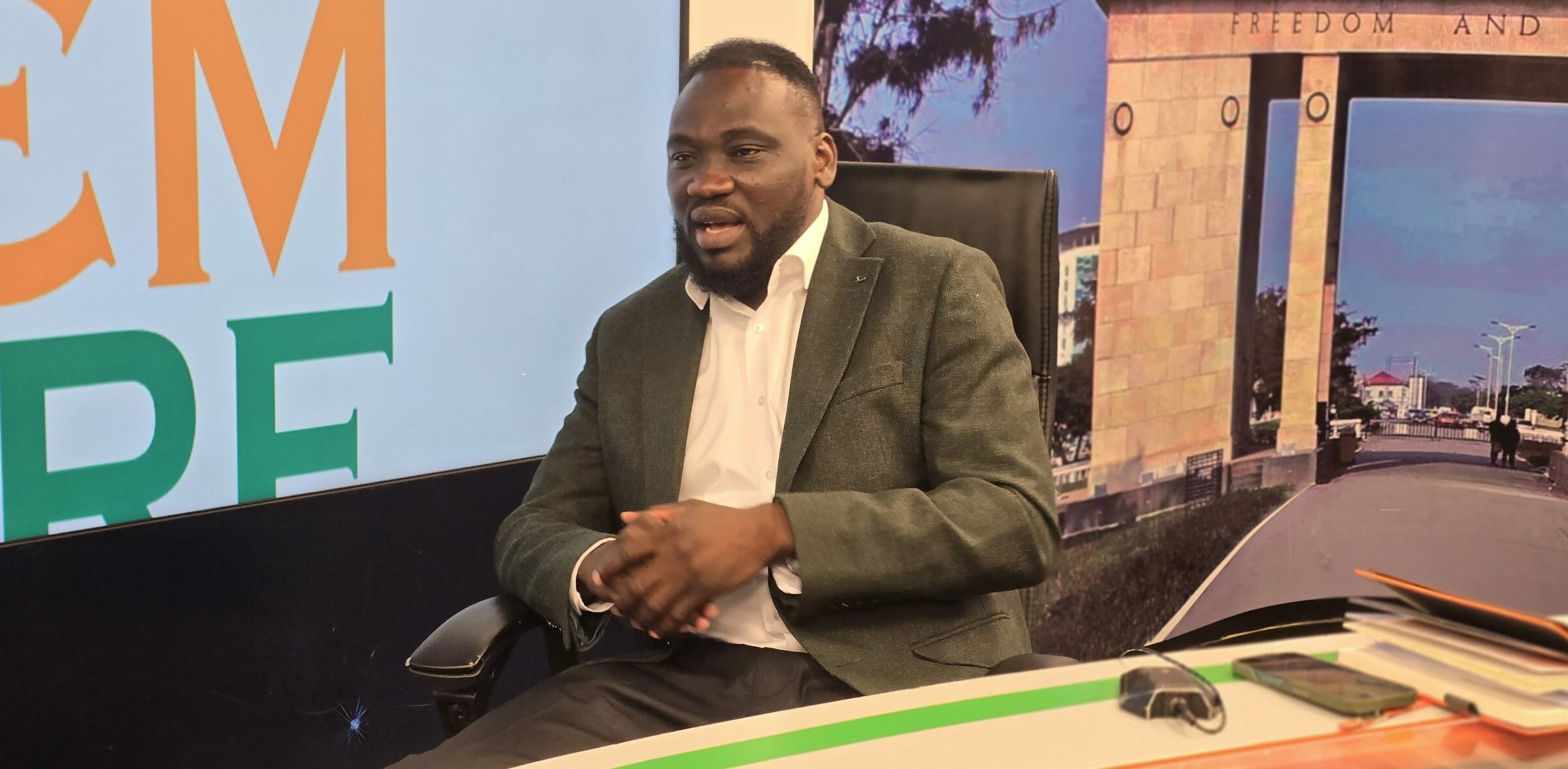
Speaking on the matter on the KeyPoints with Alfred Ocansey, Dafeamekpor recounted how he first learned of the incident.
According to Dafeamekpor, the MP personally managed to reach him briefly while in custody.
“He said, ‘Boss, I’ve been arrested,’” Dafeamekpor disclosed on May 16.
He explained that the MP attempted to seek clarification from authorities over the basis for the arrest and extradition request to the United States, but officials allegedly provided little information at the time.
“They still haven’t told us their reasons. They are still coy about the basis,” he said.
The Majority Chief Whip noted that the situation immediately triggered frantic diplomatic and legal efforts involving parliamentary leadership, Ghana’s Foreign Affairs Ministry and Ghanaian diplomats abroad.
He revealed that the Majority Leader of Parliament, Mahama Ayariga quickly altered his travel plans and flew to the Netherlands to engage with the detained MP and coordinate legal support.
According to Dafeamekpor, lawyers later confirmed that the arrest warrant had been issued on April 26, raising questions about why Ghanaian authorities were allegedly not notified earlier.
“We can confirm that the warrant was issued on 26th April,” he stated.
He explained that under international policing arrangements, warrants circulated through Interpol can sometimes take time before formal diplomatic communication reaches national authorities.
Dafeamekpor stressed that the issue should not be trivialised as a social media discussion, warning that international arrest warrants can affect anyone once circulated through Interpol systems.
“This is not a social media matter. It can happen to anybody,” he cautioned.
He further clarified that the MP was travelling on a diplomatic passport but was on a private trip, a distinction he says complicates the question of diplomatic immunity.
“So those diplomatic courtesies or immunities may not automatically extend because it was a private trip,” he explained.
However, he added that the fact the MP was travelling with a diplomatic passport still raises legal and diplomatic considerations that Ghana’s Attorney-General is currently reviewing.
“The Attorney-General has been asked to offer an opinion on whether diplomatic privileges can be triggered in this instance,” he said.
Dafeamekpor also disclosed that Parliament routinely advises MPs to use ordinary passports for personal travel rather than diplomatic passports, although many still opt for diplomatic documents because of visa privileges and travel convenience.
The South Dayi MP emphasized that government officials are still trying to determine whether the arrest resulted from a formal Interpol request or direct cooperation between foreign authorities and the United States.
By Christabel Success Treve