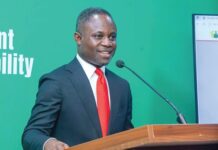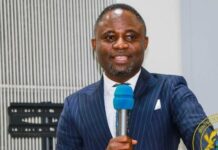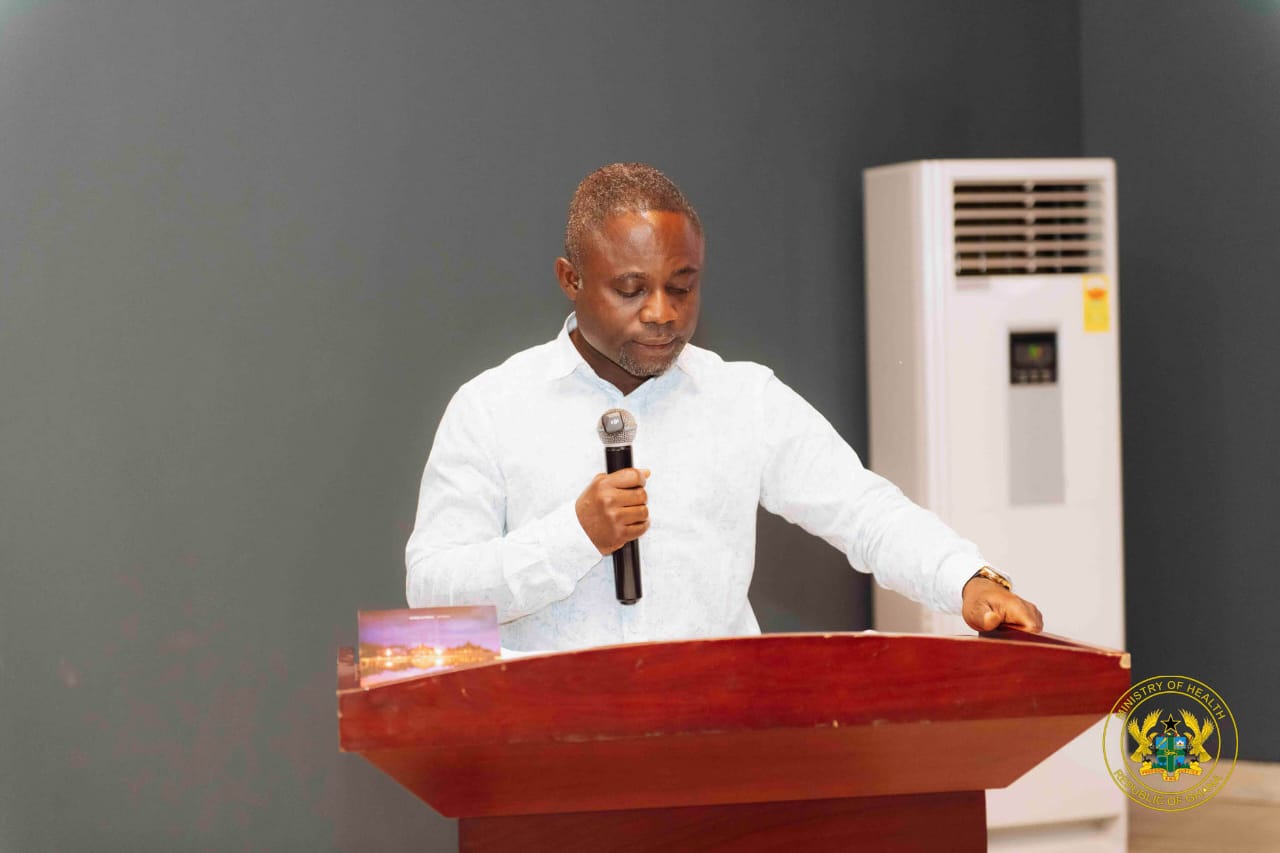

The Minister of Health Kwabena Mintah Akandoh says African countries must move from dependence on aid to building resilient health systems funded and owned by their citizens, defending a new push for health sovereignty and domestic financing.
Addressing delegates at a high-level global health meeting in Geneva, he described the current moment as a turning point for international health cooperation, warning that the global health system is under severe pressure following major cuts to international development assistance.
According to the Minister, more than eight billion dollars had been withdrawn from development support within a year, placing decades of gains against HIV, tuberculosis and malaria at risk. And the consequences have already been felt in many countries, with some clinics forced to shut down and vulnerable groups, including mothers and children, losing access to essential healthcare services.
He said Ghana, together with former Nigerian President Olusegun Obasanjo and other global partners, had launched the “Accra Reset” initiative aimed at reshaping the global health architecture. The initiative he said seeks to move countries in the Global South from being passive recipients of aid to becoming architects of their own healthcare systems.
‘‘The global health architecture – built over eighty years on solidarity – now strains under pressures it was not designed to bear. In just one year, $8 billion was cut from international development assistance. Two decades of progress against HIV, tuberculosis, and malaria are at risk. What this means is that clinics closed their doors, and in some cases, mothers and children failed to live.
It would have been easy to lament, but under President John Dramani Mahama’s leadership, with co-convenor President Obasanjo, the 2 Global Presidential Council and the High-Level Panel, Ghana chose to build, not lament. The Accra Reset is not a critique; it is a construction. It does not request a seat at another’s table. It sets its own. It moves nations of the Global South from passive recipients of aid to sovereign architects of our own health systems.’’ He emphasized
The Minister also praised President John Dramani Mahama for championing what he called a new era of “health sovereignty,” centered on country ownership, accountability and resilience. Highlighting series of reforms introduced under President Mahama’s administration, including the uncapping of Ghana’s National Health Insurance Fund, which he said restored more than 300 million US dollars to the country’s health budget, the creation of the Ghana Medical Trust Fund, popularly known as “Mahama Cares,” and the Free Primary Healthcare Programme.
‘‘We are still forging on. Under President Mahama’s leadership, just a month ago, Ghana launched the Free Primary Healthcare program funded solely with domestic funds. Ladies and Gentlemen, this is what Sovereignty looks like. As Minister of Health, I am privileged to serve with a president whose vision for health sovereignty transcends borders and reshapes global health.’’ He noted
The World Health Assembly is the highest policy-making body of the WHO which brings together health ministers, heads of state, diplomats, scientists, development partners and global health institutions from WHO member countries to discuss international health priorities, approve budgets and shape global health policy.
The 2026 assembly comes at a time of growing concern over cuts in international development assistance and pressure on health systems worldwide.
This year’s meeting is on the theme: “Reshaping Global Health: A Shared Responsibility.”
By Sarah Apenkroh