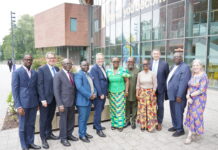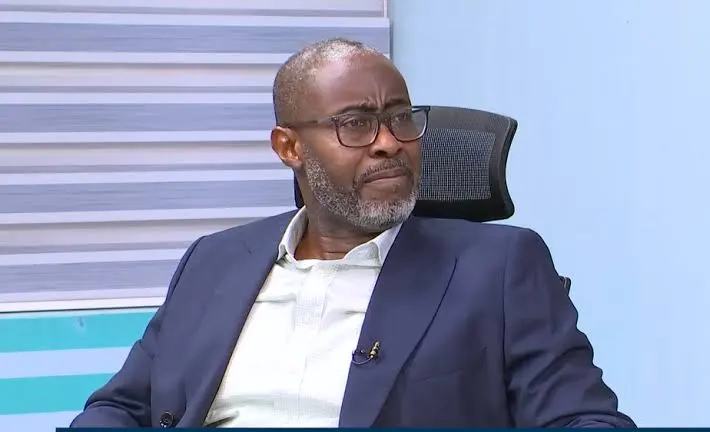

Legal practitioner, Ace Kojo Anan Ankomah, has noted that the future of Africa in the era of Artificial Intelligence (AI) depends not on the technology itself, but on the character of those who create and use it.
He avers that AI is reshaping the world at an unprecedented pace, its impact, however, will be determined by human values and ethics.
“In a world reshaped by technology at breathtaking speed, the future will not be decided by machines, but by the character of those who create and use them,” he said in his Commencement address to the 2026 graduating class of the SOS-Hermann Gmeiner International College in Tema, on Saturday, June 6, 2026, on the theme: “Cultivating Ethical Leadership for an AI-Driven Future: A Collective Pan-African Obligation.”
Recalling his days as a student, he said things have now changed, putting artificial intelligence at the centre of human learning and advancement.
“When I was a student, research meant class notes and library books. Our understanding was shaped largely by what teachers taught and authors wrote. Today, Artificial Intelligence is reshaping the world before our eyes,” he noted, while urging the graduates to be ethical leaders in their future endeavours.
He highlighted the capabilities of AI, mentioning that it can write essays, diagnose diseases, draft legal documents, and create music and art. However, he stressed that despite its power, AI has limitations.
“AI cannot define justice, feel compassion or choose conscience over convenience. Only human beings can do that,” he said, emphasising the importance of human values in the AI era.
According to him, the defining questions that linger the next five decades should be the fulcrum of the systems that should be designed by and for Africans.
“Will AI deepen inequality or expand opportunity? Will it entrench exploitation or advance human flourishing? Those questions will not be answered by machines. They will be answered by leaders; ethical leaders: YOU!”
He called for a Pan-African responsibility to secure a seat at the table and build Africa’s own technological future.
He said Africa needs to gain technological sovereignty, not isolation, and also develop the capacity to shape its own future. “We cannot be and remain passive users of systems designed entirely elsewhere. We must help design the technologies and ethical frameworks that will govern the future,” he indicated, quoting Kwame Nkrumah’s call to “seek first the political kingdom.”
He highlighted Africa’s unique tradition of community, shared responsibility, and human-centred thinking, saying, “Africa possesses something the world urgently needs.”
He noted that the challenges facing Africa, such as poverty, inequality, and climate change, require a collective effort to address, with AI playing a major role. “We must work together to build a future that is inclusive, equitable, and just,” he said.
African leaders urged to ‘seek technological sovereignty’ in AI-driven world