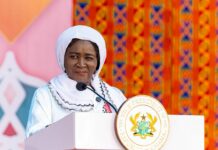

The Government of Ghana has officially launched a new National Cultural Policy aimed at positioning culture as a key driver of socio-economic development while preserving the country’s rich heritage and identity.
Speaking at the launch ceremony held at the National Theatre in Accra, on June 9, 2026, the Minister for Tourism, Culture and Creative Arts, Dzifa Gomashie highlighted the transformative role of culture in national development, emphasizing that cultural activities must be supported through effective policies that benefit communities and contribute to sustainable growth.
According to the Minister, the policy is the result of years of extensive consultations involving academics, artists, community leaders, women, youth groups, religious organizations, and creative industry stakeholders. She noted that the collaborative approach ensured that the policy reflects the diverse needs and aspirations of Ghanaians.
The Minister paid tribute to past leaders and pioneers of Ghana’s cultural sector, including former chairpersons and officials of the National Commission on Culture, whose efforts laid the foundation for the development of the new policy.
“For a long time, Ghana’s culture has been viewed primarily through a social and anthropological lens. This policy shifts that paradigm by recognizing culture as a vital tool for socio-economic development,” she stated.
The policy outlines strategies to improve access to financing for creative entrepreneurs, establish creative arts infrastructure, integrate cultural products into trade agreements, and strengthen cultural tourism by offering visitors immersive Ghanaian cultural experiences.
The Minister stressed that cultural practices and traditional ceremonies should not be seen merely as symbols of identity but as significant economic activities that create jobs and generate income.
He cited marriage ceremonies and festivals as examples of cultural events that support entire value chains involving traditional authorities, event planners, fashion designers, musicians, transport operators, artisans, food vendors, and media practitioners.
“By harnessing the economic potential embedded in our culture and traditions, we can promote entrepreneurship, create sustainable employment opportunities, and empower our people, particularly the youth and women,” she said.
The Minister also called on businesses and investors to channel resources into Ghana’s cultural and creative industries, describing culture as a profitable investment opportunity that also demonstrates national pride.
She urged media organizations to support the policy’s call for increased promotion of Ghanaian content, while encouraging young people to use digital platforms to showcase Ghana’s culture and identity to the world.
As part of ongoing efforts to promote cultural heritage, the Minister highlighted several initiatives undertaken by the Ministry. These include the National Heritage Photo Competition, which empowers young creatives to document and preserve Ghana’s cultural heritage through photography.
Following a successful inaugural edition, the Ministry has launched the 2026 competition under the theme, “Promoting Creativity and Heritage Through the Eyes of the Youth,” aimed at nurturing a new generation of cultural custodians.
The Minister also announced plans for the next edition of the Africa Street Food Festival, an initiative organized in collaboration with UNESCO and regional partners to celebrate African culinary heritage. The event will bring together chefs, food innovators, traditional food practitioners, nutritionists, scholars, and entrepreneurs from across the continent.
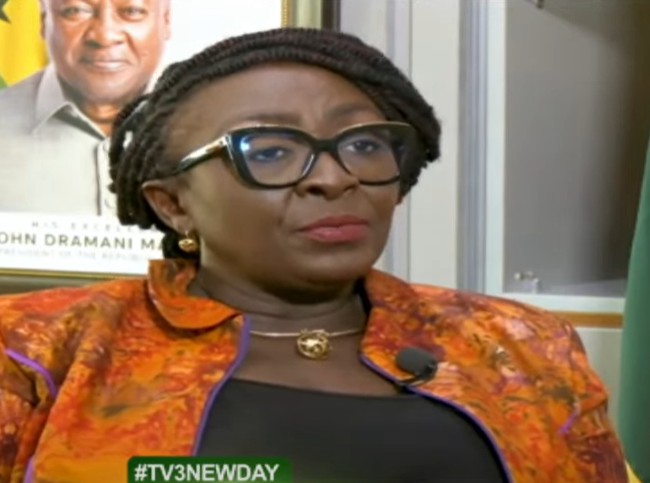
In another major development, Dzifa Gomashie said the Ministry is nearing completion of the UNESCO 2030 Culture Indicators Framework, which will provide reliable data on culture’s contribution to economic growth, social inclusion, education, governance, environmental sustainability, and community well-being.
The framework is expected to strengthen evidence-based policymaking, improve resource allocation, and support advocacy for increased investment in Ghana’s cultural and creative sectors.
She added that the Ministry is collaborating with the Ghana Statistical Service to collect data on cultural spending through tourism satellite accounts and international traveler surveys.
She expressed confidence that the cultural and creative sector has the potential to become a major pillar of Ghana’s economic transformation and called for greater support and investment to unlock its full potential.
The launch marks a significant step in Ghana’s efforts to leverage culture not only as a custodian of national identity and heritage but also as a strategic instrument for sustainable development and economic growth.
By Evelyn Tengmaa