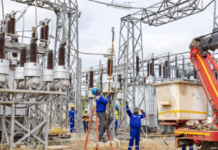

The Africa Sustainable Energy Centre (ASEC) has called for urgent reforms in Ghana’s power transmission infrastructure following the findings of an investigation into the recent fire outbreak at the Akosombo Substation.
In a statement issued after the release of the committee’s report, ASEC said the incident, which was attributed to insulation failure linked to ageing infrastructure rather than sabotage, should never have escalated into a major outage and must serve as a wake-up call for the country’s energy sec tor.
The energy policy think tank commended the investigation committee for its work and welcomed the Ministry of Energy and Green Transition’s commitment to implementing the recommendations contained in the report. However, it stressed that the incident exposed significant technical and structural deficiencies that require immediate attention.
According to ASEC, the fire highlighted the urgent need to strengthen transmission infrastructure, improve protection systems, enhance maintenance practices and bolster emergency response capabilities across the national grid.
The Centre argued that one of the key lessons from the incident is the need for routine infrared thermographic inspections at substations, transformers and cable systems to detect overheating, insulation deterioration and other faults before they result in catastrophic failures.
ASEC also called for the installation of modern fire detection and automatic fire suppression systems in critical power facilities. It said advanced technologies capable of detecting smoke and heat at an early stage could significantly reduce equipment damage and service disruptions during emergencies.
The organisation further expressed concern over findings that one transformer continued feeding the fault after another had already tripped, suggesting shortcomings in protection coordination and fault isolation mechanisms. It urged authorities to undertake a comprehensive review of relay settings and short-circuit coordination studies throughout the transmission network.
ASEC additionally highlighted the need for stronger redundancy measures across critical grid infrastructure, including backup communication systems, alternative power supplies and redundant transmission pathways to prevent localised faults from escalating into national emergencies.
The Centre also advocated a shift from reactive maintenance practices to predictive maintenance strategies supported by technologies such as artificial intelligence, condition monitoring systems, thermal imaging analytics and asset health management platforms. It argued that such technologies would enable operators to identify emerging faults before they result in major outages or equipment loss.
Describing the incident as a national wake-up call, ASEC said the power sector must seize the opportunity to modernise its maintenance culture, strengthen fire safety systems and improve the resilience of the electricity grid.
The organisation pledged its support to the Ministry of Energy, GRIDCo, ECG, VRA, Ghana Gas and other stakeholders in implementing reforms aimed at building a safer, more reliable and future-ready power system for Ghana.