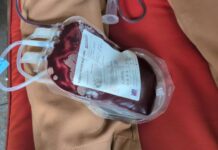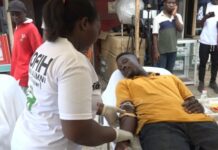

The Ministry of Health and the National Blood Service (NBS) have urged healthy Ghanaians between the ages of 17 and 60 to make voluntary blood donation a regular habit as the country continues to face an annual blood supply deficit of more than 100,000 units.
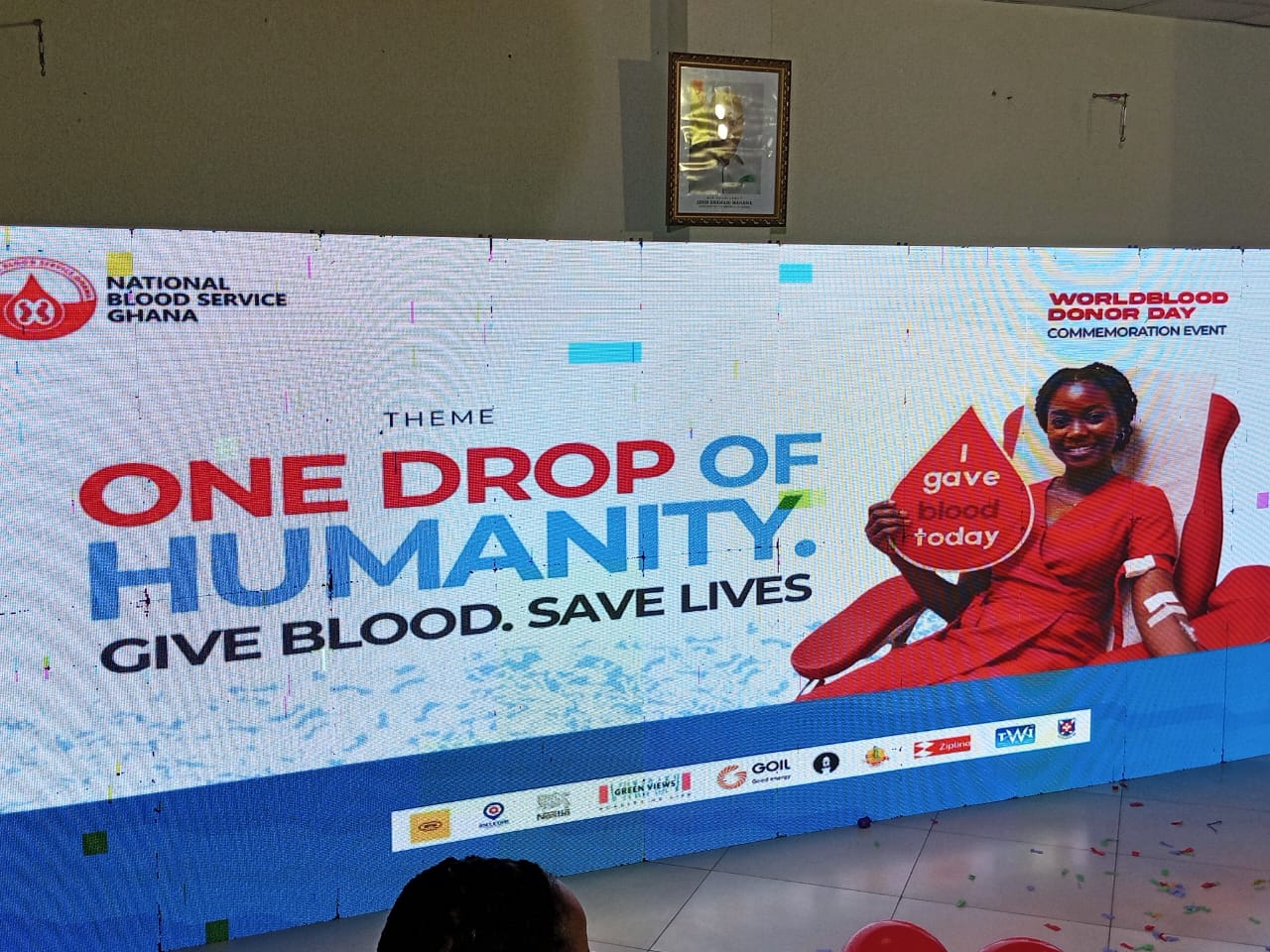
The appeal was made at the launch of the 2026 World Blood Donor Day activities in Accra under the global theme, “One Drop of Humanity. Give Blood. Save Lives.”
Speaking on behalf of the Minister for Health, Kwabena Mintah Akandoh, the Director of Allied Health at the Ministry of Health, Dr. Ignatius Awinibuno Abowini Nchor, disclosed that Ghana collected about 200,000 units of blood in 2025, despite a clinical demand of more than 300,000 units.
He noted that only 36 percent of the country’s blood supply comes from voluntary unpaid donors, far below the World Health Organization’s recommended benchmark of 80 percent.
Dr. Nchor warned that inadequate blood supply has serious consequences for emergency care, pregnancy-related complications, and major surgeries, stressing that access to safe blood remains a critical component of quality healthcare delivery.
He said government, through support from the Ghana Medical Trust Fund, will equip the National Blood Service and Regional Blood Centres with modern equipment for blood screening, processing, and storage to improve blood safety and availability across the country.
Dr. Nchor further appealed to traditional leaders, religious institutions, corporate organisations, and civil society groups to champion community blood donation drives and help increase voluntary donations nationwide.
The Chief Executive Officer of the National Blood Service, Dr. Shirly Owusu Ofori , In her remarks described voluntary blood donors as the “unsung heroes” of Ghana’s healthcare system, noting that a single unit of donated blood has the potential to save up to three lives.
She indicated that although Ghana’s Blood Collection Index has improved over the past five years, challenges including inadequate voluntary donors, limited infrastructure, misinformation, and dependence on family and paid donors continue to affect blood availability and safety.
Dr. Owusu Ofori said the National Blood Service remains focused on improving access, safety, and availability of blood and announced the launch of the “Drop Your Drop” QR code pledge initiative to encourage more Ghanaians to commit to regular blood donation.
She called on the public to turn their pledges into action by donating blood at nearby collection centres, adding that ensuring safe and adequate blood supply requires a collective national effort.
World Blood Donor Day is observed annually on June 14 to recognise voluntary blood donors and raise awareness about the importance of safe blood transfusion worldwide.