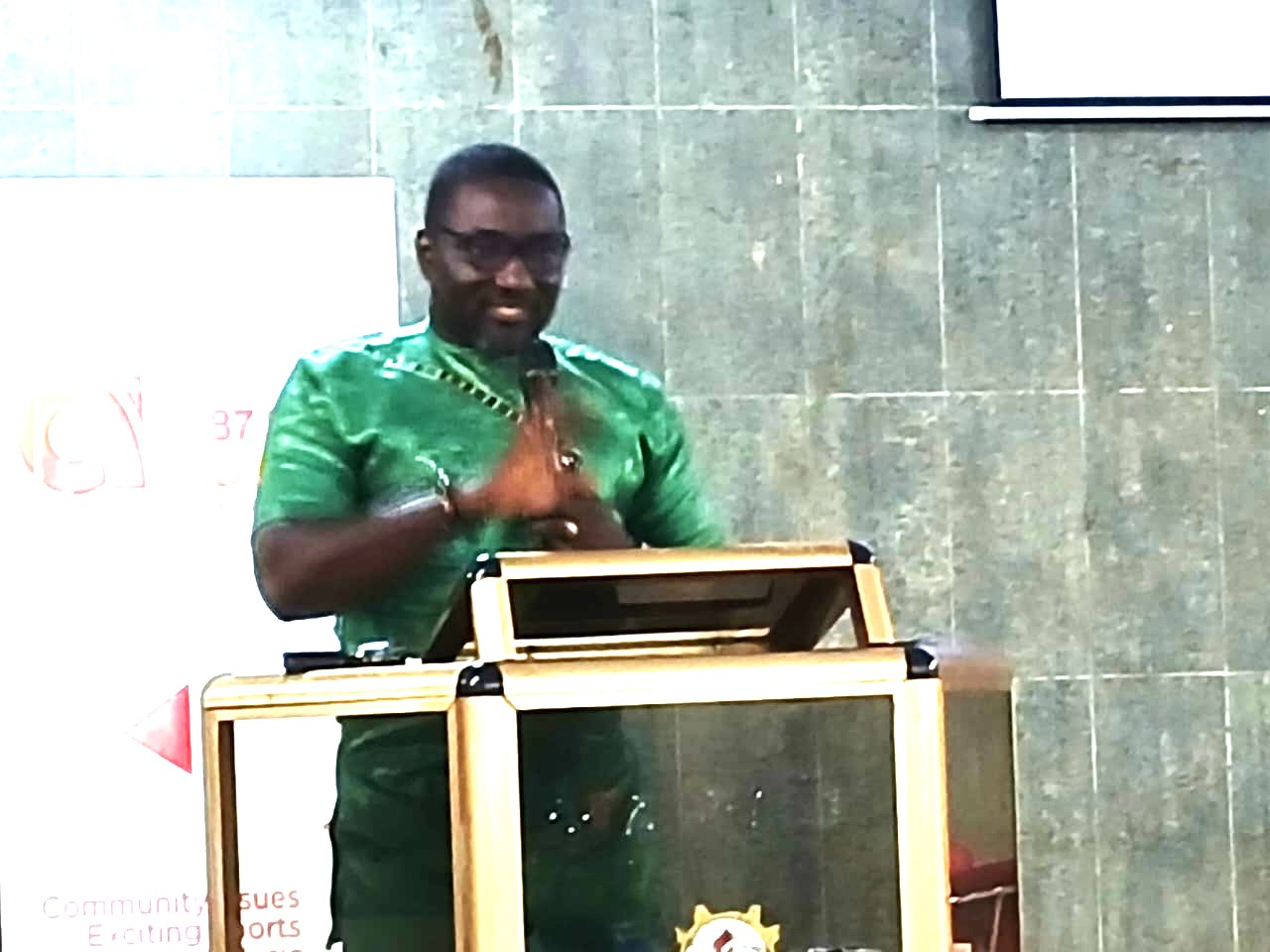

The Head of Station at Akoma FM, Ransford Nana Osei Asare, has called on student journalists to be observant in their communities in order to identify news story ideas.
Nana Osei Asare was speaking at the 2026 Media Entrepreneurs Conference in Kumasi Technical University (KsTU), on Wednesday, July 1, 2026.
Akoma 87.9 FM in collaboration with Liberal Studies Department, Mass Communication and Journalism Students Association of KsTU, organised the media entrepreneurs conference for journalism students.
The event was to equip emerging media leaders with practical investigative, factchecking, and multimedia skills.
The conference focused on training, mentorship. It brought together student journalists, researchers, and media leaders to discuss journalism innovation, data, and factchecking.
The initiative seeks to equip young journalists, storytellers, communicators, and campus media practitioners with the practical skills, ethical foundations, and digital tools needed to excel in today’s rapidly evolving media landscape.
The students were drawn Kumasi Technical University ( KsTU), Kwame Nkrumah University of Science and Technology (KNUST) and Multimedia Institute of Ghana(MIG).
Nana Osei Asare said the world would be in darkness without the presence of journalists and the media.
He urged the students to give out information that the ordinary person can understand.
“And in giving out information, you must give it out in a manner that the ordinary person on the street will understand. It’s not about the words you use, but it’s about how to present it in a manner that the ordinary person will understand,” he explained.
According to him, the event seeks to provide a strategic platform for dialogue and collaboration at a time when traditional media models are under significant strain.
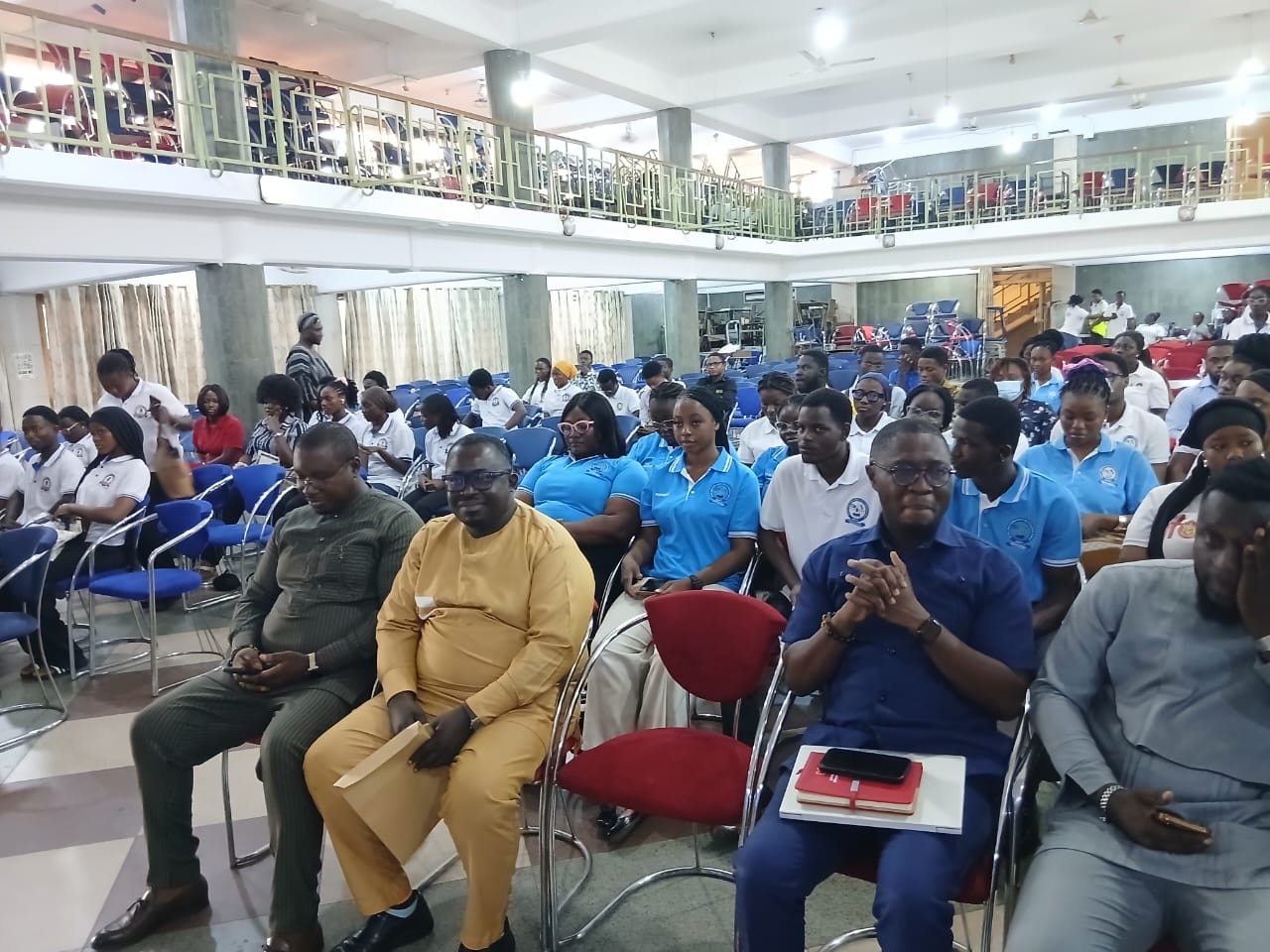
Speakers at the event included, Mr Kofi Adu Domfeh, Ashanti Regional Chairman of Ghana Journalists Association, Jonathan Tabiri Essel, Media scholar and lecturer at Wisconsin International University College, Mr Collins Atta Poku, Media personality, Lecturer and entrepreneur.
Others include Darlington Ampofo, Media Entrepreneur in start-ups, George K. Opoku, Media strategist, and Kwasi Boateng, Media Strategist. They engaged in critical discussions on the evolving interplay between traditional media, radio, television and print, and emerging digital technologies that are rapidly redefining how content is produced, distributed and monetised.
According to organisers, the conference is not merely diagnostic, but solution-oriented, designed to chart a forward-looking pathway for Ghana’s media ecosystem.
Central to the deliberations is the recognition that audience behaviour has shifted dramatically, compelling legacy media institutions to rethink their operational models or risk obsolescence.
The forum brings together a cross-section of stakeholders, including lecturers and deans from communication schools, newsroom leaders, regulators, digital entrepreneurs and final-year students preparing to enter the profession.
A dominant thread running through the conference is the widening gap between media education and industry practice.
Speakers were interrogated whether existing academic curricula adequately equip graduates with the practical, technological and ethical competencies required in a converged media environment.
There is a strong emphasis on fostering deeper collaboration between universities and media organisations, particularly through internships, joint research initiatives and curriculum reform. This, stakeholders argued, is essential to nurturing a workforce that is both industry-ready and innovation-driven.
Patron of Mass Communication Journalists Association at KsTU, Mrs Faustina Partey, was impressed about the turn of events.
Mrs Partey, who was the Chairperson, said the event aims to nurture a new generation of media professionals capable of impactful journalism that promotes accountability, inclusion, democratic values, transparency, and social development across all campuses and communities.
By Benjamin Aidoo