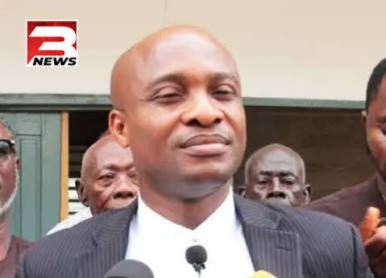

The Member of Parliament for Akwatia, Bernard Bediako Baidoo, has dismissed concerns over the proposed revival of public tribunals, insisting that the tribunals provided for under Ghana’s 1992 Constitution are fundamentally different from those that operated during the PNDC era.
Speaking on the debate surrounding the Public Tribunals Bill, Mr Baidoo said the Constitution expressly recognises public tribunals as part of Ghana’s judicial system.
“What we are seeing today is constitutionally provided for. Tribunals are part of our courts under the Constitution,” he said on July 18 on The KeyPoints.
According to him, the original tribunals are integrated into the Superior Courts, with the Chief Justice exercising supervisory authority over them.
“The Chief Justice is the head of the tribunals, not the President. I don’t know where this whole impression is coming from that tribunals are a separate system,” he stated.
The Akwatia MP argued that many critics were conflating the proposed tribunals with those that existed before the 1992 Constitution.
He explained that the framers of the Constitution deliberately integrated public tribunals into the mainstream judicial system to eliminate concerns about parallel justice systems.
Quoting from the report of the Committee of Experts that drafted the Constitution, Mr Baidoo said the decision was taken to ensure tribunals operated under the same constitutional framework as the courts.
“The 1992 Constitution took care of those fears. The PNDC tribunals are not the same as the tribunals under the Constitution,” he said.
He challenged opponents of the proposal to cite instances of abuse by constitutional public tribunals between 1992 and their abolition in 2002.
“Anyone should give me one incident of such abuses between 1992 and 2002. There is none,” he argued.
Mr Baidoo described attempts to link the current proposal to the PNDC era as politically motivated.
“Going back to the PNDC era is unfounded. It is politics,” he said.
The legislator also rejected claims that the bill was being rushed through Parliament, noting that it had undergone scrutiny by the Parliamentary Select Committee on Constitutional, Legal and Parliamentary Affairs, which includes members from both the Majority and Minority.
According to him, concerns raised by committee members were considered and several provisions were amended before the bill was laid before Parliament.
“The committee worked together. There was no dissent. The issues raised were captured and changes were made,” he said.
Mr Baidoo added that one contentious proposal requiring tribunals to sit daily had already been removed following the committee’s recommendations.
“We’ve taken that provision out. The final document will require trials to be expeditious, not necessarily held every day,” he explained.
He maintained that the tribunals are intended to speed up the prosecution of specific criminal cases, including illegal mining offences, where delays often undermine justice.
“Cases take years, witnesses disappear and evidence is lost. We are trying to ensure justice is delivered expeditiously,” he said.
By Christabel Success Treve