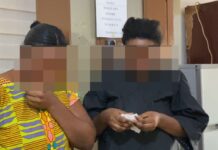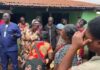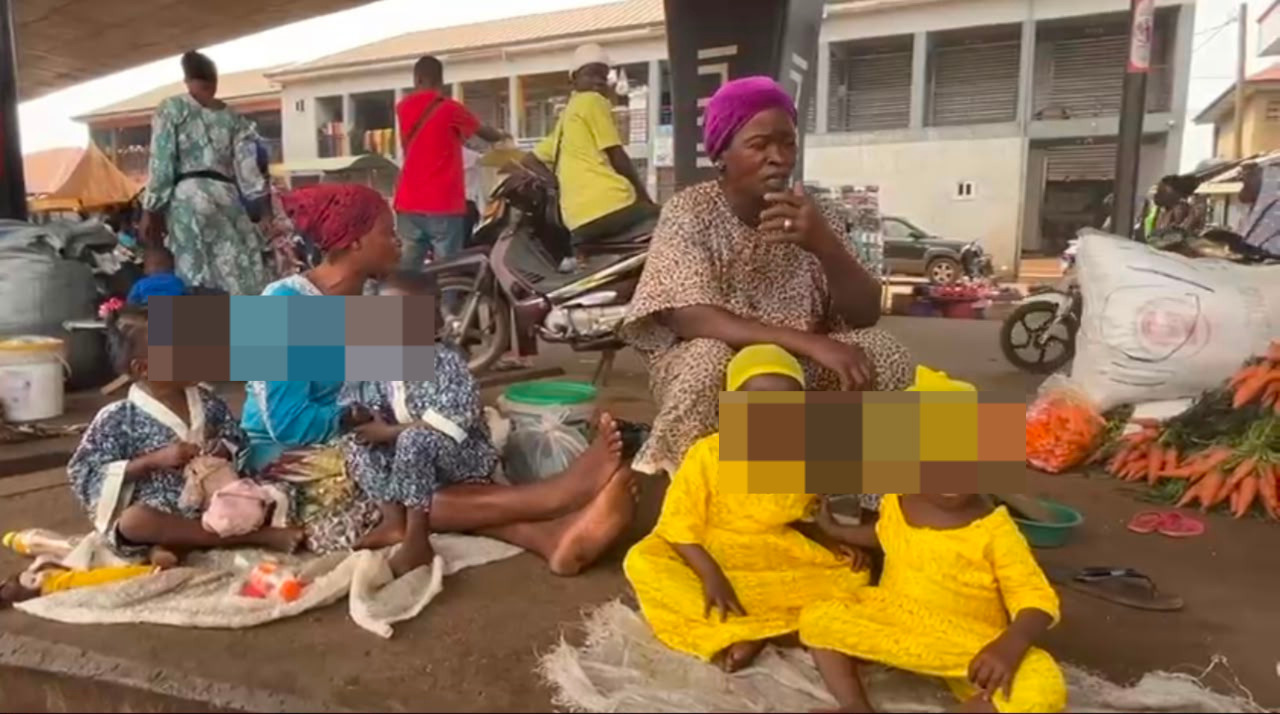

Every day at busy intersections and along Tamale’s main roads, small bowls sit before children whose faces are too young for the lines etched by sun and fatigue. At an age when most peers are learning alphabets or playing with friends, many children spend their days under scorching heat, their childhoods paused at the roadside.
They are twins, children whose arrival is often celebrated as a blessing, yet for some families, their presence on the streets has become a familiar reality.
Amina, is among the many mothers who spend their days here on the streets with her twins.
The mother of six says, life became tough when she delivered her twins and her husband advised her to go into begging to feed the children.
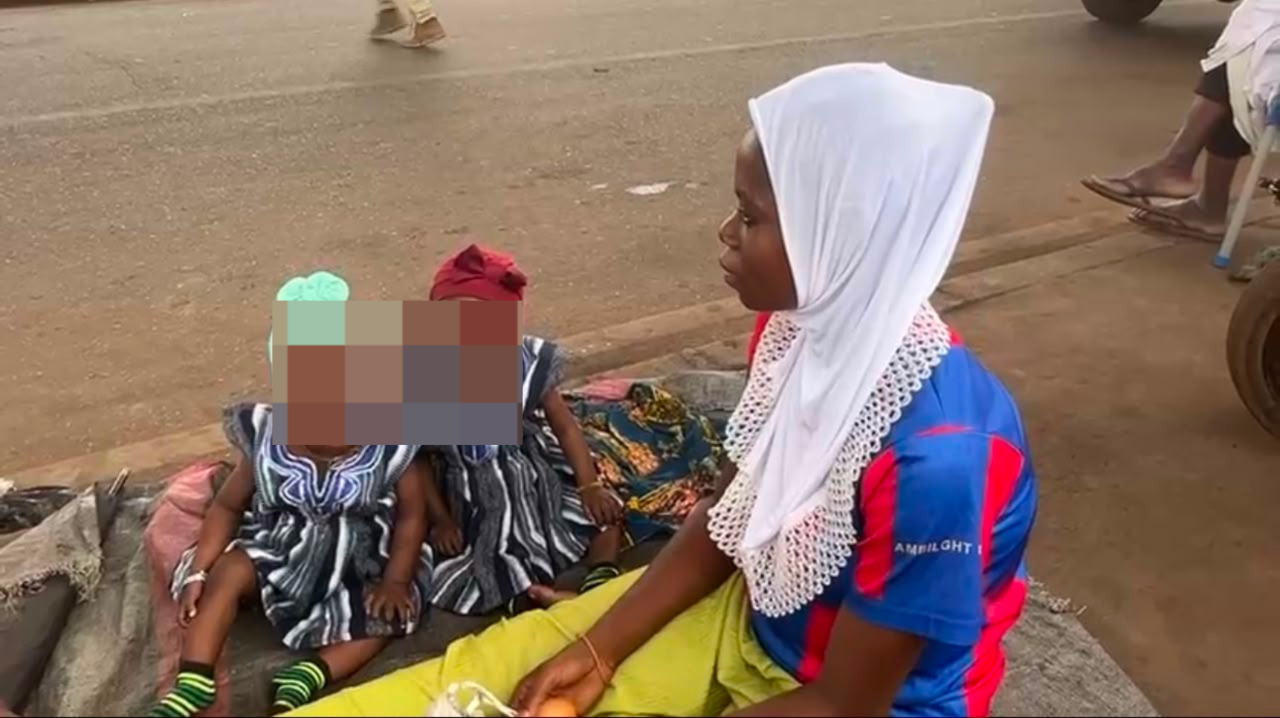
“The money from passersby helps me feed, clothe and care for my children”. For her and others, the streets are less a choice than a means of survival.
Like Amina, Fatima, says family beliefs influenced her decision to take her twins onto the streets.
“Elders told me begging would protect the children,” says Fatima. “They warned of misfortune if I kept them at home.” Five years on, she is still on the streets with the children begging.
Without a stable source of income, the education of hundreds of twins born end up on the streets without education and proper healthcare. Fatima fears she may never provide the education and healthcare her twins need.
The stories of Amina and Fatima highlight the complex mix of poverty, survival, and deeply held beliefs that continue to drive some mothers onto the streets. While some families point to longstanding customs surrounding twins, others say economic hardship leaves them with few alternatives.
Traditional leaders acknowledge long‑standing customs around twins, but stress that no culture should endanger children. “Childhood sickness or twin disturbance is not a justification for begging,” says a traditional leader in Tamale.
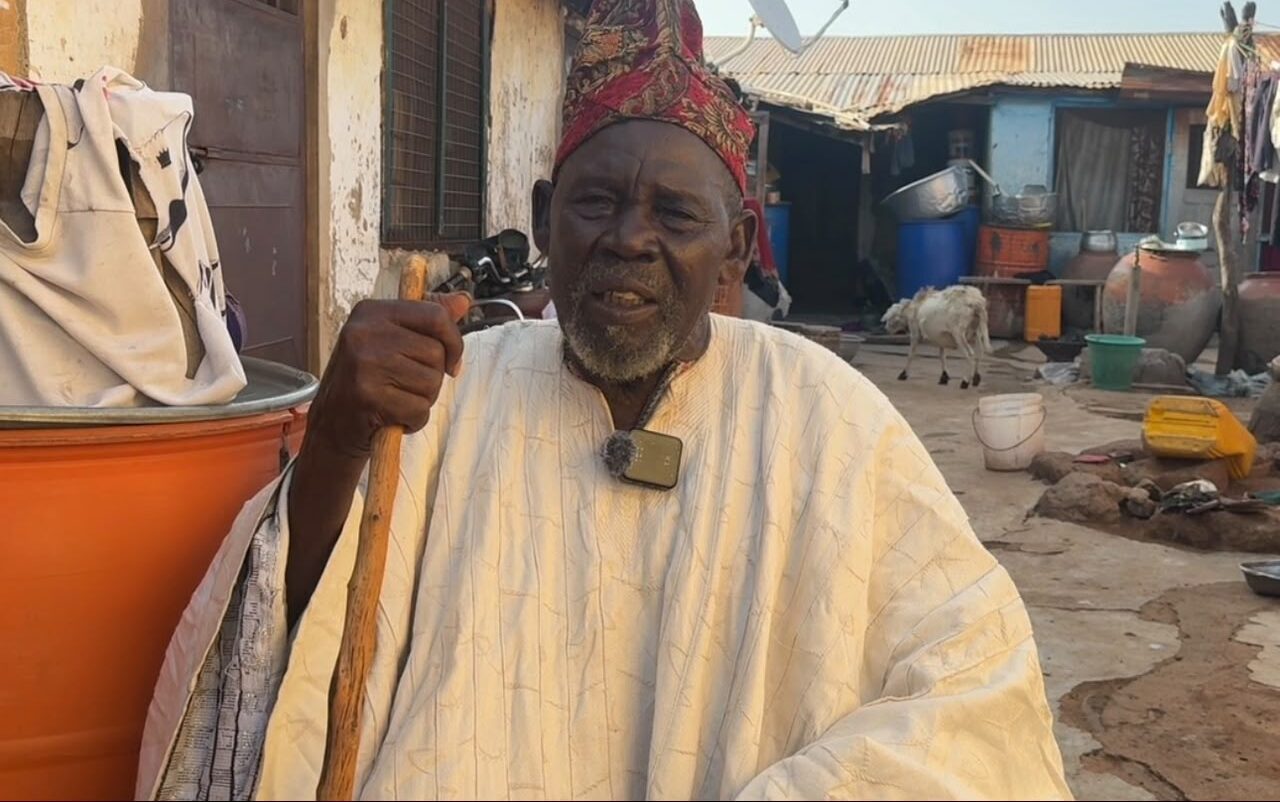
“No child willingly asks to be sent out for begging. It is usually the decision of the parents. Begging is harmful and has a lasting negative effect on a child’s life and future.”
Religious voices reinforce that view. Sheikh Issah Alhassan Abubakar, an Islamic scholar, says: “Islam does not require parents to seek alms for twins. Our faith teaches protection, care and dignity for every child.”
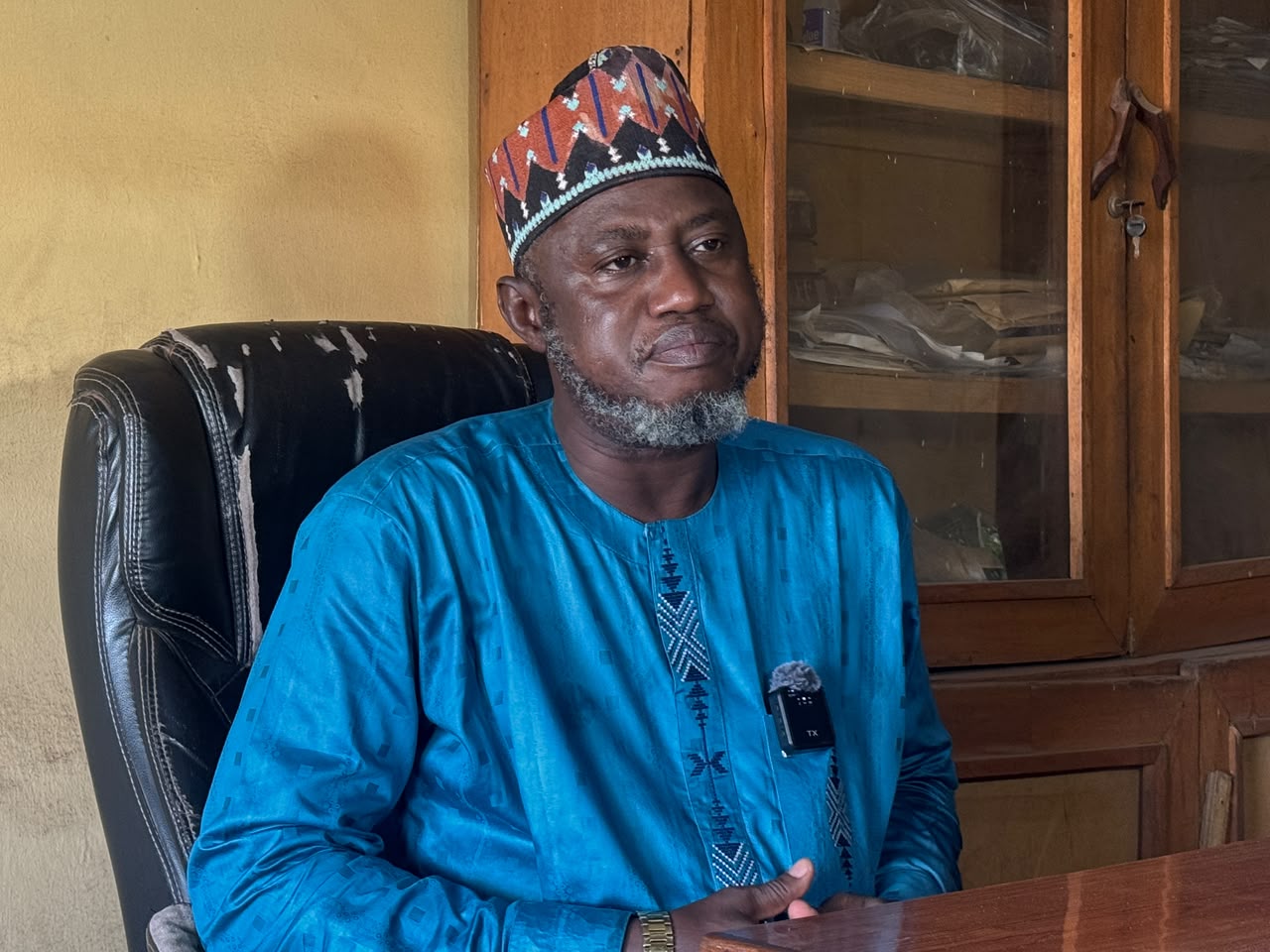
Child-welfare advocates place the largest share of blame on poverty. “Families do this because they have no other way to survive,” says Hajia Lamanatu Adam, executive director of Songtaba. “Children used for street begging are deprived of education, exposed to health risks and suffer psychological harm.”
She calls for vulnerable households to be enrolled in the Livelihood Empowerment Against Poverty (LEAP) programme and other social‑protection initiatives to reduce immediate hardship.
The situation raises concerns about Ghana’s efforts to achieve Sustainable Development Goal One, which seeks to end poverty in all its forms, and Sustainable Development Goal Four, which aims to ensure inclusive and equitable quality education for all.
Not every twin’s story follows this path. “Being born a twin is not a disadvantage,” says Tahidu Yussif, a successful professional and a twin. “What matters is the care children receive.” His childhood, free from street begging, shows how family support and opportunity matter.
He rejects the belief that twins must beg to avoid misfortune, describing it as a misconception adding that public education and sensitization are needed to help parents prioritize their children’s education and future.
Experts and community leaders point to a two‑pronged response: immediate social support for vulnerable families, and sustained public education to separate harmful customs from cultural identity. Suggested measures include expanding LEAP coverage, offering school‑fee waivers or stipends for twins, providing livelihood training for parents, and mobilising traditional and religious leaders in sensitisation campaigns.
For mothers like Amina and Fatima, the need is urgent: alternatives that let their children go to school, access healthcare and grow in safety. “I want my children to learn and be healthy,” Fatima says. “I only beg because I have no other choice.”
Until structural support reaches the most vulnerable households, many twins will remain visible reminders that birth can bring both blessing and burden and that the difference often lies in the opportunities given, not the fate they inherit.
Interior Minister assures public of street begging crackdown in other parts of country
By Nadrah Mohammed