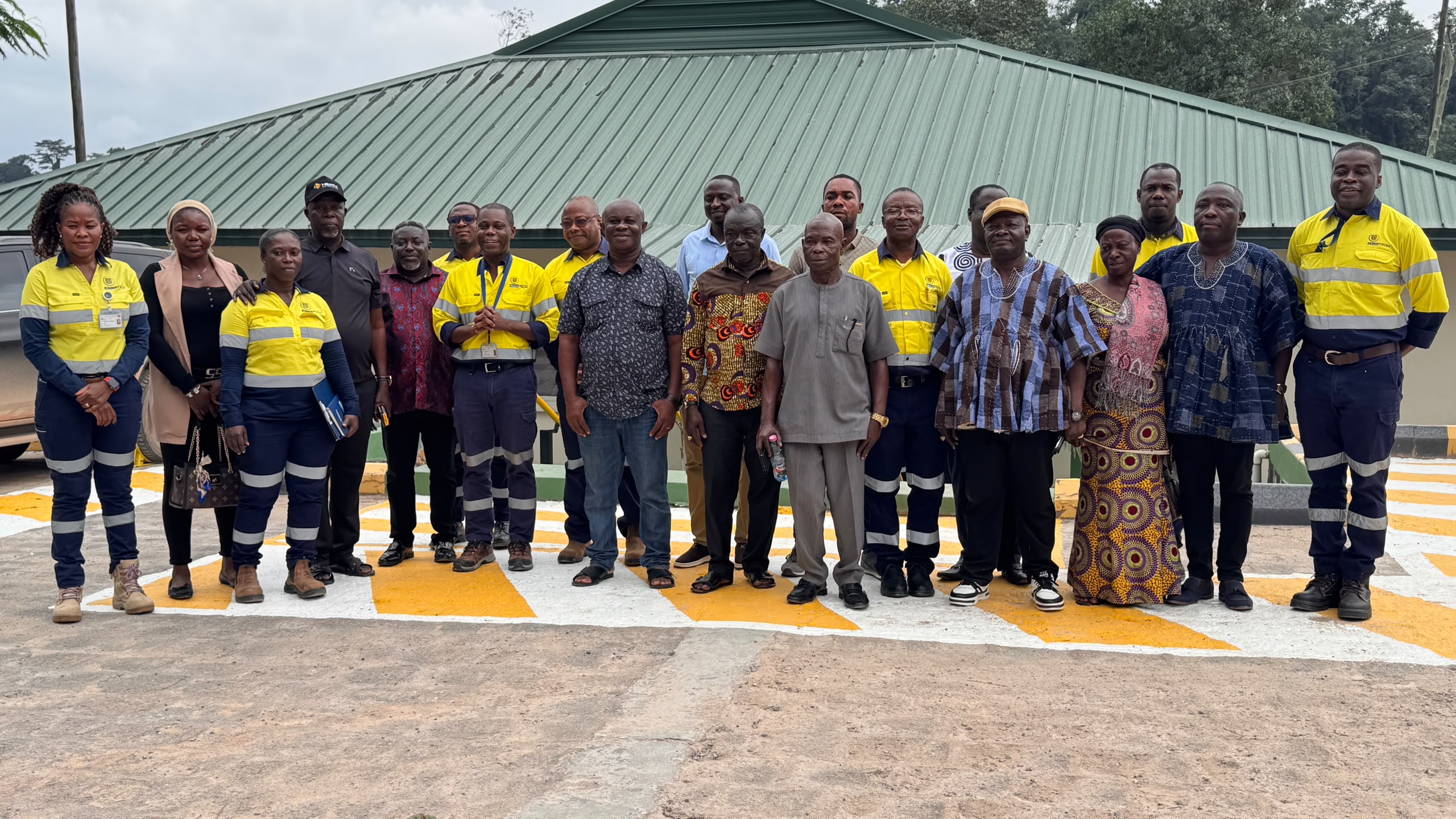

In a development that could shape the future of one of Ghana’s largest gold mining operations, approximately ten titled chiefs from the Apinto Divisional Stool conducted a comprehensive inspection of Gold Fields Ghana’s operational sites on Wednesday.
The visit comes at a pivotal moment, as the traditional landowners prepare to make a critical decision on whether to support the renewal of the company’s mining lease, which is set to expire in April 2027.
While the tour was framed as a routine engagement between the mining company and traditional authorities, its timing has elevated its significance amid intensifying public debate over Gold Fields’ mineral rights.
Speaking exclusively to 3news following the inspection, Gyasehene of the Apinto Divisional Stool, Nana Adarkwa Bediako, emphasized the importance of direct observation before reaching any conclusion.
“There’s been a lot of discussion about whether the mining lease should be extended or not. Before we can make any decision, we need to see things for ourselves. That is why we came to inspect the mine,” he explained.
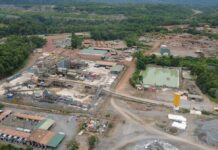
The traditional leader revealed that the tour provided eye-opening insights into the sheer scale of the mining concession.
“It is a vast land. The concession covers about 20,000 hectares and so far about 4,000 hectares have been exhausted. It is much bigger than many of us imagined, but we will discuss everything among ourselves before taking a final decision,” Nana Adarkwa Bediako stated.
Following their inspection, the chiefs are scheduled to convene and deliberate on their observations before announcing their official position at a press conference on Friday.
Their verdict is expected to carry substantial weight in the government’s consideration of the company’s application for a lease extension.
Should consensus prove elusive among the traditional rulers, the matter will be resolved through a formal vote.
Michael Akafia, immediate past President of the Ghana Chamber of Mines and Gold Fields Ghana Executive Vice President, characterized the visit as a vital stakeholder engagement rather than a response to the pending lease renewal.
“Obviously, everybody knows the times in which we are. There is a raging discussion about our mineral rights and their renewal, so people will naturally link this visit to that debate.
But for us, these engagements are part of a continuous process because the traditional authorities are key stakeholders and custodians of the surface rights,” Akafia explained.
According to Akafia, the inspection provided Gold Fields with an opportunity to demonstrate accountability across community development, environmental management, and local investment.
“It gives us the chance to show them what we have done in the communities, our environmental stewardship and the investments we have made. Gold Fields pioneered the establishment of a community foundation that ensures dedicated capital investment in host communities, and as part of our environmental, social and governance commitments, we intend to unlock even greater value for our stakeholders going forward,” he said.
Akafia disclosed that Gold Fields has maintained consistent dialogue with traditional authorities and other stakeholders through the Tarkwa Community Consultative Committee, which convenes quarterly to address issues affecting the mine and surrounding communities.
“We have carried our stakeholders along throughout this process. The traditional leaders understand the mine better than many people who comment from afar. They have seen the impact we have made through community investments, employment opportunities, procurement and other development initiatives,” he stated.
Expressing optimism ahead of Friday’s announcement, Akafia noted that the company’s track record presents a compelling argument for lease renewal.
“If we assess this based on the impact we have made in our host communities, we have no doubt that the verdict will support the extension of our lease. We believe there is a compelling case because the extension will enable us to unlock even greater benefits for the communities and all stakeholders,” he affirmed.
The Apinto Divisional Stool’s position is expected to significantly influence the ongoing discussions regarding the future of Gold Fields Ghana’s operations. As the customary owners of the land on which the mine operates, their decision will be closely monitored by government officials, the company, host communities, and the wider mining industry.
The outcome could set important precedents for how traditional land rights interact with large-scale mining operations in Ghana, potentially shaping the sector’s regulatory landscape for years to come.
By Ebenezer Atiemo