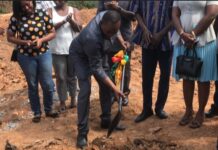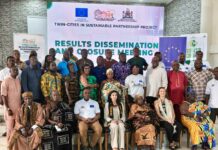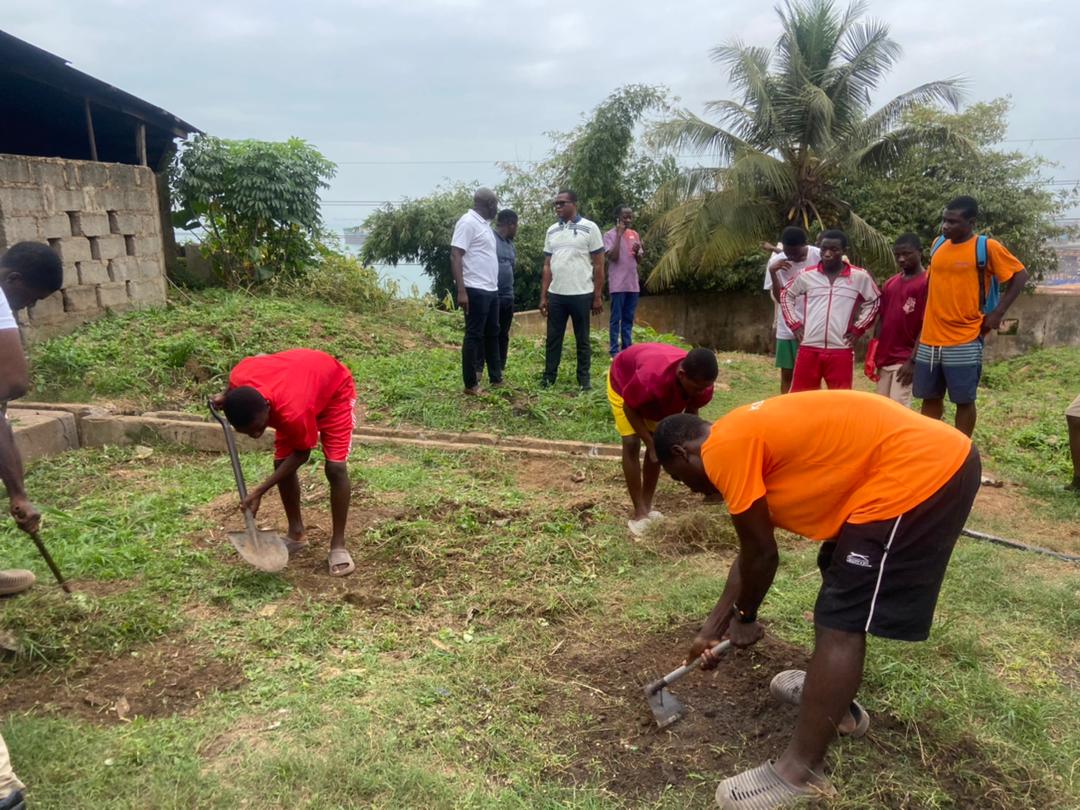

The Sekondi Takoradi Metropolitan Assembly (STMA) has taken a significant step toward sustainable energy, officially launching a pilot programme to install biogas digesters in selected Senior High Schools.
The initiative aims to curb rising fuel costs and tackle organic waste, positioning the metropolis at the forefront of Ghana’s green energy transition.
This groundbreaking project is a collaborative effort involving the STMA, Eco Africa Ghana, and the Deutsche Gesellschaft für Internationale Zusammenarbeit (GIZ).
By pooling local governance with international expertise, the partnership hopes to create a blueprint for environmentally friendly energy use across the Western Region.
At the heart of the project is innovative technology that converts everyday food scraps and kitchen refuse into renewable gas for cooking. The digesters are expected to deliver immediate and lasting benefits to the participating institutions:
· Cost Reduction: Schools will significantly cut their reliance on expensive Liquefied Petroleum Gas (LPG), drastically lowering the cost of meal preparation for thousands of students.
· Waste Management: By diverting organic waste from overflowing landfills, the schools will reduce their environmental footprint and improve on-site hygiene.
· Climate Action: The project aims to lower greenhouse gas emissions, contributing directly to global climate goals and creating a healthier atmosphere for students and staff.
Municipal Chief Executive, Fredrick Faustinus Faidoo, emphasized the strategic importance of the rollout, framing it as a natural step for a historically industrial hub.
“The Sekondi-Takoradi Metropolis has always been a pioneer in industrial development,” he stated during the launch. “It is only fitting that we now lead the way in sustainable energy adoption.
This biogas initiative is not just about reducing costs it is about building a culture of environmental responsibility that will inspire future generations.”
If the pilot proves successful, the Assembly intends to expand the programme to more schools and public institutions. A strict monitoring framework is already in place to track performance, financial savings, and environmental impact, ensuring the project’s viability for replication nationwide.
The initiative aligns with the United Nations Sustainable Development Goals (SDGs), specifically addressing:
· Affordable and Clean Energy (Goal 7)
· Quality Education (Goal 4)
· Sustainable Cities and Communities (Goal 11)
· Climate Action (Goal 13)
With technical support from GIZ and Eco Africa Ghana already on the ground, installation is currently underway at the selected schools.
Community stakeholders, including parents and local leaders, have been urged to support the project as the Assembly works toward building a greener, more prosperous Sekondi Takoradi for future generations.
By Ebenezer Atiemo