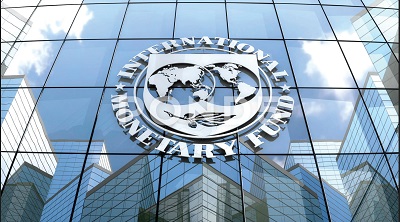

The International Monetary Fund (IMF) has commended Ghana after completing its three-year Extended Credit Facility (ECF).
In a post on the Fund’s website published Monday, July 27, 2026, it said, “Ghana’s performance under the programme has been broadly satisfactory.”
“Since program approval, substantial gains have been achieved in macroeconomic stabilization and debt sustainability, with inflation falling sharply, reserves nearly doubling by 2025, the primary fiscal balance swinging to a surplus, and the risk of debt distress returning to moderate,” it added.
According to the Fund, Ghana’s ability to sustain growth during the Policy Coordination Instrument (PCI) will create private sector growth, providing a platform to address debt sustainability and development challenges.
“Sustained implementation of the reform agenda under the new PCI will be essential to entrench macroeconomic stability and support inclusive, private sector-led growth, while creating space to address Ghana’s development needs consistent with debt sustainability.”
The IMF also stressed that the promulgation of the Conduct of Public Officials Bill will aid transparency and accountability, helping to address the incessant corruption that has bedeviled the nation over the years.
The Bill, it added, will bolster public trust as part of sustaining progress on governance.
“Looking ahead, safeguarding financial stability warrants decisive corrective measures, robust supervision, and finalization of the crisis management and resolution framework. Sustained progress on governance—including timely enactment of the reformed Conduct of Public Officials bill—will further bolster transparency, accountability, and public trust.”
The commendation comes after Ghana successfully exited its 17th IMF bailout programme, marking a significant milestone in the country’s economic recovery.
The $3 billion Extended Credit Facility (ECF) programme, approved in 2022, has helped Ghana stabilise its economy and lower debt risks. The programme’s completion unlocks a final disbursement of $371 million, bringing the total support to $3 billion.
The IMF’s Deputy Managing Director, Bo Li, praised Ghana’s performance, citing sustained reform efforts and favorable commodity prices as key factors in the country’s progress.
Ghana’s economy has shown improvements, including reduced inflation, a strengthened cedi, and increased gross international reserves, which reached $14.5 billion as of February 2026, representing almost six months of import cover.
The Ghana Government has expressed gratitude to creditors and investors, emphasizing fiscal discipline and reforms as crucial to Ghana’s economic progress. Finance Minister Dr. Cassiel Ato Baah Forson, stated that Ghana doesn’t expect to return to the IMF for another bailout, shifting from a recipient to an equal policy partner.
Some Ghanaians, are, however, skeptical, given the country’s history of broken promises.