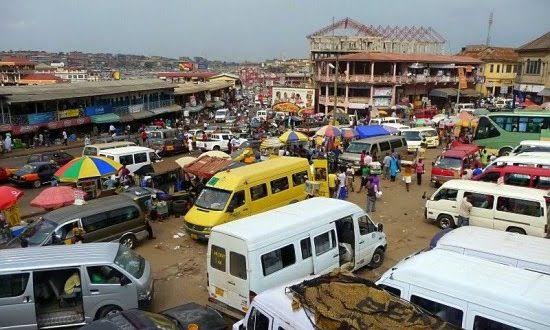

Transport unions have suspended their planned 30 per cent increase in transport fares following a closed-door meeting with the Ministry of Transport, pending the next petroleum products pricing window on Friday.
The decision comes after commercial transport operators threatened to increase fares, citing rising fuel prices and increasing operational costs that have put pressure on their businesses.
Speaking after the meeting, the Deputy Public Relations Officer of the Ghana Private Road Transport Union (GPRTU), Samuel Amoah, said the unions had presented their concerns to the ministry, which assured them that efforts were underway to reduce fuel prices.
“The meeting was about the proposed transport fare increment before the increment of petroleum products and other components that we use to run our businesses. We explained things to the ministry, and they also gave us their word,” he said.
According to Mr. Amoah, the unions urged the government to intervene to bring down fuel prices, arguing that this would ease the burden on transport operators and commuters.
“Our proposal was for the government to try to see to it that fuel prices will come down, and they told us that they have heard us and are working to ensure fuel prices will drop,” he added.
He said after extensive discussions, both sides agreed to put the proposed fare adjustment on hold.
“So there was a long deliberation, but we finally agreed that we will hold off on the increase. But our own investigation proved that we will likely see another fuel price increase in the next pricing window,” he said.
He cautioned that should fuel prices increase again, the transport unions would return to the negotiating table, as drivers may no longer be able to absorb the rising operational costs.
“If it happens that the fuel price goes up again, we will still approach them because if it goes up again, it will be difficult for the drivers to contain the pressure,” he stated.
The suspension means transport fares will remain unchanged for now as operators await developments in the upcoming fuel pricing review and any government measures aimed at easing the cost of petroleum products.