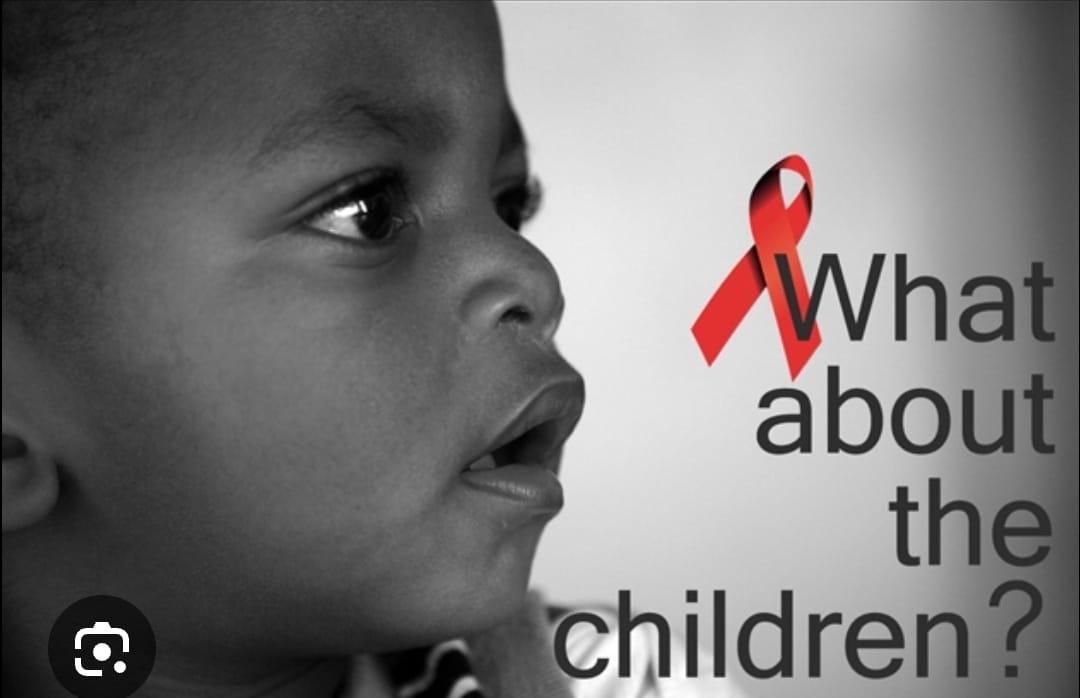

Growing cuts to international HIV/AIDS funding is threatening to reverse years of progress in Africa, with children among those most at risk.
The warning comes as health experts raise concern over a widening gap in access to HIV testing and treatment for children. Globally, 1.2 million people acquired HIV in 2025 and 570,000 died from AIDS-related illnesses, according to UNAIDS.
The agency warns that without urgent action, millions more could become infected by 2030.
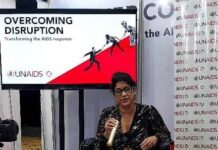
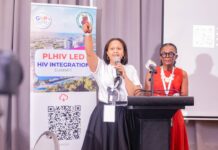
During an interview on the sidelines of the26th international AIDS conference in Brazil, Dr. Doris Macharia, President of the Elizabeth Glaser Pediatric AIDS Foundation, says children are the “canary in the coal mine” of the HIV response because rising infections and declining treatment coverage among children can signal wider weaknesses in health systems.
“The abrupt reductions in funding are already affecting programmes that identify, treat and monitor children living with HIV, particularly in African countries.’’
Ghana is not insulated from these pressures. The country has made significant progress in HIV prevention and treatment, but children continue to face major gaps in access to care. Recent national estimates indicate that more than 18,000 children are living with HIV, while new paediatric infections continue to occur.
Health experts say disruptions to funding could affect testing of pregnant women, early diagnosis of exposed infants, access to antiretroviral medicines and the follow-up needed to keep children on treatment.
Dr. Macharia says the situation also raises concerns about children who may no longer be reached by health systems because of weakened programmes and data systems.
She argues that eliminating mother-to-child transmission is still achievable. Countries including Botswana and Brazil have demonstrated that with sustained investment, effective testing and treatment, HIV transmission from mothers to their babies can be stopped as a public-health problem.
For Ghana, maintaining those gains will require continued investment in prevention, early infant diagnosis, treatment and reliable health data.
The concern is that when funding declines, the effects may not be immediately visible but children who are missed today could become tomorrow’s new infections.
NGO takes campaign against spread of HIV/AIDS to the beach; urges domestic funding