
Vice President, Prof. Jane Naana Opoku-Agyemang, has called on Africans to abandon dependency and take greater ownership of the continent’s development, saying Africa must move beyond having an “Africa we want” to building “an Africa we work for.”
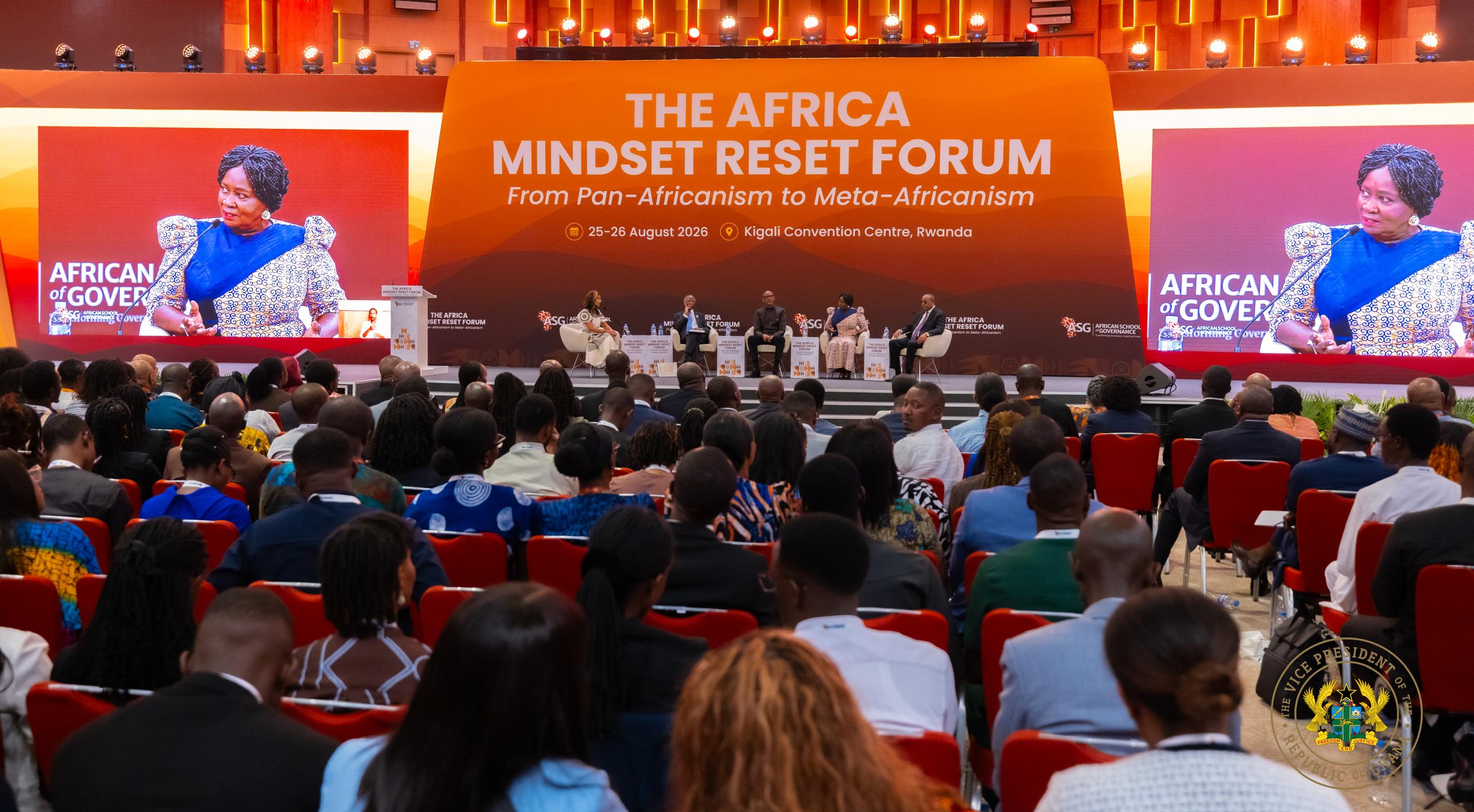
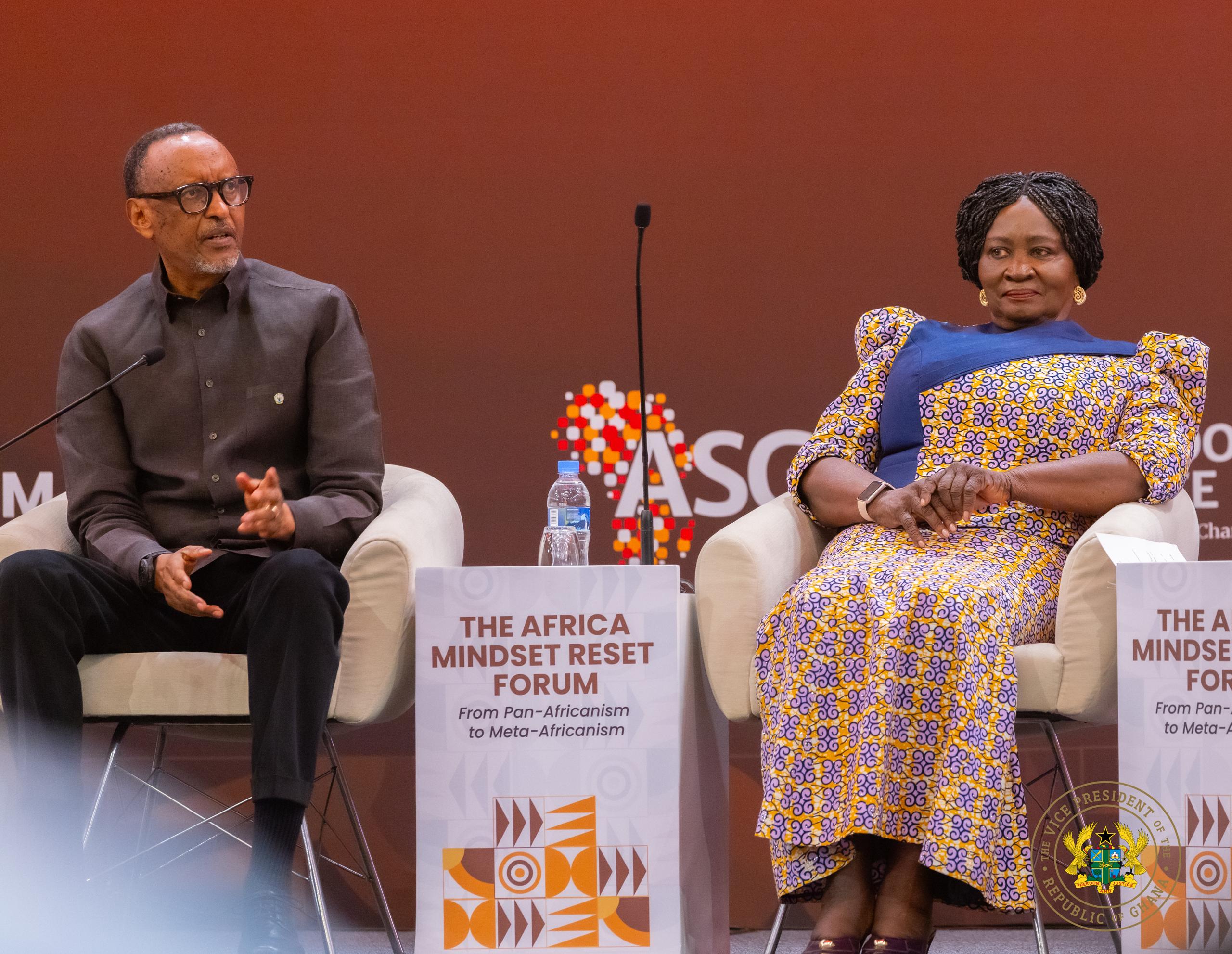
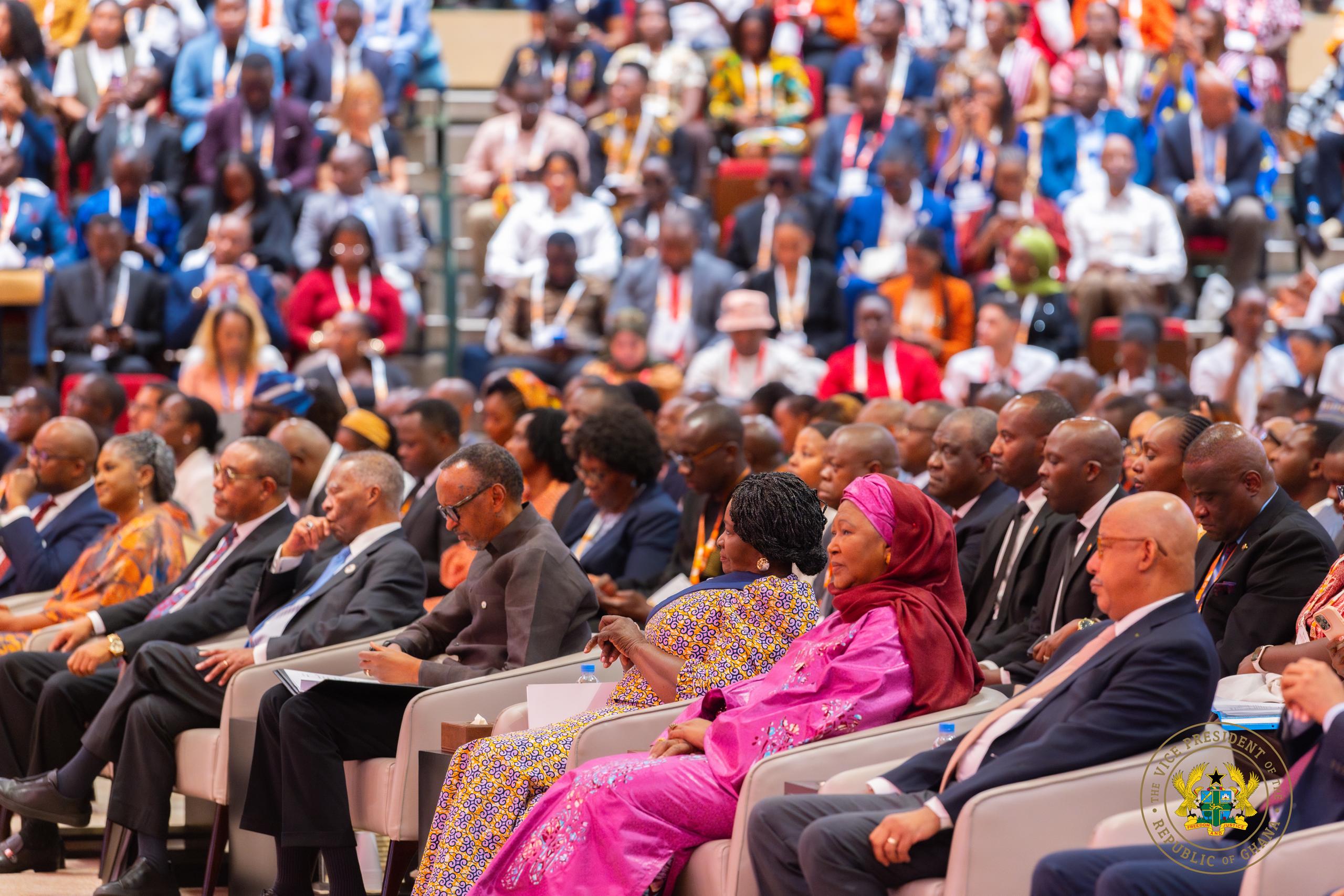
She made the call in Kigali, Rwanda, during the African Mindset Reset Forum on August 25, where she joined a deep-dive conversation with Rwanda’s President, Paul Kagame, former Ethiopian Prime Minister, and former South African President, Thabo Mbeki.
Prof. Opoku-Agyemang said the continent’s development challenges could not be explained simply by a lack of policies, plans, resources or human potential.
She questioned who has historically told Africa’s story and who has been allowed to define what Africans can become.
According to the Vice President, taking charge of Africa’s future requires a fundamental shift from reliance on others to confidence in African expertise, institutions and capabilities.
She challenged the argument that Africa lacks the expertise needed to solve its development problems, asking why African countries could not train their own young people to become the experts required to drive transformation.
Prof. Opoku-Agyemang also questioned the persistent claim that African countries lack the equipment and resources needed for development, urging policymakers to compare the cost of acquiring such capacity with the resources already spent supporting external systems.
She linked the call for self-reliance to the ideals of Pan-Africanism, describing the movement as a historic expression of continental unity built around the principle that Africans could come together and solve their own problems.
She also called for a rethink of how African education systems and curricula are designed, saying education should equip young Africans not only with knowledge but also with the confidence and capacity to address the continent’s challenges.
The Vice President acknowledged that African countries and institutions were not perfect but said progress should not be abandoned because of existing shortcomings.