
Special Envoy to the Sahel States, Lt. Gen. (Rtd.) Larry Gbevlo-Lartey, has called for a comprehensive assessment of Ghana’s Vigilantism and Related Offences Act, 2019 (Act 999), to strengthen the country’s democratic institutions and security architecture.
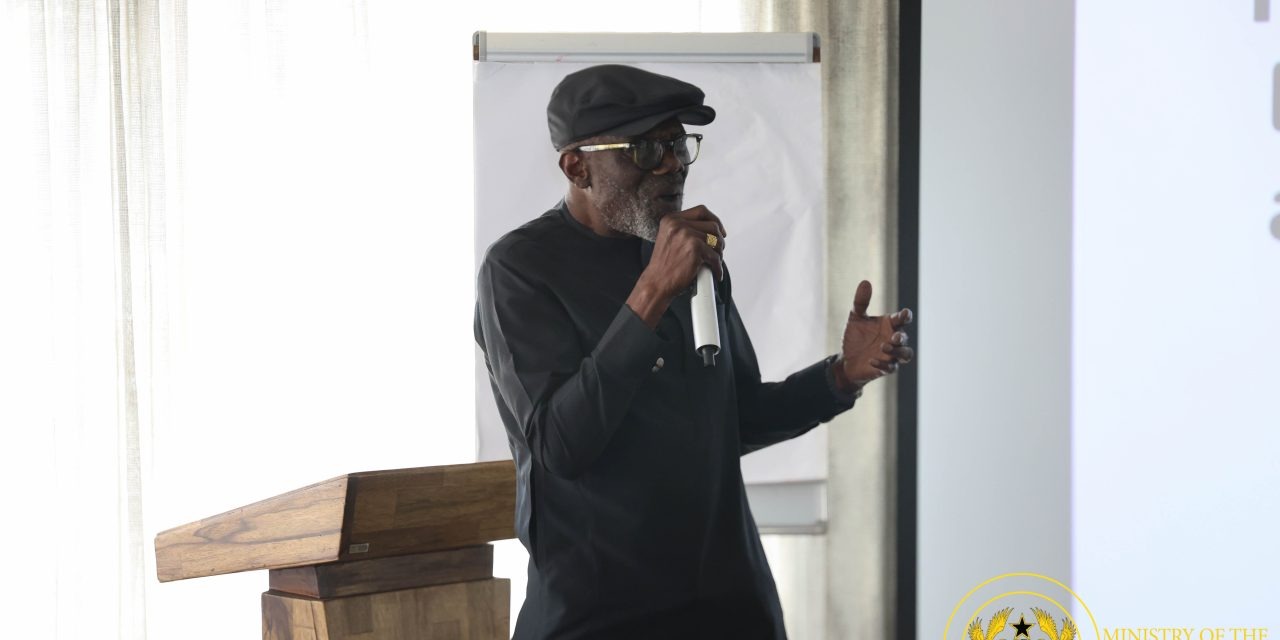
Speaking on behalf of the Chief of Staff, Julius Debrah, at the National Policy Dialogue in Accra, on Vigilantism organised by Election Watch Ghana, Mr Gbevlo-Lartey said the forum should serve as a civic audit of the implementation and effectiveness of the legislation.
The dialogue, held at the Kofi Annan International Peacekeeping Training Centre, brought together national leaders, security experts, legal practitioners and civil society actors to examine the country’s response to political vigilantism.
Mr Gbevlo-Lartey said Parliament’s passage of Act 999 was a clear declaration that the state would not tolerate parallel security structures or organised intimidation in Ghana’s political processes.
He said the legislation was introduced in response to the emergence and proliferation of non-state armed groups, particularly groups associated with political parties.
According to him, the policy dialogue should not become an avenue for political recrimination but should focus on identifying practical measures to protect Ghana’s democratic order.
“As chairman of the occasion, I view today’s dialogue not as an exercise in political recrimination, but as a vital civic audit,” he said on August 25.
He stressed that the effectiveness of any law depended on its practical implementation, institutional enforcement and ability to inspire public confidence.
Mr Gbevlo-Lartey said democratic governance could only flourish where the rule of law prevailed and political competition was based on ideas and persuasion rather than physical intimidation.
He urged participants to critically examine the achievements recorded since the enactment of Act 999, while identifying legal, operational and institutional bottlenecks that may be undermining its implementation.
He said the assessment should be conducted from a national rather than partisan perspective because vigilantism posed a threat to the entire republic.
“Vigilantism is a threat to the entire republic, not a civil policy, not just a single political party,” he said.
He therefore urged participants to place Ghana’s long-term stability above short-term political interests.
Mr Gbevlo-Lartey also challenged the dialogue to move beyond identifying threats and challenges and develop concrete and measurable recommendations.
He said the recommendations should strengthen the resilience of Ghana’s democratic institutions, security services, political parties and civil society against vigilantism.
He noted that Ghana’s reputation as a model of democratic stability in Africa had been built through decades of institutional development, deliberate efforts and the collective wisdom of its citizens.
“Protecting that legacy requires constant vigilance and institutional power,” he said.
He expressed hope that the discussions would produce practical and constructive outcomes to guide efforts to safeguard Ghana’s democratic order and national security.