
Ghana Water Limited (GWL) recorded a 49.2% non-revenue water (NRW) rate in the first quarter of 2026, exceeding the regulatory benchmark of 43%, according to the Public Utilities Regulatory Commission (PURC).
A PURC assessment of Ghana’s urban water sector for the first quarter of 2026 identified non-revenue water as the sector’s most significant operational challenge, with only three of GWL’s 13 operational regions meeting the regulatory benchmark.
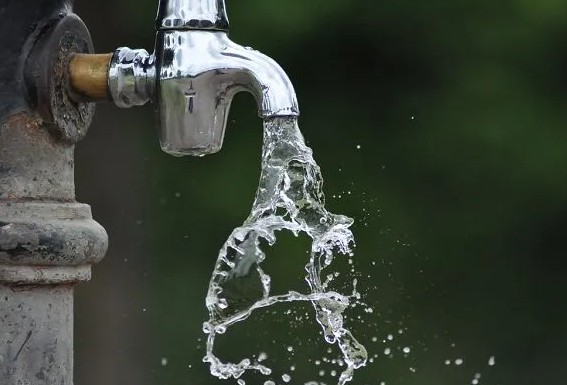
Non-revenue water refers to water produced by a utility but lost before it reaches consumers or is billed, including losses resulting from leakages, illegal connections, metering inaccuracies and other operational inefficiencies.
The PURC report released in September 2026 said national water production increased marginally by 1.0%, from 86.97 million cubic metres in the first quarter of 2025 to 87.88 million cubic metres during the same period in 2026.
Water sales, however, recorded a stronger growth of 3.7%, increasing from 43.10 million cubic metres to 44.68 million cubic metres.
According to the Commission, the faster growth in water sales compared to production suggests an improvement in the proportion of water produced that is converted into billed or sold water.
Despite the improvement in water sales, the PURC said NRW performance remained a major concern.
Only Central, Upper West and Brong Ahafo recorded NRW levels below the 43% regulatory threshold.
Central recorded the best performance at 25.4%, followed by Upper West at 29.6% and Brong Ahafo at 39.4%.
The remaining 10 operational regions exceeded the regulatory benchmark.
Western recorded the highest NRW rate at 66.1%, followed by Accra West at 57.2% and Tema at 56.8%. The three regions exceeded the regulatory benchmark by 23.1, 14.2 and 13.8 percentage points respectively.
The PURC said the performance of these regions warrants “priority loss-reduction interventions.”
Accra-Tema dominates production
The report also highlighted the concentration of water production within the Accra-Tema Metropolitan Area (ATMA).
Of the total amount, 87.88 million cubic metres of water produced nationally during the first quarter, ATMA accounted for 55.48 million cubic metres, while Ashanti recorded 10.19 million cubic metres.
The Commission said the concentration of production within the ATMA system means that “improvements in operational efficiency, distribution management and loss reduction within the Accra-Tema system could have a significant effect on GWL’s overall performance.”
Water sales
GWL recorded total water sales of 44.68 million cubic metres during the first quarter of 2026.
The sales were concentrated in the country’s three major metropolitan operational areas, with Accra East, Tema and Accra West accounting for the largest volumes.
The Commission’s assessment is expected to inform interventions aimed at reducing water losses and improving the operational and financial performance of GWL.