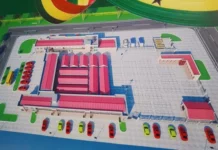

The Weija-Gbawe Municipality is set to get a modern 24-hour market complex to boost local economic activity, improve trading conditions, and create jobs for residents.
The sod-cutting ceremony was performed by the Deputy Minister for Local Government, Chieftaincy and Religious Affairs, Rita Naa Odoley Sowah, together with the Municipal Chief Executive for Weija-Gbawe, Felix Odartey Lamptey, and traditional leaders of the area.
According to the Assembly, the new market is strategically located to serve communities across the entire municipality and beyond.
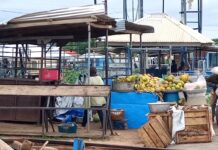
Once completed, it is expected to provide a modern, safe and well-organized trading environment for traders, reduce street hawking, create employment opportunities especially for women and the youth, and stimulate the local economy.
Speaking at the ceremony, Rita Naa Odoley Sowah said the project aligns with government’s commitment to improving local economic infrastructure and advancing the 24-hour economy agenda at the district level.
“This market will not only provide a place to trade but will create opportunities for our people to work and earn income around the clock,” she noted.
Call for Quality and Community Ownership
The Deputy Minister charged the contractor to ensure quality, durable and timely delivery of the project to guarantee value for money.
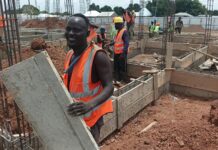
She also appealed to residents, particularly the youth, to support the project by protecting construction materials and equipment on site, and to take ownership of the development.
Hon. Felix Odartey Lamptey, MCE for Weija-Gbawe, expressed appreciation to government and the Ministry for supporting the Municipality’s development agenda, saying the market will transform trading and enhance revenue mobilization for the Assembly.
Traditional leaders present welcomed the project and pledged their support for its successful completion.
The 24-hour market complex forms part of broader efforts by the Ministry of Local Government, Chieftaincy and Religious Affairs [MLGCRA] to strengthen local economies through improved market infrastructure, better opportunities for traders, and job creation at the district level.
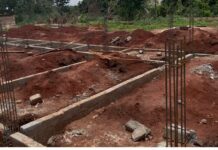
Construction is expected to commence immediately, with stakeholders optimistic about its impact on livelihoods and economic growth in Weija-Gbawe.