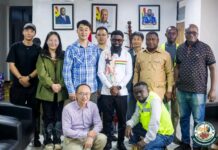

The Ghana Integrated Aluminium Development Corporation (GIADEC) and RUSAL, one of the world’s largest aluminium producers, have agreed to develop bauxite mining and processing operations in Ghana.
The scope of the key terms includes an obligation on the part of RUSAL to build an alumina refinery with an annual capacity of 1.2 million tonnes. The agreement was signed in Moscow during the Russia-Africa Forum.
According to a statement issued by the Acting Chief Executive Officer, Reindorf Twumasi Ankrah, the project envisages the construction and operation of an alumina refinery with an annual capacity of 1.2 million tonnes, using bauxite from the Nyinahin deposit. The refinery will be powered by natural gas.
Mr Ankrah said the projects will be implemented through two joint ventures – Nyinahini Bauxite Ltd and Ghana Alumina Company.
“RUSAL will provide financing for the projects and hold a majority stake in each company. The refinery project is estimated to cost over $1.5 billion and is expected to take about 36 months to complete,” he stated
“The agreement fully aligns with GIADEC’s goal of establishing an integrated aluminium industry in Ghana that will enable us to process our bauxite domestically. In RUSAL, a company with extensive technological expertise and many years of successful experience in Africa, we have found a partner capable of delivering on these objectives. The Nyinahin projects will bring investment, thousands of jobs, improvements to rail and port infrastructure, and new opportunities for Ghanaian businesses,” the CEO of GIADEC noted.
Commenting on the deal, Chief Executive Officer of RUSAL, Evgeny Nikitin said, “Our agreement with GIADEC marks an important step in implementing RUSAL’s strategy to strengthen its own raw material base. Ghana has some of the largest undeveloped bauxite reserves in West Africa, and we see an opportunity to establish an integrated production chain here – from mining 5 million tonnes of ore per year to producing 1.2 million tonnes of alumina.”
“RUSAL has been operating in Africa for more than 20 years, and this experience will enable us to implement the Ghanaian projects efficiently, from design through to reaching full production capacity,” RUSAL’s spokesperson added.
The collaboration also envisages joint exploration of some newly identified hills within the Bono, Western, Ashanti and Eastern Regions of Ghana to determine the commercial viability of the reserves in those areas.
The projects envisage broad participation by the Ghanaian side in addition to its equity stake in the joint ventures. This will include job creation during construction and operations, the involvement of local contractors and suppliers, and the development of transport infrastructure in Ghana, which will provide a boost to the local economy.