
The growing tensions surrounding chieftaincy affairs in the Eastern Nzema Traditional Area of the Ellembelle District have triggered calls for urgent government intervention, with traditional leaders warning that alleged political interference and escalating confrontations could undermine peace and development in the area.
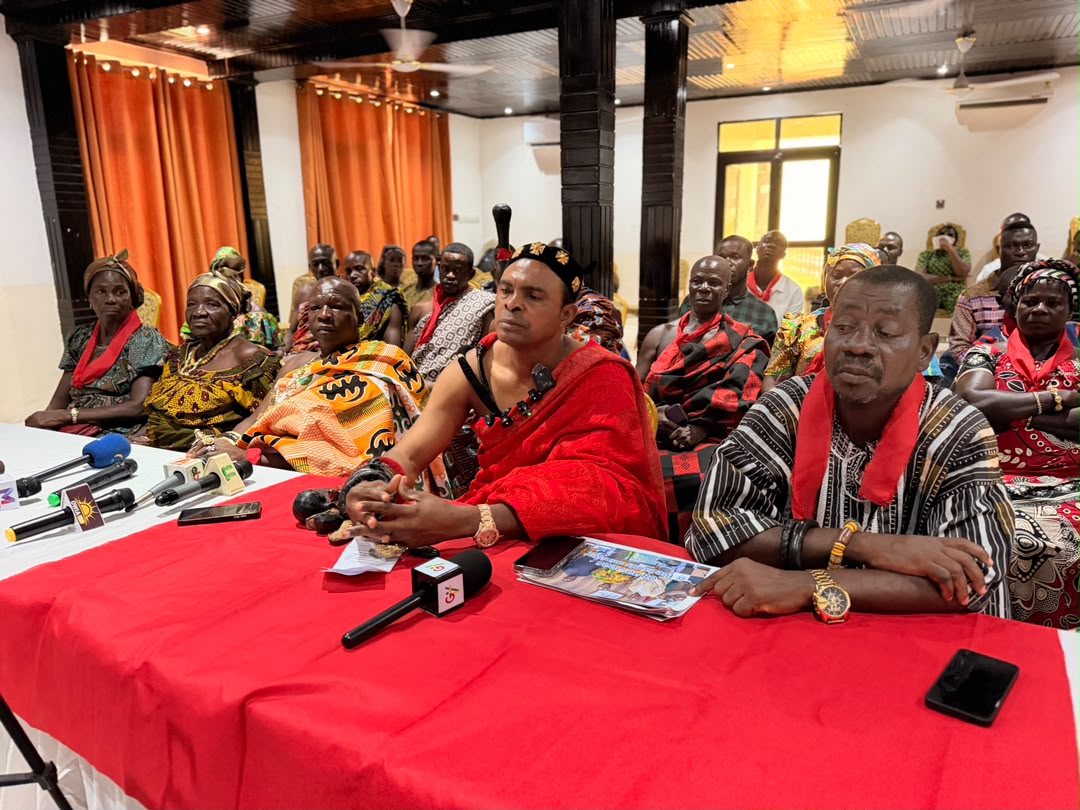
Nana Morkeh Kpanyinli IV, Chief of Ngalekyi, Nana Kwamina Bentum II, Divisional Chief of Salman, and Nana Nwia Etease VI, Chief of Baku and Head of the Gyaase, who led a group of stakeholders at a news conference at Melody Hotel in Takoradi on Friday, November 6, 2026, appealed to the government, political leaders and security agencies to take immediate steps to address the situation.
In an open appeal to the Government of Ghana, the group expressed concern over what it described as recurring interference in traditional affairs, disregard for established traditional authorities and the alleged use of political influence and state institutions to advance competing chieftaincy interests.
It warned that the situation was creating tension, fear and suspicion among residents, with the potential to disrupt peaceful coexistence and frustrate development efforts in the traditional area.
The group insisted that chieftaincy must not become a political battleground, stressing that claims to traditional authority should be determined strictly through recognised customary practices and established legal processes.
It raised concerns about individuals allegedly presenting themselves as paramount chiefs without their status being conclusively established, while relying on political connections and institutional influence to assert authority over traditional jurisdictions.
According to the group, neither political affiliation, financial strength nor access to state power should be used to impose traditional leadership or undermine legitimately constituted traditional authorities.
The chiefs therefore called on government officials and political actors to remain neutral in chieftaincy disputes and avoid actions that could deepen divisions among communities.
They maintained that public office carries the responsibility of protecting peace and upholding the rule of law, not advancing the interests of individuals or competing factions.
The group consequently urged the government to ensure political neutrality, protect legitimate traditional processes, demand accountability, strengthen community security and facilitate impartial mediation.
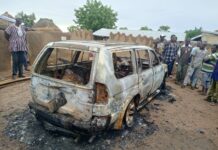
The group also expressed alarm over reports of physical confrontations, including alleged stabbing incidents involving dangerous weapons and the destruction of property, including a traditional palace.
It called on the Ghana Police Service and other security agencies to investigate the reported incidents, protect residents and ensure that anyone found culpable is dealt with in accordance with the law.
It further cautioned security personnel against becoming participants in chieftaincy disputes, emphasising that their mandate is to protect lives and property and maintain public order without favouring any individual or faction.
The group also called for investigations into allegations of misconduct involving public officials and security officers in connection with the disputes, insisting that any wrongdoing established should attract the appropriate disciplinary or legal consequences.
The Regional and National Houses of Chiefs were also urged to pay urgent attention to the situation within their respective constitutional and statutory mandates.
The group called on the institutions to safeguard the integrity of chieftaincy by ensuring that traditional leadership disputes are resolved through established customary and legal procedures rather than self-appointment, intimidation or political influence.
It further appealed to political leaders across party lines to demonstrate restraint and refrain from exploiting traditional disputes for political advantage.
The chiefs stressed that the people of Ellembelle and Eastern Nzema deserved an environment conducive to development, with improved roads, schools, healthcare, employment opportunities and investment, rather than prolonged disputes and insecurity.
They warned that ordinary residents would bear the greatest cost if tensions escalated into sustained violence, adding that meaningful development would be difficult to achieve in an atmosphere of fear, factionalism and uncertainty.
The group concluded with a call for urgent and impartial intervention to prevent further confrontations, protect traditional institutions and restore confidence among residents.
“Eastern Nzema deserves peace. Ellembelle deserves development. Ghana deserves responsible leadership,” the statement declared.
By Ebenezer Atiemo