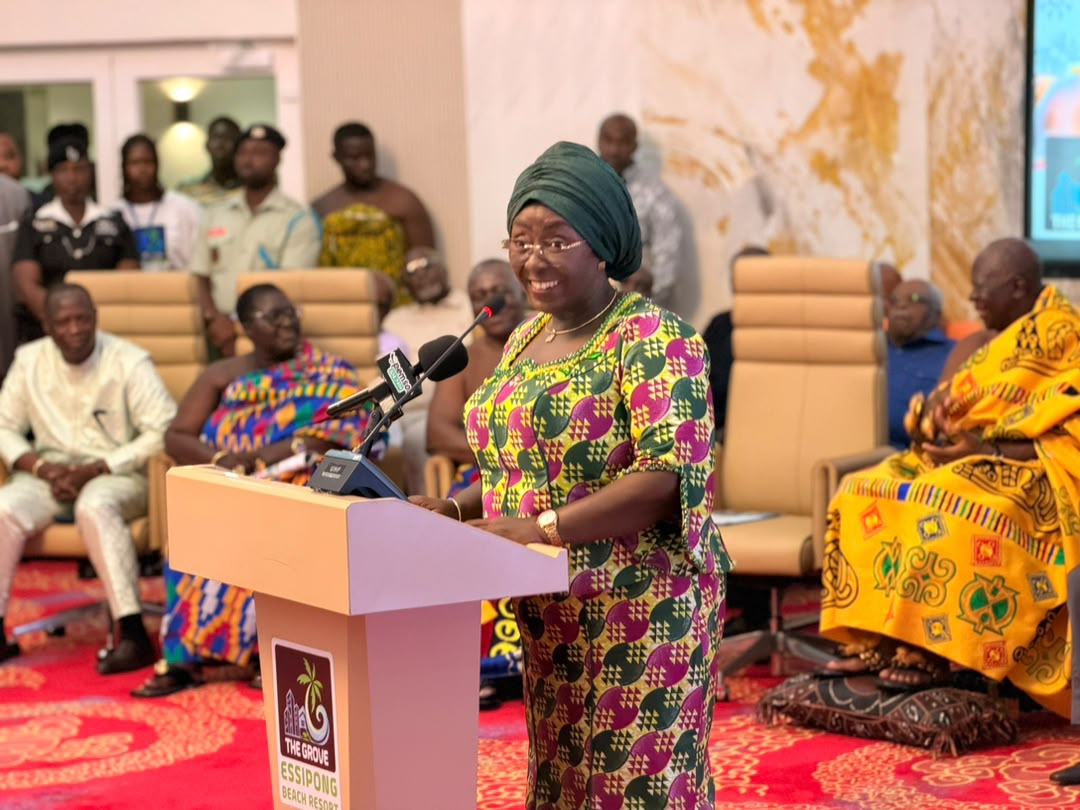

Tourism Minister Abla Dzifa Gomashie has declared Ghana’s growing potential as a medical tourism destination in West Africa, highlighting the country’s expertise in specialised plastic and burns surgery as well as oncology services.
She said Ghana was increasingly positioning itself as a preferred destination for patients within the ECOWAS sub-region seeking specialised medical treatment, an opportunity the country could leverage to attract international visitors and boost its tourism industry.
The Minister made the remarks on Monday, November 16, 2026, at the grand opening of The Groove Essipong Hotel at Essipong in Sekondi in the Western Region.
According to her, medical tourism is among the strategic areas government intends to develop under its broader plan to transform Ghana into a year-round tourism destination.
“If you didn’t know that Ghana is positioned to promote medical tourism, let me tell you that in our ECOWAS community, Ghana is the place to go to if you have unique plastic and burns surgery. Oncology is also one area that Ghana stands tall in the ECOWAS sub-region,” she said.
Her comments come as government seeks to diversify Ghana’s tourism offerings beyond traditional leisure, cultural and heritage attractions to include specialised services capable of attracting visitors from across the continent.
Abla Dzifa Gomashie also highlighted government’s commitment to invest US$1 billion in the tourism, culture and creative arts sector as part of its new economic transformation agenda.
She described the proposed investment, captured in the 2027 Budget Statement under the theme “The New Economy: New Ghana, Jobs and Prosperity,” as a significant commitment to the sector.
According to her, the investment will support tourism infrastructure, destination marketing, conference tourism, medical tourism and improved visitor experiences across the country.
She said the initiative is intended to increase international arrivals, generate foreign exchange, create employment and strengthen Ghana’s cultural and creative industries.
The Minister commended the investors behind The Groove Essipong Hotel, saying the facility demonstrated the role of private sector investment in expanding Ghana’s hospitality infrastructure.
She noted that the Western Region, with its beaches, forests, historical landmarks and vibrant cultural heritage, had enormous potential to attract domestic and international tourists.
She said the new facility would strengthen the region’s capacity to accommodate visitors and support the government’s efforts to expand tourism development beyond Accra and Cape Coast.
The Minister also appealed to hotel operators to prioritise locally manufactured products and incorporate Ghanaian culture into their facilities.
She encouraged management to decorate their hotels with paintings, sculptures, carvings, Kente fabrics and other traditional works that reflect Ghana’s identity.
She further urged hospitality operators to purchase locally manufactured bed linens, towels, furniture, curtains and other hotel supplies, provided they meet international standards.
According to her, excessive reliance on imported hospitality products takes a significant portion of hotel operators’ profits out of the country while limiting opportunities for local manufacturers and artisans.
She said greater patronage of locally produced goods would create markets for Ghanaian businesses, sustain livelihoods and strengthen the country’s manufacturing industry.
Abla Dzifa Gomashie also emphasised the need for improved service delivery, sanitation and professional training within the hospitality industry.
She urged the management of The Groove Essipong Hotel to invest in continuous staff training and work closely with the Ghana Tourism Authority, the Hotel, Catering and Tourism Training Institute (HOTCATT) and other relevant agencies.
She observed that although Ghana remained an attractive destination for international visitors, poor customer service could undermine the country’s tourism potential.
The Minister assured the investors of her support and encouraged management to establish strong partnerships with businesses and service providers in Essipong and surrounding communities.
She also called for responsible environmental practices to protect beaches, forests and water bodies, which remain essential to the country’s tourism experience.
She urged stakeholders to intensify efforts to promote Ghana positively, particularly ahead of the December tourism season.
By Ebenezer Atiemo