
Of course, as an Akora, I have always known the great standing Achimota School occupies in Ghanaian history.
It therefore came as little surprise to me that, in the Republic’s quest to honour its forebears through the redesigned Ghana Cedi Heritage Series, several distinguished Achimotans, including Dr James Kwegyir Aggrey, Dr Kwame Nkrumah, Justice Annie Jiagge and Madam Theodosia Okoh, would feature in the national conversation.
Indeed, with our centenary celebrations approaching in 2027, the recognition of Achimota’s enduring contribution to Ghana is particularly gratifying.
However, whilst this recognition offers me some satisfaction, it does little to assuage my discomfort with what I consider an unfortunate attempt to alter the representation of our collective national history. I have followed the discussions surrounding the new currency and feel compelled to put my thoughts on record.
1. OUR NATIONAL HISTORY DESERVES BETTER
There is nothing objectionable about redesigning our currency or recognising distinguished Ghanaians. My concern is the apparent lack of adequate historical due diligence. The controversy surrounding the portrait of Madam Theodosia Okoh on the GH¢50 note, following Professor Eddie Obeng’s allegation that the image depicts his mother, Dr Letitia Obeng, rather than his aunt, is particularly unfortunate.
Although the Bank of Ghana has disputed this allegation, the controversy itself raises legitimate questions about the verification and consultation processes that preceded the exercise.
A national currency is not an ordinary publication. It is a national symbol. Those whose images appear on it deserve accurate identification and dignified representation. We cannot afford to treat our heritage with such apparent room for avoidable controversy.
2. THE BIG SIX WERE NEVER A POLITICAL DECORATION
Perhaps my greatest concern is the exclusion of five members of the Big Six from the redesigned notes, with Dr Kwame Nkrumah being the only member retained.
The Big Six occupy a special place in our independence struggle. As former Speaker of Parliament, Professor Aaron Mike Oquaye, aptly observed, independence was not a one-man show; it was a collective effort.
That is the point. We cannot celebrate Ghana’s independence while diminishing the collective historical significance of those who stood at the forefront of the nationalist struggle. This is not an argument against recognising other distinguished Ghanaians. They deserve their recognition. But why must the celebration of new national heroes come at the expense of an already established symbol of our independence history?
3. DR J.B. DANQUAH DOES NOT NEED A BANKNOTE TO BE REMEMBERED
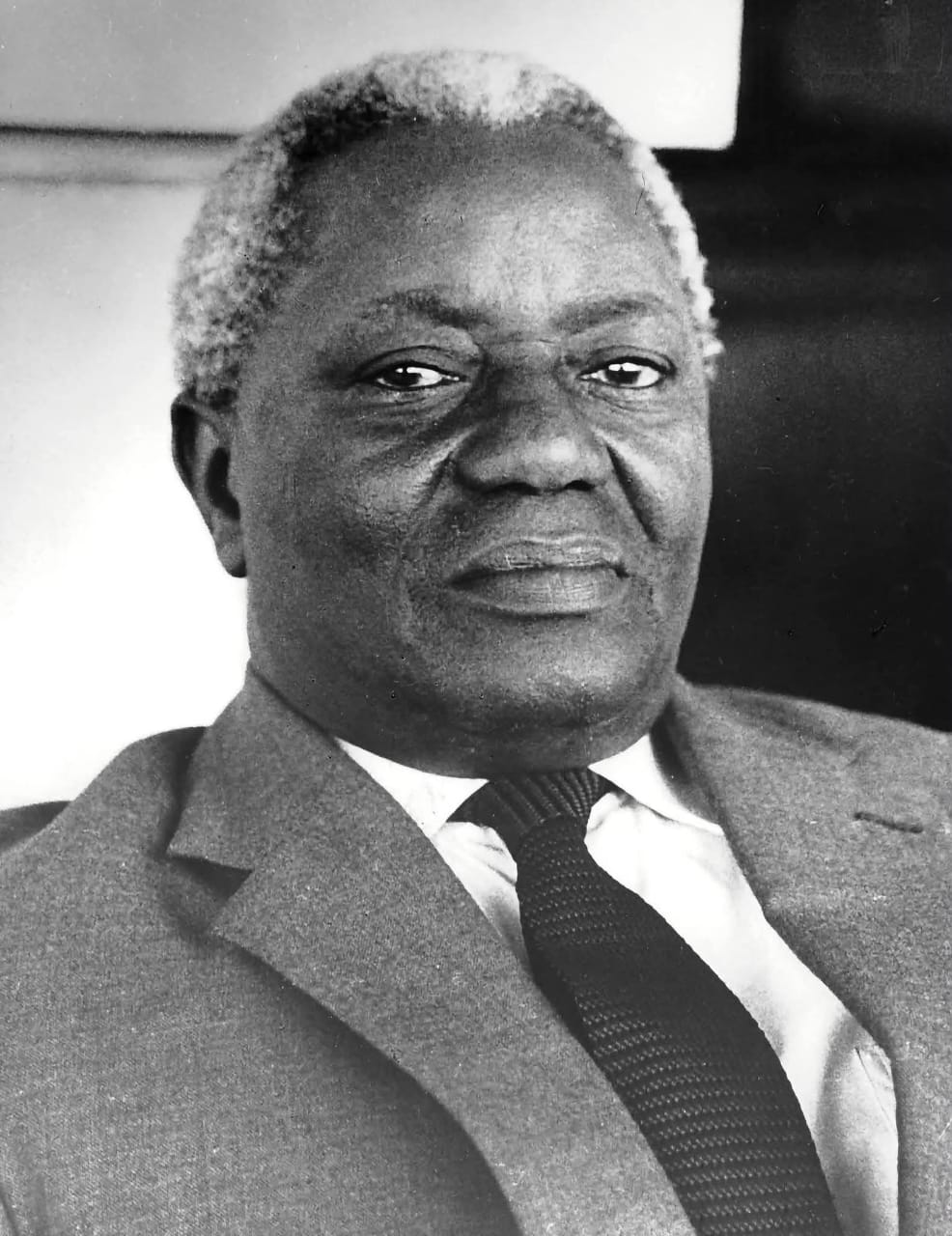
I would not want to single out Dr Joseph Boakye Danquah as though his exclusion alone explains my concerns. That would be unfair to the other members of the Big Six. However, to those fighting for Danquah’s recognition, I have a simple observation: Danquah does not need a standalone portrait on a banknote to establish his place in Ghana’s history.
Consider the name of our country. His historical research and advocacy contributed significantly to the adoption of the name Ghana for the independent Gold Coast. Every time we call ourselves Ghanaians, we invoke a part of his intellectual contribution to our national identity. What greater enduring recognition can we bestow upon a man whose contribution is embedded in the very name of our Republic?
Consider also his contribution to constitutional jurisprudence. In Re Akoto and Seven Others (1961), Danquah appeared as counsel for the appellants, advancing arguments against arbitrary detention and in defence of individual liberty. Today, Chapter Five of the 1992 Constitution guarantees fundamental human rights and freedoms. Danquah’s legal advocacy remains an important part of the constitutional history that informs our understanding of those freedoms.
Thus, whenever a Ghanaian invokes the Constitution to challenge a violation of fundamental rights, we engage with a constitutional tradition to which Danquah made a significant contribution.
Danquah is already woven into the fabric of our national identity. He does not need a banknote, a statue or even the naming of a university to validate his legacy. No selective representation of history can erase what he contributed to Ghana.
4. NATIONAL HEROES MUST NEVER BE SUBJECTED TO PARTISAN CONSIDERATIONS
This is where the conversation must ultimately lead us. Our forebears must be celebrated on the strength of their contributions to Ghana, not according to the political traditions with which they are associated.
If the authorities considered it necessary to redesign our currency as a means of honouring national heroes, what prevented them from undertaking broad consultations with historians, constitutional scholars, traditional authorities, educational institutions and other relevant stakeholders?
The Cedi belongs to all Ghanaians. Its historical narrative must therefore reflect a sufficiently broad national consensus. We cannot afford to make the recognition of our forebears dependent on the political preferences of whichever administration happens to be in office.
5. GHANA WAS NOT BUILT BY ONE PERSON
If my beloved Achimota School, an institution whose history I hold so dearly, could not have been established and developed through the contributions of one individual alone, why should we attempt to tell the story of Ghana as though its independence was the exclusive accomplishment of one person?
Yes, Nkrumah was great, and his contribution to our independence is undeniable. But so were Danquah, Ako-Adjei, Ofori-Atta, Obetsebi-Lamptey and Edward Akufo-Addo. Our history must accommodate all these contributions without diminishing any.
Perhaps, if we are not careful, the next thing we may have to debate is whether the name Ghana itself should be subjected to another round of partisan reconsideration!
I say this with every sense of seriousness: Politics must never be allowed to rewrite our history.
We can honour Nkrumah without diminishing Danquah. We can celebrate Danquah without diminishing Nkrumah. We can recognise Aggrey, Annie Jiagge, Theodosia Okoh and the many other distinguished Ghanaians without pretending that the contributions of previous generations have become less important.
As an Akora looking forward to Achimota’s centenary, I am proud of the recognition accorded our institution and some of its distinguished alumni. But as a Ghanaian, I remain concerned that our national identity must never be sacrificed on the altar of partisan expediency.
Our forebears deserve better. Our history deserves better. Ghana deserves better.
May God bless our homeland Ghana.
By Gideon Kwasi Annor