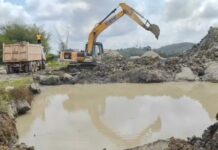

The Public Utilities Regulatory Commission (PURC) has urged authorities in the Bono Region and neighbouring areas to take urgent action against illegal mining along the Tano River to protect the region’s water supply.
The Commission warned that continued pollution of the river could increase the cost of treating water and undermine Ghana Water Limited’s (GWL) ability to meet the growing demand for potable water.
PURC Executive Secretary, Dr Shafic Suleman, raised the concern during an inspection of the Abesim Water Treatment Plant in the Sunyani Municipality as part of a two-day tour of utility service providers in the Bono Region.
He called on regional ministers in communities along the Tano River’s catchment to coordinate efforts to curb illegal mining before the pollution worsens.
Dr Suleman said the early intervention was necessary to prevent the region from experiencing the severe water contamination challenges recorded in other parts of the country.
He also appealed to traditional authorities, local government officials, community leaders and the media to support efforts to protect the river.
He urged the regional ministers in the affected areas to begin discussions on measures to address illegal mining and its implications for water quality.
“We have observed a creeping problem with galamsey that has been occurring at the upper part of the Tano River. We are therefore encouraging the regional minister and his counterparts in neighbouring regions to begin conversations on how best they can mitigate the influx of galamsey and its implications for the quality of water for the good people of Bono,” he said.
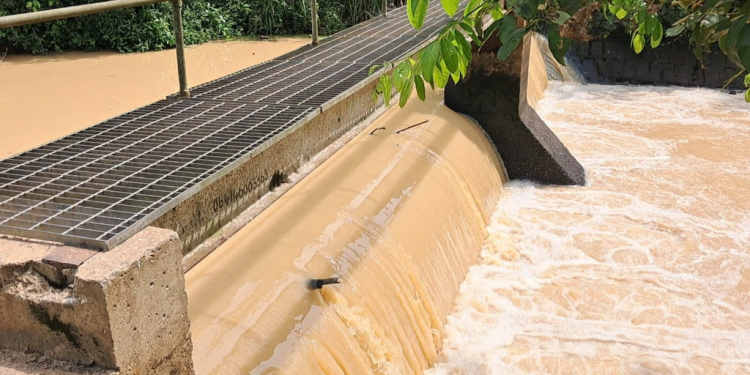
At the Abesim treatment plant, Dr Suleman disclosed that water quality monitoring over the past three months had consistently recorded high turbidity levels, an indication of increasing difficulty in treating water from the river.
Although the facility can currently manage the contamination, he warned that further deterioration could require more treatment chemicals, raising operational costs and potentially reducing production.
The concerns come amid an existing water supply deficit in the region. The Abesim plant produces about 600,000 gallons of potable water daily, against an estimated demand of two million gallons.
Dr Suleman said expanding and upgrading the facility would be necessary to increase production and meet the water needs of residents in the Bono and Ahafo regions.
He therefore called for government investment to improve the plant’s capacity while urging stakeholders to protect the Tano River, which remains an important source of water for the region.