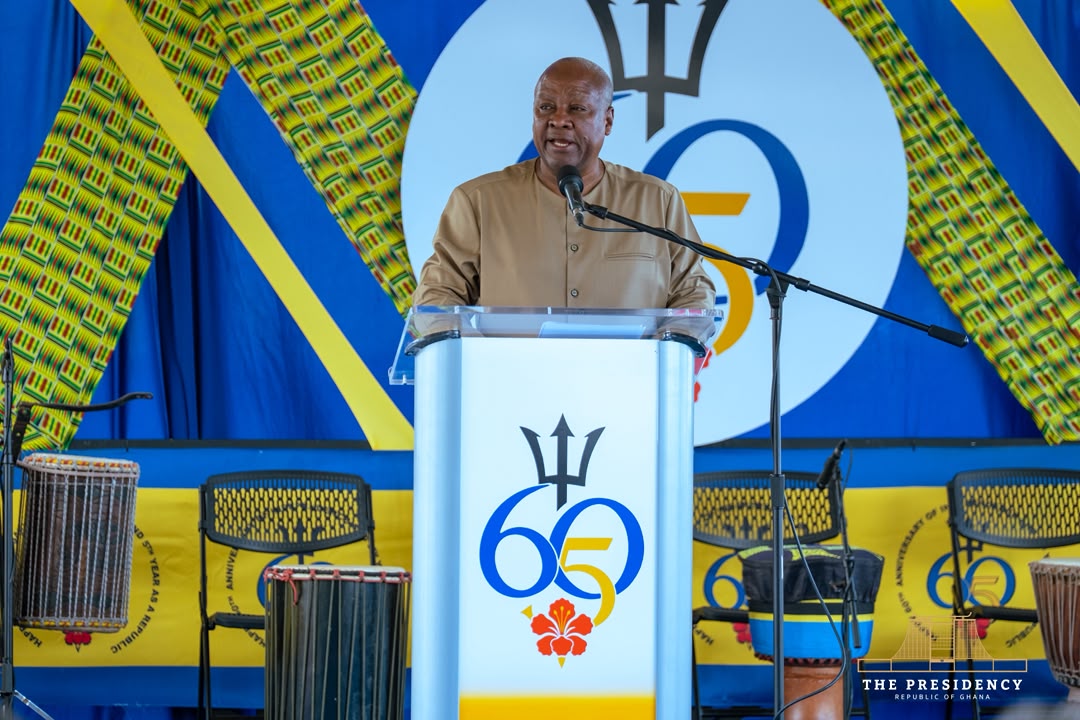

President John Dramani Mahama has warned that Africans cannot progress if divisions and intolerance continue to undermine their shared identity, citing the tragic death of young Ghanaian Javits Frimpong in the United States.
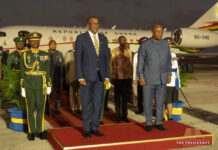
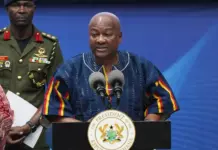
Addressing a Joint Sitting of the Parliament of Barbados on Friday, November 27, 2026, during his State Visit, Mahama said the pursuit of reparatory justice must be matched by genuine solidarity, mutual respect, and a firm commitment to protecting one another.
“Incidents such as the tragic death of our young compatriot Javits Frimpong in the United States remind us that we cannot progress if divisions and intolerance undermine our shared identity,” he said.
“We cannot demand dignity from the world while denying it to one another.”
Mahama said every African life matters, and every individual deserves dignity and respect.
“Our shared ancestry and enduring kinship unite us as brothers and sisters. However, prejudice, discrimination, or violence within our community compels us to confront the traumatic histories we carry,” he said.
“Our pursuit of reparatory justice must be matched by genuine solidarity, mutual respect, and a firm commitment to protecting one another, ensuring that no African ever feels like a stranger among their own people.”
The President made the remarks as part of a broader address on Pan-African solidarity, ancestry, and reparatory justice, in which he called on Ghana and Barbados to face the future together with shared ownership of their ancestry and heritage.
Quoting Peter Tosh’s 1977 song “African” — “Don’t care where you come from. As long as you’re a black man, you’re an African” — Mahama said: “We are all Africans, and true brotherhood requires the moral courage to continue seeking justice for our ancestors.”
He said the pursuit of reparatory justice is not about retribution, but about upholding human dignity, affirming historical truth, ensuring accountability, advancing reconciliation and healing, and asserting the rightful place of the African race in the world.
Mahama cited the adoption of United Nations General Assembly resolution A/RES/80/250, which he led, declaring the trafficking and chattel enslavement of Africans as the gravest crime against humanity, and pointed to collaboration through the CARICOM revised Ten-Point Plan and “The Accra Next Steps Commitments on Reparatory Justice” agreed in Accra in June.
He thanked Barbados for its solidarity and support in advancing the international reparatory justice agenda, and praised Prime Minister Mia Amor Mottley for her steadfast leadership and enduring partnership with Ghana.
“Barbados’ longstanding advocacy through successive administrations and regional institutions demonstrates a principled commitment to confronting historical injustice and securing a just future for generations to come,” he said.
Mahama also used the address to outline a transformative era in Ghana-Barbados relations — from direct air links, with travel time cut from 23 hours to seven hours on charter flights, to over 380 Ghanaian nurses serving in Bridgetown since 2022, streamlined citizenship and visa-waiver frameworks for Barbadians, and plans to link AfCFTA and CARICOM as one economic space.
He pledged that as Ghana prepares to assume the Chairmanship of the African Union in 2027, making the African Diaspora as the Sixth Region operational will be a central priority.
Closing with the words of Barbados’ National Anthem — “We write our names on history’s page with expectations great, Strict guardians of our heritage, Firm craftsmen of our fate” — Mahama said: “May Barbados continue to distinguish itself in history. May the Republic of Ghana and Barbados move forward together in lasting brotherhood.”