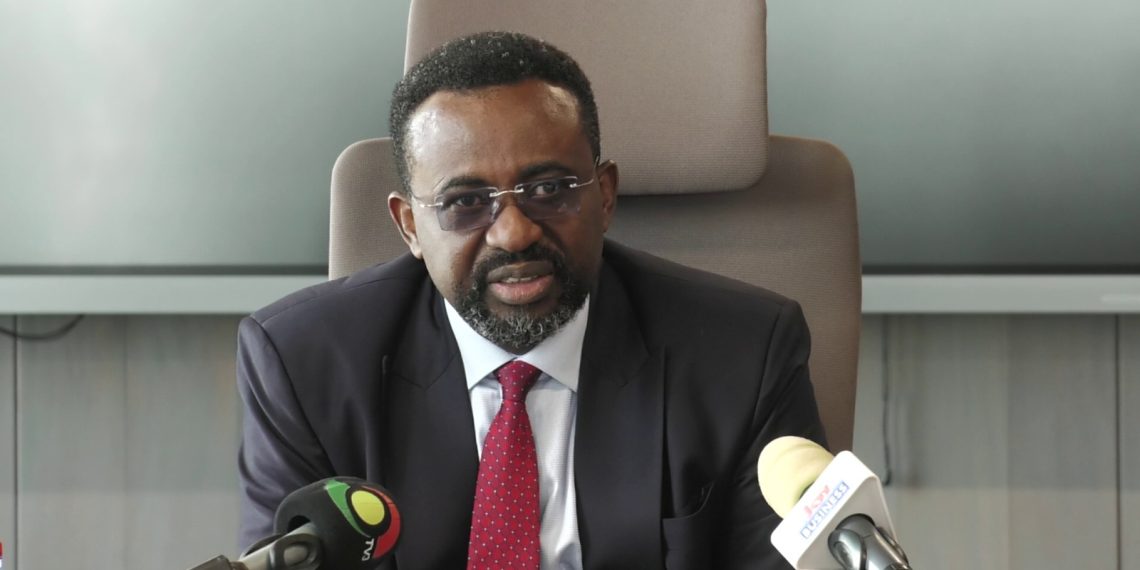

Renowned economist Professor Peter Quartey is calling on the Bank of Ghana to consider a modest cut to its key policy rate, ahead of the Monetary Policy Committee (MPC)’s next decision later this month.
Prof. Quartey, who heads the Institute of Statistical, Social and Economic Research (ISSER), says the sustained decline in inflation offers room for moderate monetary easing to stimulate private sector credit growth.
Ghana’s headline inflation dropped to 13.7% in June 2025 — its sixth straight monthly decline — down sharply from 23.8% recorded in December 2024.
“The downward trend in inflation and improved expectations suggest that a marginal policy rate reduction could help ease financing costs and support business recovery,” he said on 3Business focus on July 21.
The central bank’s policy rate currently stands at 28%. The MPC is scheduled to begin its next three-day meeting on Monday, 28 July, with the rate decision expected later.

The committee will weigh inflation data, currency performance, and economic growth signals in determining the future direction of monetary policy.
Meanwhile, Prof Quartey has asserted that, the government’s recent imposition of a GHC1 per-litre fuel levy points to significant shortfalls in domestic revenue mobilisation.
The introduction of the GHS1 energy sector levy reflects deeper revenue challenges facing government finances.
Speaking on Business Focus on July 21, Prof. Quartey said the introduction of the levy is a direct response to mounting fiscal pressure. “Things are not looking good on the revenue side,” he said, adding that the measure is symptomatic of broader budgetary strain.
He emphasised the need for the government to demonstrate how it intends to reverse the revenue slump and meet its fiscal targets.
“I expect to see the performance of revenue numbers in the upcoming mid-year budget review,” he noted.
The GHC1 levy, introduced as part of measures to stabilise the energy sector and raise funds for key infrastructure, has stirred debate among analysts and the public alike, with concerns about its potential impact on inflation and cost of living.
Government is expected to present the mid-year budget to Parliament on July 24th 2025, providing clarity on revenue performance and spending priorities.
By Coffie Mawuedem Noel