
With Africa bearing 24% of the global disease burden but having only 3% of the world’s health professionals, the continent’s health challenges are stark.
However, a growing number of young Africans are rising to the task, leading advocacy for the continent’s health sovereignty.
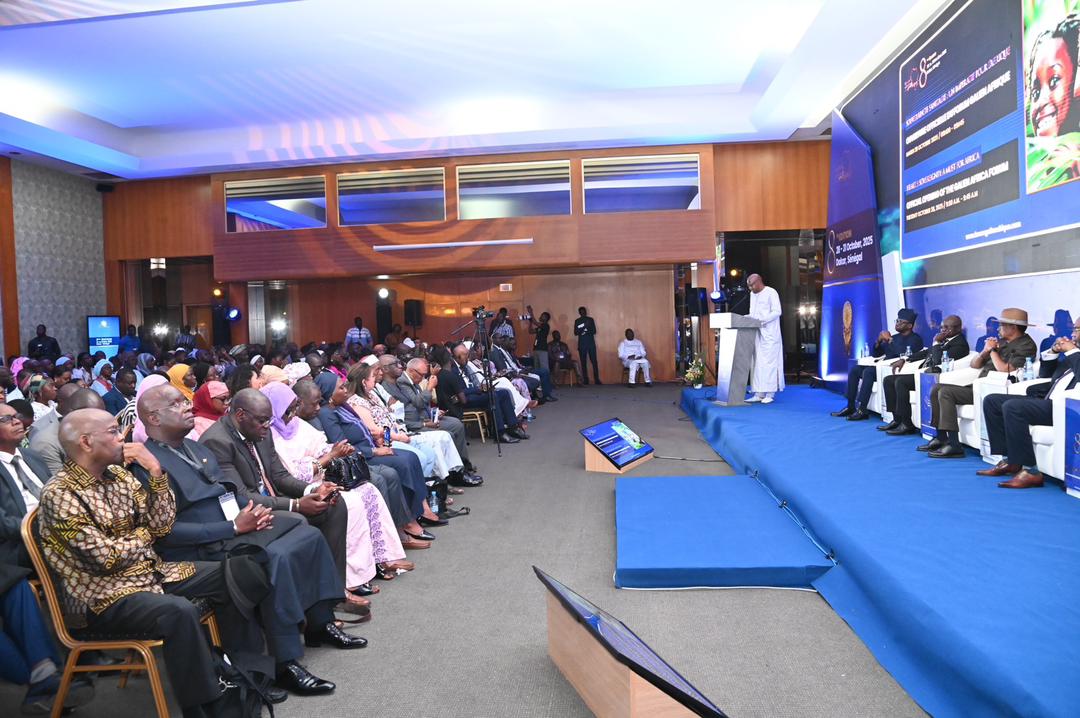
The 8th Galien Africa Forum, held in Dakar, Senegal, brought together over 2,500 stakeholders in the health sector to rethink health leadership and prepare a generation capable of defending Africa’s health sovereignty.
The conference, themed “Rethinking Health Leadership: Preparing a Generation Capable of Defending Africa’s Health Sovereignty in a Technological and Globalized World,” aimed to re-examine Africa’s contribution to global health leadership and reaffirm the continent’s commitment to asserting control over its own health priorities.
It provided a platform for scientists, health professionals, policymakers, development partners, and students to share knowledge, expertise, and best practices in promoting health sovereignty.
With its rich diversity of perspectives and experiences, the gathering marked a significant step towards redefining Africa’s health landscape and asserting its place in global health leadership.

Prof. Marie Coll Seck President of Galien Africa, in her address, emphasized Africa’s potential as a driving force for innovation, calling for the scaling up of local production and promotion of African health products. She urged stakeholders to mobilize resources and expertise toward achieving true health sovereignty.

Senegal’s Minister of Health, Dr. Ibrahima Sy, officially opened the forum, stressing that health sovereignty is not just a slogan but a collective responsibility.

“We must work together to ensure that Africa’s health needs are met by Africans, for Africans,” he emphasized.
As Africa continues to grapple with health challenges, the message from the 8th Galien Africa Forum is clear: the continent’s health future is in its own hands.
And by promoting local production, innovation, and collective responsibility, Africa can take charge of its health priorities and assert its sovereignty in the global health arena.