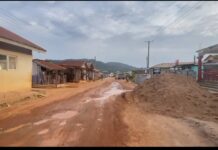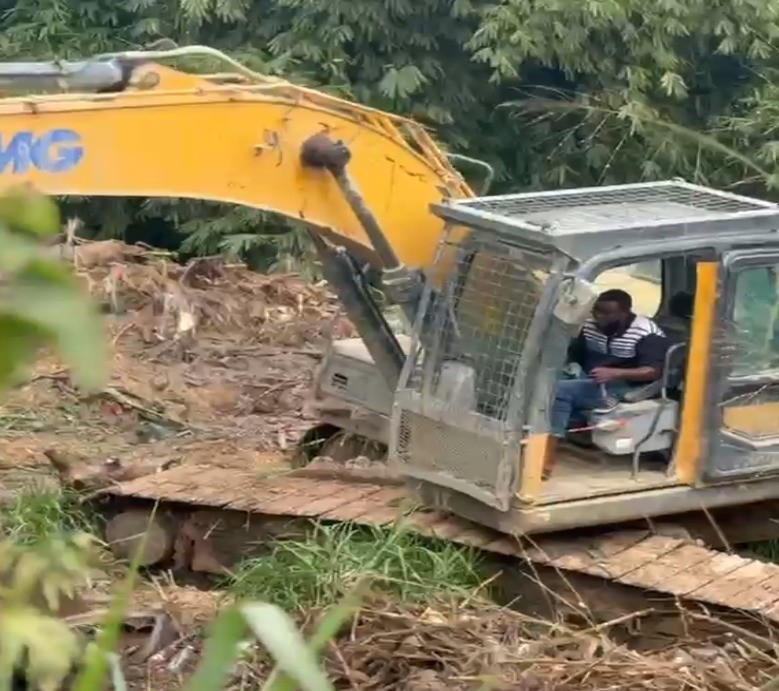

The Atwima Nwabiagya Municipal Assembly has demolished a Church Building that was obstructing a major waterway at Abuakwa DKC in the Ashanti Region as part of renewed efforts to curb flooding in the area.
The action follows recent floods across the country, which displaced residents and destroyed property.
Abuakwa DKC is one of the areas experiencing flooding in recent years due to the infrastructural development on waterways.
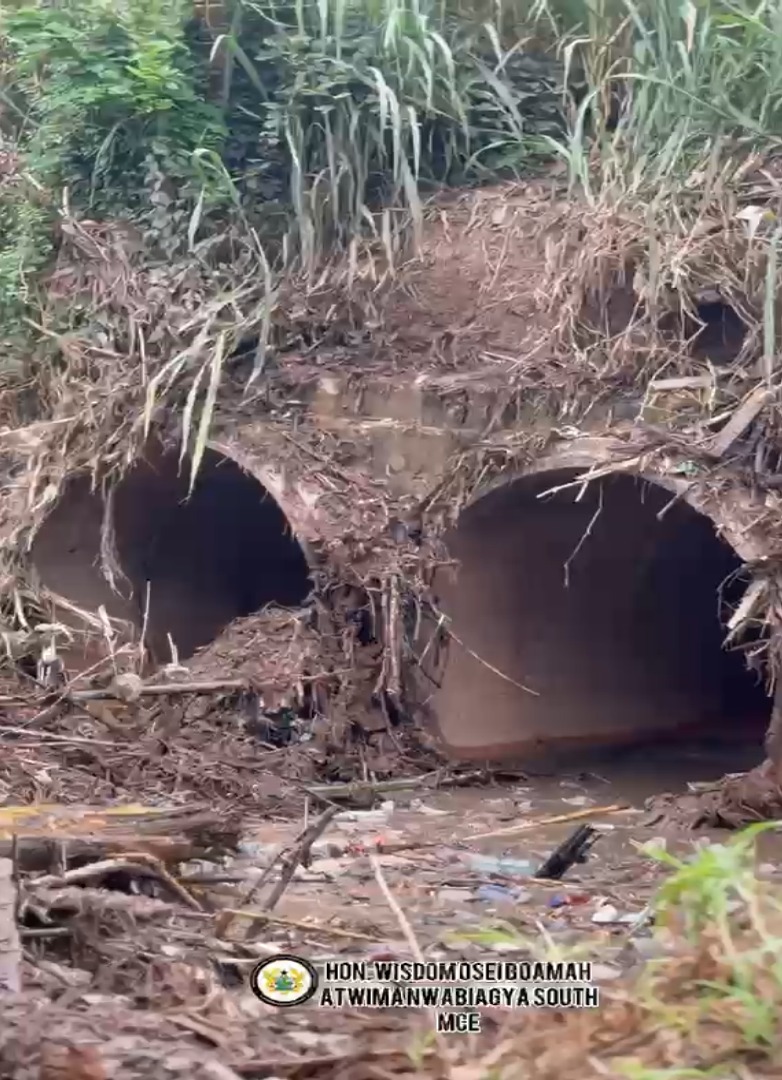
Sources say since 2025, the Assembly has desilted the drains in DKC on three occasions but residents still experience flooding.
The demolition was necessary to restore the natural flow of water and reduce flood risks during the rainy season.
Residents had long complained that the building blocked the natural watercourse ,whenever heavy rains occurred.
The exercise forms part of broader measures by the Assembly to clear waterways and improve drainage systems across flood-prone areas.
Authorities have repeatedly warned against putting up structures on waterways and in drainage channels, stressing that such developments endanger lives and property.
Speaking on Ghanakoma morning show on Akoma 87.9 FM in Kumasi with Sir John, on Monday, July 6,2026, the Atwima Nwabiagya Municipal Chief Executive, Wisdom Osei Boamah, cautioned Ghanaians against building on waterways, warning that the country’s recurring flood disasters will worsen if the practice continues.
He attributed the increasing incidence of flooding, particularly in the Ashanti Region, to indiscriminate construction on watercourses and poor environmental practices.
Mr Boamah stressed that clearing choked drains alone would not eliminate flooding unless residents changed their attitudes towards sanitation and land use.
He urged the public to keep their surroundings clean, avoid dumping waste into drains, and ensure all building projects comply with planning regulations.
He also advised prospective developers to obtain the necessary permits and engage qualified professionals to confirm that proposed sites are not located on waterways or flood-prone areas.
By Benjamin Aidoo