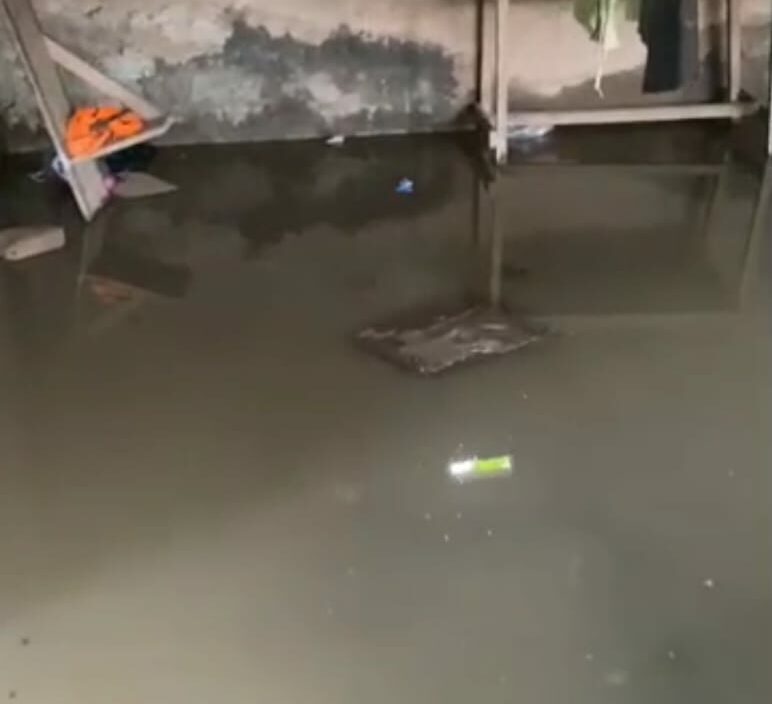

The torrential rains that lashed Atonsu Kuwait and other parts of Asokwa Municipality in Ashanti Region on Sunday, October 12, 2025, brought more than just floodwaters.
They exposed, yet again, the deep cracks in urban infrastructure and the dangerous cost of civic neglect.
Homes were destroyed, livelihoods disrupted, and an entire community brought to a standstill. These events must no longer be treated as seasonal inconveniences. Each downpour is a warning that we are inching toward a disaster we can no longer ignore.

Eyewitness accounts from affected communities point to a grim reality: drains choked with plastic, household waste, and debris.
Speaking on Ghanakoma morning show on Akoma 87.9FM in Kumasi with Sir John, on Monday, October 13,2025, an opinion leader, Sampson Donkor (Brother Yaw), said these weren’t just natural floods, they were the result of years of environmental mismanagement.

“In Atonsu Kuwait today, flooding is less a natural disaster and more a man-made calamity. Until we accept this uncomfortable truth, history will continue to repeat itself,” he said.
He believes that we are at a pivotal moment. Ghana must shift from reactive measures to proactive, long-term strategies. This crisis demands bold leadership, honest reflection, and united action.

He called on the Ministry of Works and Housing, MMDAs, NADMO, and all relevant stakeholders to adopt a multi-sectoral approach that includes:
Upgrading drainage systems to meet current and future urban demands and enforcing building codes and land-use regulations in flood-prone zones.
The Asokwa Municipal NADMO officer, Issaka Ramani, consoled the affected families and reiterated their commitment to support them.
He said the assembly is planning to desilt major drains in the area to prevent flooding in the city.
“This is not just the responsibility of the government, it is a shared national duty. From our waste disposal habits to our civic engagement, every Ghanaian has a role to play in building a resilient future,” he stated.