
Twelve years ago, a groundbreaking Human Papilloma Virus pilot vaccination campaign was launched in Ghana, to protect young girls from cervical cancer.
From dispelling myths about infertility to witnessing the long-term impact on their health, these young women are living testaments to the power of vaccination.
On September 5, 2025 Ghana would roll out the human papilloma virus (HPV) nationwide vaccination campaign to protect young girls 9 to 14 years against the virus that makes them vulnerable to cervical cancer infection.

In 2013, the country held a pilot vaccination campaign of the vaccine in 4 districts of the country. Two in the Northern Region and two in the Greater Accra Region. Tamale, Sagnerigu, Shai-Osudoku and Ningo-Prampram are the four.
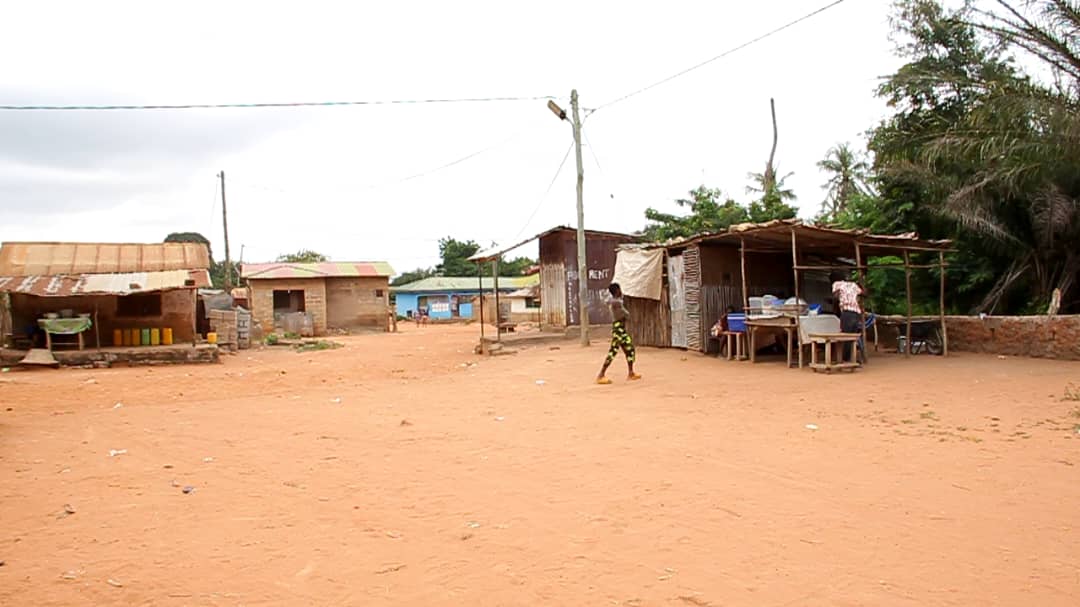
Ayenya is one of the communities in the Shai-Osudoku District that benefitted from the campaign.
Nurse Grace Love Adjeson was one of the public health nurses who took part in the 2013 HPV pilot vaccination campaign.
As she walks us into the community of Ayenya, she reminisced the moment. She has worked at the Community-based Health Planning and Services (CHPS) compound in the last 15 years.
The HPV pilot vaccination campaign which was conducted in two phases from 2013 to 2015 targeted approximately 6,000 (six thousand) young girls 10 years old in each phase.
According to Nurse Grace Love, dealing with the misconception was the major hurdle.

‘‘They found it difficult to understand why it was a particular class of girls who were taking it. So, they ended up saying it’s a family planning method we are giving them. And some were even saying its either we are preventing them from giving birth now or later in the future. One of the comments was that the government has realized we are too many, so it was a way to reduce the population through the girls,’’ she said.
Years down the line, she still keeps a close tab on some of the beneficiaries.
‘‘Because of the misconception, I did a vivid follow-up on the girls to ensure they don’t have any side effects. Nobody fell ill and twelve years down the line, the girls are all fine and some have even given birth, so they have come to accept that the HPV vaccine is good,” Grace Love noted.

Portia Kwame is among the young girls who took the vaccine during the pilot campaign.
With excitement, she tells me it was a battle for her family before they eventually allowed her to take the vaccine.
‘‘At the time, I remember everyone was against it. The whole community and even my family so I was scared but I am grateful that I took it. Some of my friends also took it and we are all fine. I am happy because the vaccine has been proven to be effective, and it protects us against cervical cancer’’. She said.
Twenty-two-year-old Mary, another beneficiary of the vaccine, is now a mother.

She tells me her situation compelled the community members to dispel the myth that the vaccine will cause infertility among young girls.
‘‘Now that I have delivered a baby, they don’t talk anymore. Initially they thought it was to cause infertility in us. I am healthy and my baby is also healthy.’’
For residents of Ayenya, they had lost count of the time. A moment of confusion in their lives that would remain imprinted forever.
Aunty Rosina is a parent who allowed her child to take the vaccine in the midst of the confusion.

“When they came, everyone was against it at the time. A lot was being said, I have six children, so I forced one of my children to take the vaccine. Today, she has given birth to three children, so I know the vaccine is good. If it comes again, I will let the rest take it.’’ Mary stated.
Currently, data suggests that an estimated 2,797 new cases of cervical cancer are diagnosed annually, with around 1,699 deaths attributed to the disease each year in Ghana.
This means there is a high prevalence of the disease in the country hence the need for the initiative to ensure young girls are protected before they become sexually active.
As a public health nurse, Grace Love feels a sense of pride seeing the impact of the campaign on the lives of these young girls under her watch.
The opportunity has presented itself again. But as to whether parents will take advantage to get their girl-children protected against the HP Virus at no cost, time will tell.