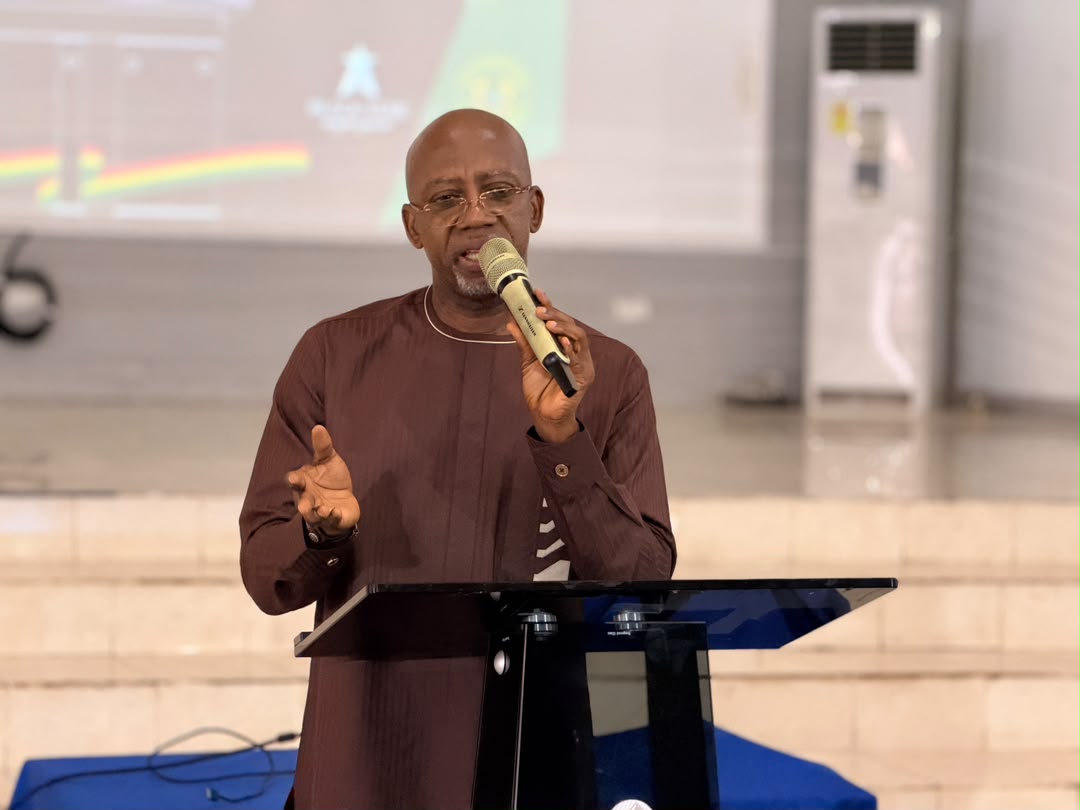

The Black Star Experience must move beyond its association with Ghanaian football and become a shared national identity rooted in the country’s culture, creativity, heritage and way of life, Head Coordinator and Presidential Staffer for the Black Star Experience Secretariat, Rex Owusu Marfo, has said.
He said the initiative would achieve its purpose only when Ghanaians understood, embraced and actively participated in it.
Mr. Owusu Marfo made the call at a stakeholders’ engagement in Takoradi on September 30.
It was on the theme “Enhancing National Understanding and Ownership of the Black Star Experience.”
“The vision is far bigger than any one person, but it belongs to the people of Ghana. It belongs to you.”
He explained that the Secretariat operates from the Office of the President at Jubilee House and works with relevant ministries and agencies, including the Ministry of Tourism, Culture and Creative Arts.
Mr. Owusu Marfo stressed that the Black Star Experience is not intended to replace the Year of Return, Beyond the Return or PANAFEST, but to strengthen and connect such programmes to a broader national story.
“We are not here to destroy foundations; we are here to build upon them.”
He said the initiative forms part of the broader Reset agenda and seeks to influence national attitudes, habits and consciousness.
The Black Star Experience is built around seven pillars: Cinema, Audio, Cuisine, Aesthetics, Style, Literature and Heritage.
The pillars encompass Ghanaian film and storytelling, music and comedy, food, arts and design, fashion, literature, history and cultural heritage.
Mr. Owusu Marfo said promoting Ghanaian cuisine should be part of the effort to strengthen the country’s cultural identity, questioning why international foods have achieved global recognition while local dishes such as kelewele and gobɛ remain less prominent internationally.
He said the seven pillars provide a framework for developing a distinctive Ghanaian experience and expanding the country’s participation in the global creative and cultural economy.
Mr. Owusu Marfo said the Black Star ultimately represents every Ghanaian who contributes to national development.
“The Black Star is you. The Black Star is me. The Black Star is every Ghanaian who refuses to settle for less.”
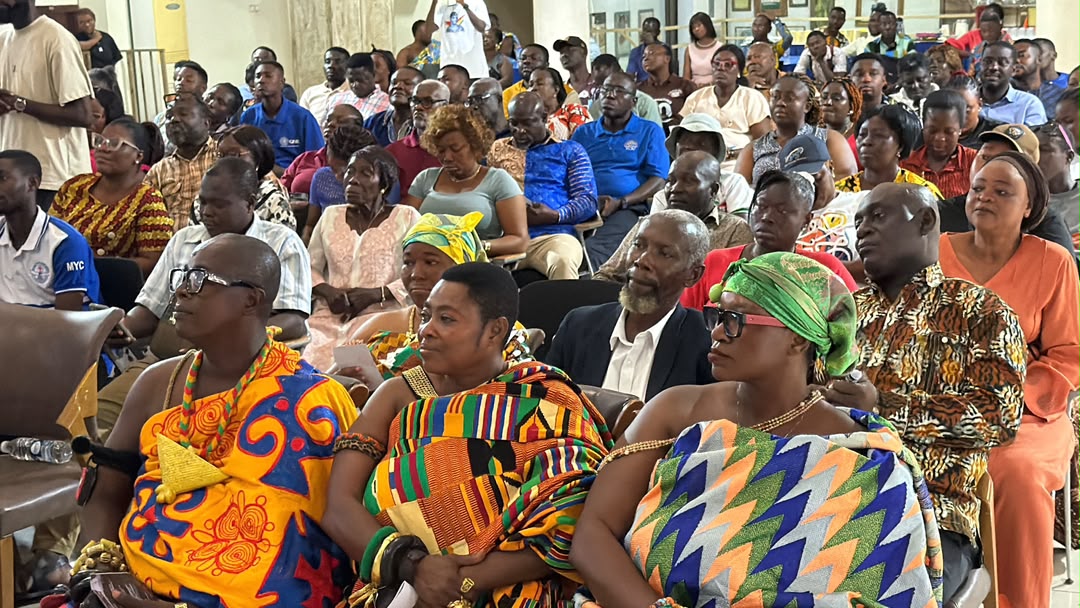
He appealed to Regional Ministers, MPs and MMDCEs to support the initiative through community engagement, advocacy and investment in festivals, tourism sites, education and creative activities.
Western Regional Minister Joseph Nelson said the initiative presents an opportunity for the region to showcase its cultural, tourism and creative assets.
He cited the region’s traditional institutions, festivals, music, cuisine, crafts, coastline, historical sites and mining and fishing heritage, as well as its emerging creative talent.
Mr. Nelson cited Takoradi Festival (Taadi Fest) as one existing initiative that could contribute to the wider Black Star Experience, noting its inclusion in the Ghana Tourism Authority’s national tourism calendar.
He urged stakeholders to strengthen existing programmes while ensuring communities benefit from the promotion of their cultural and tourism assets.
The Minister also called for well-maintained destinations, quality hospitality, accurate information and respect for cultural heritage.
“Above all, the experience must remain authentic.”
He said young musicians, filmmakers, designers, fashion entrepreneurs, writers, chefs, artisans and digital creators could play a major role in presenting Ghanaian stories to contemporary audiences.
The Western Regional Coordinating Council, he said, would work with the Black Star Experience Secretariat, MMDAs, traditional authorities, businesses and communities to identify and develop assets that can contribute to the national platform.
“For that story to resonate, Ghanaians must first understand, value and own it.”
By Ebenezer Atiemo